
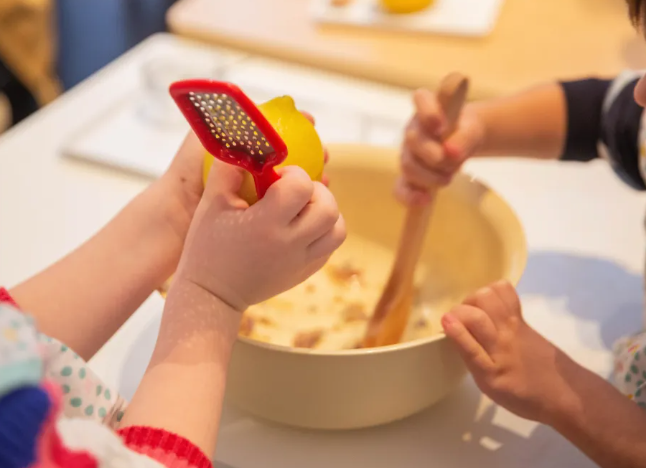
Montessori baking activities provide preschoolers with hands-on experiences that develop their motor skills while cultivating a love for cooking. Engaging in baking can also instill the principles of measuring, mixing, and following instructions—essential life skills that promote independence and critical thinking.
1. Why Baking is a Key Montessori Activity
Baking is more than just a fun way to create tasty treats; it offers a tactile learning experience that aligns perfectly with the Montessori method. Children learn through active engagement, and baking provides opportunities for sensory exploration. When preschoolers mix, knead, and shape dough, they not only develop fine motor skills but also enhance their cognitive abilities through observation and hands-on problem-solving.
Additionally, baking fosters independence. The clear steps involved in a recipe allow children to take ownership of their tasks, promoting self-confidence and a sense of accomplishment each time they create a delicious treat. As they follow recipes, kids learn to understand sequencing, a crucial cognitive concept that will benefit them in various areas beyond the kitchen.
-
- Introduce simple recipes with fewer ingredients.
-
- Encourage kids to measure ingredients themselves.
-
- Let them choose flavors or ingredients to customize their baked goods.
-
- Use child-friendly cooking tools to promote safety.
2. Essential Baking Tools for Preschoolers
Having the right tools can make a world of difference in the kitchen. Preschoolers will benefit from using utensils that are specially designed for small hands. A set of mixing bowls, measuring cups, and spoons that are lightweight and colorful can make the experience more enjoyable for the child and simpler for the adult assisting them.
In addition to standard baking tools, consider investing in durable, non-slip baking mats, and silicone molds. These not only make the cleanup easier but also give children a sense of agency as they learn to manage their work environment. Safety tools are also vital; child-safe knives or kitchen gadgets can help avoid accidents while instilling trust in their capabilities.
-
- Choose colorful, lightweight utensils.
-
- Invest in non-slip mats for stability.
-
- Opt for child-safe kitchen tools.
-
- Include bowls that are easy to hold and mix in.
3. Simple and Fun Recipes to Try
Starting with simple recipes is essential for preschoolers. Opt for no-bake treats or easy batters that require minimal steps. For example, creating no-bake cookies using oats, peanut butter, and honey can be an exciting way for children to engage with the process without the worry of oven safety. This allows them to focus on measuring, mixing, and forming shapes while enjoying the immediate gratification of their creations.
Another fun recipe for preschoolers is making mini pizzas. Children can spread sauce, sprinkle cheese, and add their favorite toppings, all while practicing their fine motor skills. This not only reinforces sequential thinking but also allows for creativity in choosing ingredients, making the experience dynamic and enjoyable.
-
- Try no-bake cookie recipes for immediate gratification.
-
- Consider making mini pizzas for a hands-on approach.
-
- Encourage kids to invent their own flavor combinations.
-
- Create a themed baking day, like holiday cookies or fruit tarts.
4. Incorporating Learning Through Baking
Baking can serve as a multifaceted educational opportunity. Incorporate counting by asking the child to count ingredients as they add them to the mixture. You can also introduce concepts such as temperature by discussing how different ovens work, or time by using a timer for baking cookies or cakes. This turns an ordinary baking session into an interactive learning environment.
Moreover, you can pair baking sessions with storytelling or history. For example, sharing the origins of certain baked goods from different cultures encourages curiosity about the world while enriching vocabulary. Linking recipes to stories enhances comprehension, making learning both engaging and memorable.
-
- Use counting during measuring for math skills.
-
- Discuss temperatures and timers for a science lesson.
-
- Share stories related to the recipe’s origin.
-
- Create a baking-themed book club, where stories relate to what you’re baking.
Overall, Montessori baking activities for preschoolers are an engaging way to encourage learning through hands-on experiences. With the right tools, simple recipes, and an educational approach, you can create a kitchen environment that promotes growth in various developmental areas. Start today by choosing a simple recipe and enjoy the joy of baking together!