
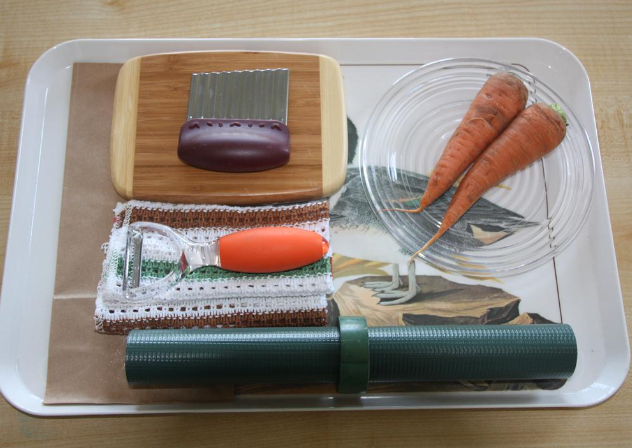
Incorporating food preparation activities into a Montessori classroom can foster independence, fine motor skills, and a love for healthy eating among children. These hands-on activities not only make cooking fun but also provide opportunities for practical learning. Here’s a closer look at some engaging Montessori food preparation activities that you can implement.
1. Washing Fruits and Vegetables
Washing fruits and vegetables is a simple yet effective activity that teaches children about hygiene and cleanliness in food preparation. Children can learn to handle various fruits and vegetables safely, developing their fine motor skills as they wash and rinse. This activity can also be a lesson about where food comes from and the importance of washing fresh produce to remove dirt and pesticides.
Additionally, you can encourage children to identify different types of fruits and vegetables during this activity. You might create a small chart with pictures and names of the produce involved. This can help expand their vocabulary and food knowledge while also reinforcing the habit of rinsing food before consumption.
-
- Gather a variety of fruits and vegetables.
-
- Provide a bowl of clean water for rinsing.
-
- Use a sponge or soft cloth for cleaning.
-
- Set aside a drying area with a towel.
-
- Encourage children to discuss what they see and learn about each item.
2. Measuring Ingredients
Measuring ingredients is another engaging Montessori food preparation activity that enhances math skills through practical application. Children can learn about volume and weight by using measuring cups, spoons, and scales in a fun and interactive way. You might introduce them to recipes that require precise measurements, allowing them to understand the concept of measurement in cooking.
This activity can also serve as an opportunity to discuss different units of measurement (like teaspoons versus tablespoons) and conversion. By involving children in the measuring process, you help them develop their understanding of proportions and quantities while building confidence in their ability to contribute to meal preparation.
-
- Choose simple recipes that involve measuring.
-
- Provide a variety of measuring tools in different sizes.
-
- Encourage teamwork by having children work in pairs.
-
- Check measurements together to reinforce learning.
-
- Discuss the importance of accuracy in cooking.
3. Preparing Simple Snacks
Preparing simple snacks empowers children to take initiative and make healthy choices. Activities like assembling a fruit salad, making sandwiches, or creating yogurt parfaits can be excellent starting points for teaching kitchen skills. By following straightforward steps, children can learn how to use kitchen tools like knives (with supervision) and graters, which enhance their hand-eye coordination.
Moreover, these snack preparation activities present opportunities for discussions about nutrition. For example, you can talk about the benefits of eating fruits and vegetables instead of sugary snacks, helping them make informed choices. Engage them in brainstorming ideas for healthy snack combinations, encouraging creativity and collaboration.
-
- Select easy-to-prepare snacks that allow for creativity.
-
- Provide child-safe knives for cutting soft foods.
-
- Discuss nutrition while preparing the snacks.
-
- Set up a snack station with all ingredients accessible.
-
- Encourage an ‘assembly line’ approach for efficiency and fun.
4. Baking Simple Breads or Muffins
Baking is an enjoyable and aromatic activity that teaches children about time management and the sequence of steps required for cooking. Simple recipes for bread or muffins can be an ideal introduction to the world of baking. By involving children in the mixing, kneading, and shaping process, you help them develop confidence as they see the transformation of ingredients into a delicious final product.
Baking can also be an opportunity for scientific exploration; children can learn about the role of yeast or baking powder in making dough rise. As they observe the changes during the baking process, it’s a great chance to incorporate some basic chemistry concepts, making learning both fun and informative.
-
- Choose a simple recipe that requires minimal ingredients.
-
- Pre-measure ingredients for a smoother process.
-
- Explain the importance of following steps in order.
-
- Encourage children to observe the changes as ingredients mix and bake.
-
- Let children personalize their creations with toppings or add-ins.
5. Clean-Up Responsibilities
Cleaning up after food preparation activities is a vital yet often overlooked part of the kitchen experience. It presents a valuable opportunity for children to learn about responsibility and teamwork. After preparing food, assign specific clean-up tasks like washing dishes, wiping counters, or organizing utensils. This reinforces the lessons of tidiness and respect for the workspace.
Furthermore, integrating environmental awareness into clean-up tasks can be beneficial. Teach children about recycling and composting leftover food scraps while explaining the importance of eco-friendly practices in the kitchen. Making clean-up a fun and routine part of the cooking process encourages children to see the value in maintaining a neat and organized space.
-
- Assign specific tasks to each child during clean-up.
-
- Discuss the importance of maintaining a clean workspace.
-
- Incorporate eco-friendly practices into cleaning routines.
-
- Use fun tools like colorful sponges or brushes to make cleaning engaging.
-
- Encourage teamwork and cooperation during the process.
Montessori food preparation activities provide invaluable life skills and knowledge essential for children’s development. By incorporating these hands-on experiences into their routine, you can help children gain confidence, independence, and a deeper appreciation for healthy eating. Start small, and gradually introduce more complex activities to keep the learning experience fresh and exciting!