
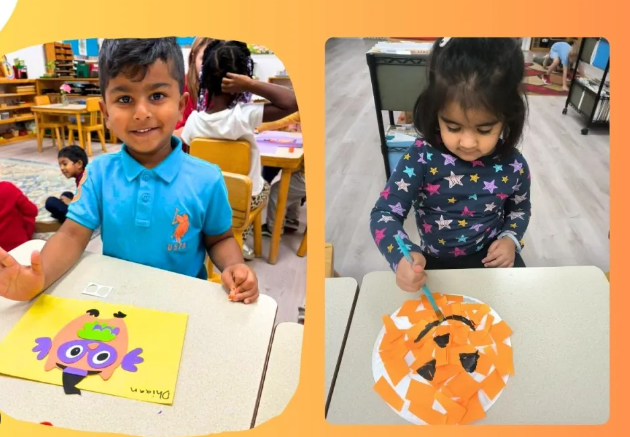
Halloween is a delightful time for children, filled with costumes, treats, and creativity. For those interested in the Montessori method, incorporating Halloween activities can foster learning while keeping the fun alive. Below are some engaging Montessori Halloween activities that promote sensory play, motor skills, and cognitive development.
1. Pumpkin Exploration
One of the most direct ways to engage kids with the season is through pumpkin exploration. Find a few pumpkins of different sizes and shapes, and allow children to explore their texture, weight, and color. Encourage them to observe the differences through discussions that include vocabulary like “smooth,” “bumpy,” and “heavy.” This hands-on experience not only cultivates sensory skills but also promotes language development.
After examining the pumpkins, you can move on to a crafting session. Use small utensils to scoop out the insides, allowing kids to experience the feel of the seeds and pulp. This activity can also introduce basic concepts of measurement when kids count the seeds or estimate how many cups of pulp are inside. It’s an excellent way to blend sensory play with mathematics.
-
- Gather different sizes and types of pumpkins.
-
- Provide safe utensils for scooping.
-
- Encourage descriptive language during exploration.
-
- Consider using a magnifying glass for close-up inspection.
-
- Count seeds and discuss measurements.
2. Spooky Sensory Bins
Sensory bins are a cornerstone of Montessori education and can be easily adapted for Halloween. Create a spooky-themed sensory bin using black beans or rice as the base, adding in mini plastic spiders, ghosts, and other Halloween-themed items. This bin provides a rich multi-sensory experience, allowing children to explore textures while practicing fine motor skills.
You can enhance the activity by incorporating tools such as scoops, tweezers, or tongs for transferring items from one place to another. This not only keeps children engaged but also strengthens hand-eye coordination and dexterity. Encourage storytelling by letting kids describe what they’re finding and creating narratives about their discoveries.
-
- Create a base with black beans, rice, or sand.
-
- Add small Halloween toys or natural materials like leaves.
-
- Include tools like scoops or tongs.
-
- Encourage stories based on discoveries.
-
- Rotate items to keep the activity fresh and engaging.
3. Halloween Nature Walk
A nature walk during the Halloween season can open children’s eyes to the beauty of autumn. Focus on finding items that symbolize Halloween, such as fallen leaves, acorns, or unique rocks shaped like spooky creatures. Bring along baskets for children to collect their finds, reinforcing their connection with nature and the changing seasons.
After the walk, you can engage in a sorting or art activity with the collected items. For example, sort leaves by color or size, or create leaf rubbings to preserve memories of your walk. This not only encourages creativity but also teaches classification, enhancing cognitive skills.
-
- Choose a safe, local walking path.
-
- Provide baskets for collecting items.
-
- Discuss seasonal changes and plant life.
-
- Encourage sorting and categorization of finds.
-
- Plan a follow-up art project using collected items.
4. Halloween-Themed Practical Life Activities
Integrating Halloween into practical life activities teaches children useful skills while making tasks fun. For instance, set up a “mystery potion” station where kids can mix water with food coloring or vinegar with baking soda to create bubbling “potions.” This encourages scientific inquiry and practical skills like measuring and pouring.
You can also engage children in simple cooking projects where they can help prepare Halloween-themed snacks. Creating bat-shaped cookies or pumpkin muffins not only teaches kids about nutrition but also allows them to practice their cutting and mixing skills. This approach encourages independence and builds confidence, both vital in the Montessori philosophy.
-
- Set up a “mystery potion” activity with safe ingredients.
-
- Include measuring tools to practice math skills.
-
- Plan Halloween-themed cooking projects.
-
- Allow kids to choose ingredients or flavorings.
-
- Encourage independence by allowing them to do tasks themselves.
Incorporating Montessori principles into Halloween activities not only keeps children engaged but also nurtures their curiosity and creativity. By blending learning with festivity, you can create a memorable experience. So gather your pumpkins, create those sensory bins, and enjoy an educational Halloween!