
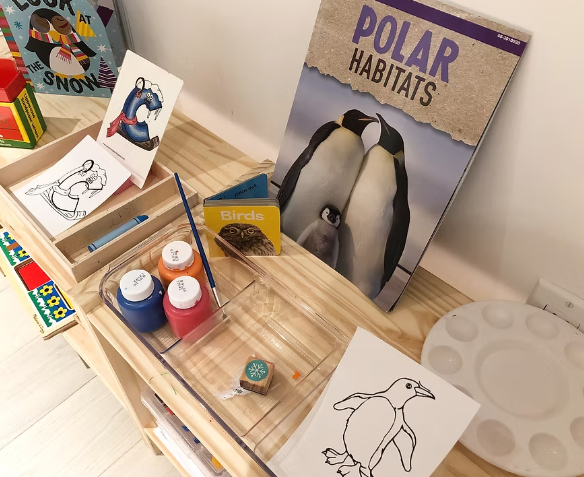
The winter months can be a magical time for children, offering unique learning opportunities through exploration and creativity. Montessori approaches emphasize hands-on activities that promote independence and engagement. Here are some fantastic Montessori winter activities for kids that will foster their development while celebrating the joys of winter.
1. Nature Walks and Collections
Winter nature walks are an excellent way for children to observe the changes in the environment. Bundling up and exploring local parks or even your backyard encourages curiosity and appreciation for nature. Children can collect interesting items such as pine cones, sticks, and winter leaves, which can later be used for various projects.
After the walk, involve children in sorting and classifying their collections. You can create categories based on shapes, sizes, or colors. This activity not only enhances their observational skills but also introduces basic concepts of biology and ecology.
-
- Dress warmly and check the weather before going out.
-
- Bring a basket or bag for collecting items.
-
- Encourage kids to ask questions about their surroundings.
-
- Discuss the seasonal changes observed during the walk.
2. Winter Art Projects
Art projects during winter can be both fun and educational. Utilizing natural materials gathered from nature walks can ignite creativity. For example, making winter-themed crafts such as snowflakes from paper, or using white paint to create a snow scene, provides opportunities for fine motor skill development.
Incorporating sensory experiences can make these projects even more engaging. Consider using materials like cotton balls, glitter, or even raw cotton to represent snow. This hands-on exploration boosts creativity while allowing children to express themselves through their artworks.
-
- Choose a variety of materials for art projects.
-
- Prepare a designated art space to keep things organized.
-
- Encourage kids to express their winter experiences through art.
-
- Display their completed projects around the house.
3. Practical Life Skills: Winter Preparations
Winter provides an excellent opportunity to teach children practical life skills through seasonal chores. Involve them in activities such as loading firewood, helping to prepare warm meals, or getting cozy with blankets. These tasks cultivate responsibility and teamwork while providing a sense of accomplishment.
Cooking can also become a fun, educational activity. Let children assist in making winter comfort foods like soups or hot chocolate. This not only teaches them about nutrition but also engages their senses and builds their confidence in the kitchen.
-
- Assign age-appropriate tasks around the house.
-
- Make cooking a shared experience by involving everyone.
-
- Encourage children to share their favorite winter meals.
-
- Discuss the importance of staying warm and nourished during winter.
4. Indoor Gardening: Winter Planting
Even in the dead of winter, children can experience the joy of gardening indoors. Planting seeds in small pots can teach them about the growth cycle of plants. Herbs or easy-to-grow indoor plants like beans or peas can be particularly rewarding as they sprout quickly.
Maintaining an indoor garden encourages responsibility and routine. Children can learn about watering their plants, providing adequate light, and observing changes as growth occurs. Each stage of the process provides an opportunity for discussions about biology, care, and patience.
-
- Choose fast-growing seeds that are suitable for indoor gardening.
-
- Set a schedule for watering and caring for plants.
-
- Provide adequate sunlight or use grow lights for indoor plants.
-
- Discuss the life cycle of plants during watering times.
5. Winter-Themed Sensory Bins
Sensory bins are a fantastic way to engage young children during the winter months. Fill a bin with materials that represent winter, such as white rice for snow, cotton balls, or ice cubes. Adding winter-themed toys or scoops can encourage imaginative play as well as fine motor skills.
Sensory play isn’t just about having fun; it also enhances cognitive development. Children can learn about textures and temperatures while engaging their senses. This activity can be adapted for various age groups, catering to different developmental needs and interests.
-
- Choose a large bin or shallow container for sensory play.
-
- Incorporate a variety of textures and materials.
-
- Supervise the play and ask open-ended questions.
-
- Encourage imaginative scenarios using the sensory materials.
Winter is a wonderful season to engage children in learning through play and exploration. By embracing Montessori principles, you can turn everyday winter experiences into meaningful educational opportunities. Get started with these activities, and watch your child’s curiosity and independence grow this winter!