
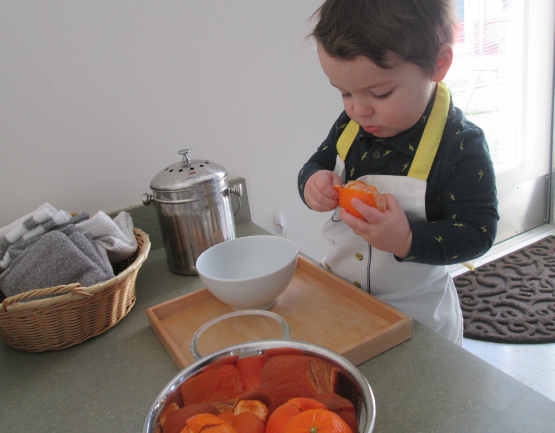
Cooking activities inspired by the Montessori method can be a delightful way to engage children in the kitchen, promoting independence, creativity, and essential life skills. In a world where screen time is often preferred over hands-on activities, cooking provides a unique opportunity for children to explore their environment while learning to nourish themselves.
1. The Importance of Cooking in Montessori Education
Cooking activities are fundamental in the Montessori approach as they foster a sense of responsibility and self-sufficiency. Children are naturally curious, and the kitchen is a stimulating environment filled with textures, colors, and scents. Engaging them in cooking not only caters to their curiosity but also enables them to develop fine motor skills by using various tools and ingredients.
Moreover, cooking provides an interdisciplinary learning experience. While measuring ingredients introduces basic math concepts, following a recipe helps with language skills and comprehension. Creating meals also serves as an opportunity for children to work collaboratively, teaching them the value of teamwork and communication.
-
- Encourage children to choose recipes to increase their interest.
-
- Set up a child-friendly workspace with handy tools.
-
- Incorporate lessons on nutrition and healthy eating.
-
- Provide step-by-step instructions for safety and success.
2. Simple Cooking Activities for Preschoolers
Preschoolers thrive on hands-on activities, and simple cooking tasks can be introduced with adult supervision. Activities should include straightforward recipes such as making fruit skewers or assembling mini sandwiches. These tasks require minimal ingredients but offer countless opportunities for educational engagement.
For instance, making fruit skewers can teach children about different fruits, colors, and shapes as they select and thread them on sticks. As they handle the fruits, they can enhance their sensory experiences while learning to follow directions and work independently. Encouraging them to wash and cut (with a safe, child-friendly knife) further develops their motor skills.
-
- Choose recipes that do not require heat to ensure safety.
-
- Introduce simple tools like cookie cutters for fun shapes.
-
- Involve them in clean-up to teach responsibility.
-
- Keep ingredients organized to promote independence.
3. Engaging Cooking Activities for Elementary School Kids
As children grow older, cooking activities can become more complex and creative. For elementary school kids, engaging them in baking projects or more structured meals can ignite their interest and creativity. The process of baking bread, for example, involves different scientific principles like yeast fermentation and can lead to fascinating discussions about food science.
Students can also explore a cultural aspect by picking recipes from various countries, learning about global cuisines, and the history behind foods. These cooking sessions can become an exciting way to conduct social studies, geography, and even math lessons through ingredient measurements and time management.
-
- Involve them in planning a themed meal inspired by another culture.
-
- Use measuring cups and scales for precise measurements.
-
- Encourage them to create their unique recipes.
-
- Make note of the different cooking techniques used.
Incorporating cooking activities in your child’s routine can significantly enhance their learning experience while providing necessary skills for adulthood. From preschool to elementary school, there are limitless opportunities for kids to learn, explore, and grow through cooking, creating fond memories along the way.
Empower your child to take the next step in their cooking journey. Consider starting a weekly cooking day, letting them choose new recipes, or even exploring international cuisines together. Each cooking session will enrich their education while making cooking a fun family bonding experience.