
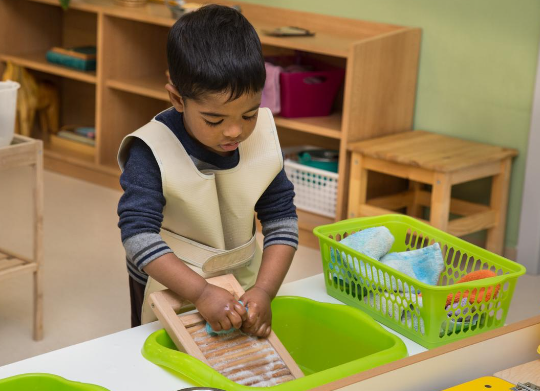
Montessori education emphasizes hands-on learning, and practical life activities are a key component for toddlers. These activities help children develop essential life skills while fostering independence and confidence. Here, we’ll explore various Montessori practical life activities tailored specifically for toddlers.
1. Pouring and Transferring Activities
Pouring and transferring activities are fundamental in a Montessori setting. These activities allow toddlers to practice coordination and concentration while engaging them in purposeful work. A simple yet effective example is setting up a pouring station with different containers, such as cups or bowls filled with rice or beans. Children can pour from one container to another, helping develop their fine motor skills and hand-eye coordination.
Another engaging option is to use utensils to transfer small objects like pom-poms or dried pasta from one bowl to another. This not only strengthens their hand muscles but also enhances their focus and attention span. As the child becomes adept, you can introduce challenges, such as using a spoon or a scoop, increasing both difficulty and engagement.
-
- Choose lightweight materials for easy pouring.
-
- Use a mat to contain spills and make cleanup easier.
-
- Supervise but allow children to explore at their pace.
-
- Repeat the activities regularly to build confidence.
2. Dressing and Undressing Skills
Teaching toddlers how to dress themselves is an essential aspect of fostering independence. Start with simple clothing items, like button-up shirts or pants with elastic waistbands, which are easier for small hands to manipulate. Demonstrate how to put on a shirt, guiding them with clear, step-by-step instructions. Use language that matches their understanding, such as “sleeve” and “head” to help them grasp the concepts better.
Create a special dressing area equipped with a mirror so children can observe themselves as they practice. This not only promotes self-esteem but also aids in physical coordination. Over time, introduce more complex fasteners like zippers and buttons as their skills progress, making sure to celebrate their achievements to foster a sense of accomplishment.
-
- Provide clothing that allows for independence (elastic, large buttons).
-
- Encourage practice with a variety of clothing items.
-
- Use a mirror to help them see what they’re doing.
-
- Hold mini “fashion shows” to celebrate their success.
3. Food Preparation Activities
Food preparation offers rich sensory experiences for toddlers. Simple tasks such as washing fruits and vegetables can be a fun and engaging activity. Set up a small water station and let the children wash their veggies, feeling the textures while discussing colors and shapes. This serves dual purposes: it teaches hygiene and involves them in the food process, fostering a sense of ownership over their meals.
As toddlers grow comfortable, introduce them to basic cooking tasks, like spreading butter on bread or mixing ingredients in a bowl. Use safe, child-friendly utensils and ensure you supervise closely at all times. Encourage them to explore different tastes and textures, enriching their sensory development and reinforcing healthy eating habits.
-
- Keep food preparation tasks age-appropriate.
-
- Use non-slip mats to prevent spills.
-
- Involve them in the entire food process, from washing to cooking.
-
- Discuss nutritional value as they prepare meals.
4. Cleaning and Care of the Environment
Involving toddlers in cleaning activities instills responsibility and respect for their surroundings. Simple tasks like sweeping, dusting, or wiping tables can be framed as fun games. Equip them with child-sized cleaning tools, such as a small broom and dustpan, to make the experience more engaging. This empowers children, enabling them to take pride in their environment.
You can create a cleaning routine that includes tidy-up times throughout the day. Reinforce the significance of a clean environment by discussing how it helps their space feel safe and welcoming. Incorporating music or a fun timer can infuse an element of play, encouraging them to participate joyfully in these chores.
-
- Use child-sized cleaning tools for better engagement.
-
- Incorporate music or games to make cleaning fun.
-
- Establish a regular cleaning routine.
-
- Discuss the benefits of a clean environment.
5. Gardening Activities
Gardening is an enriching practical life activity that allows toddlers to connect with nature. Start with easy-to-grow plants, like herbs or flowers, and let them help in planting seeds, watering, and observing growth. This endeavor nurtures patience and promotes an understanding of the life cycle. You can explain how plants require care, linking responsibilities with the outcome of their labor.
Furthermore, gardening promotes sensory exploration. Children can feel the soil, smell the herbs, and observe numerous colors and shapes. Offering them small tasks, like watering or harvesting vegetables, reinforces ownership and pride in their work. It is an excellent way to integrate lessons about the environment while providing a tangible, rewarding experience.
-
- Start with simple seeds that germinate quickly.
-
- Allow them to engage fully with all sensory aspects.
-
- Discuss the importance of plants in our ecosystem.
-
- Provide tools appropriate for their size.
Montessori practical life activities are not just fun; they are invaluable in nurturing essential skills in toddlers. By incorporating these activities into your routine, you empower your child to grow in independence and confidence. Start today and watch your little one flourish in self-sufficiency and joy.