
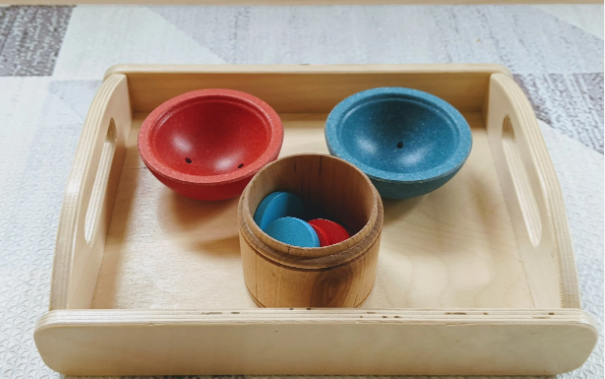
Montessori sorting activities are a wonderful way for children to explore their environment and enhance their learning. Through these hands-on experiences, kids can develop essential skills like critical thinking, fine motor coordination, and cognitive processing. This blog post will delve into various Montessori sorting activities that can be easily implemented at home or in a classroom setting.
1. Nature-Based Sorting Activities
One of the most engaging ways to introduce sorting is through nature-based activities. Children can collect items like leaves, stones, or flowers from outside and sort them based on size, color, or type. This not only gets them involved in an outdoor exploration but also allows them to practice classification, an important cognitive skill. For instance, a child could sort leaves into two piles: smooth and jagged, reinforcing their observation skills.
To implement this activity, provide children with a small basket or container for collecting items. Once they have gathered their findings, encourage them to sort each item and explain their choices. This fosters conversation and analysis, enhancing both their verbal skills and scientific thinking. Use charts or paper to record their findings, creating a simple but effective way to visualize data.
-
- Gather a variety of natural items from different locations.
-
- Choose a sorting criterion (e.g., color, size, texture).
-
- Encourage discussion around the choices made during sorting.
-
- Document the activity with pictures or drawings.
2. Kitchen Sorting Activities
The kitchen is a treasure trove for sorting activities that can make learning fun and practical. Kids can sort various kitchen items, such as utensils, fruits, or pasta shapes. For example, you can set up a sorting station with different bowls for spoons, forks, and knives, teaching children about categories and functionality in a real-world context.
Additionally, sorting food items like pasta shapes can be an excellent multi-sensory experience. Children can explore textures, colors, and shapes while identifying and grouping different types of pasta. This activity can promote not just sorting skills but also creativity, as kids can help create a simple pasta dish afterward!
-
- Gather a mix of kitchen items or food products.
-
- Set up separate containers for each category.
-
- Explain the importance of each item as they sort.
-
- Encourage them to create a recipe or project using the sorted items.
3. Color and Shape Sorting with Art Supplies
Art supplies provide an engaging medium for children to sort based on colors and shapes. You can use items such as crayons, buttons, or colored papers for this activity. For example, set up an area with various colors of crayons and encourage the children to sort them into separate cups according to their color.
By doing this, children not only learn about color recognition but can also practice fine motor skills as they grasp and transfer items between containers. Furthermore, incorporating a creative element such as a drawing or craft project encourages them to use the sorted items, thereby reinforcing their sorting experience through application.
-
- Collect a variety of art supplies in different colors and shapes.
-
- Create several containers for sorting.
-
- Encourage children to explain their sorting method.
-
- Incorporate a follow-up project using the sorted materials.
4. Sensory Sorting with Textures
Sensory sorting activities are perfect for younger children who are still developing their tactile senses. Use various textured items such as soft fabric scraps, sponges, or even different types of sandpaper. You can create a sorting activity where kids separate these materials based on texture, enhancing their sensory awareness and description skills.
This activity can be offered as a tactile experience—let children feel and describe each texture before sorting them into groups. For instance, they could create one pile for soft items and another for rough materials. Such sorting promotes both sensory processing and language development as they describe their experiences.
-
- Collect items with a range of textures.
-
- Set up a sorting area with containers for each texture type.
-
- Encourage descriptive language throughout the activity.
-
- Consider incorporating a related, sensory-rich activity afterward.
5. Digital Sorting Activities
In our increasingly digital world, incorporating technology into sorting activities can be beneficial. Many educational apps and websites offer interactive sorting games that engage children visually and cognitively. For instance, children can sort animated fruits or shapes, making it a fun way to practice categorization skills.
Moreover, using digital tools allows for a blend of traditional learning and technology, familiarizing kids with digital systems while honing their abilities. Set aside time for interactive screen sessions where children can engage with sorting games designed for their age level, ensuring a balance between screen time and hands-on activities.
-
- Explore educational apps that focus on sorting and categorization.
-
- Set time limits for screen interaction to promote balance.
-
- Encourage offline discussions about what they learned from the digital games.
-
- Follow up with a hands-on activity to reinforce digital learning.
Incorporating Montessori sorting activities into your child’s routine can significantly enhance their learning and development. These engaging tasks not only reinforce important skills but also allow for creativity and exploration. So, gather some materials and start sorting with your little ones today for a fun-filled learning experience!