
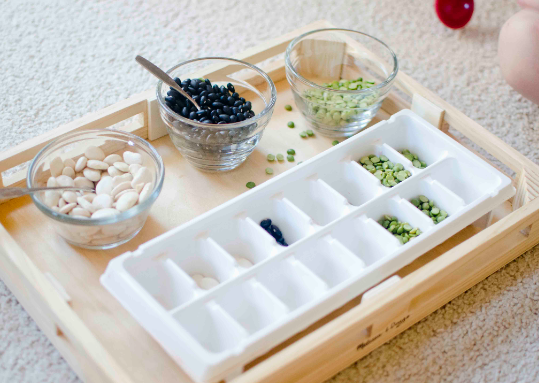
Montessori transferring activities are a fundamental aspect of early childhood education, especially for toddlers. These hands-on tasks not only enhance fine motor skills but also cultivate independence and concentration. In this blog post, we will explore some engaging transferring activities and their benefits.
1. Pouring Activities
Pouring activities are delightful for toddlers and can be easily set up at home or in a classroom. You can use different materials such as water, rice, or beans, allowing children to practice using various pouring tools like cups, pitchers, and scoops. The act of pouring helps develop hand-eye coordination and encourages a sense of control, as toddlers learn to measure and balance the content as they pour.
To start with pouring activities, you can set up a simple station. Prepare two containers: one for pouring and another for receiving. Fill the pouring container with a small amount of liquid or dry material, and let your child practice transferring the contents back and forth. Encourage them to fill the receiving container without spilling, which will boost their confidence and dexterity.
-
- Use materials with different weights (e.g., water and rice) for varied experiences.
-
- Keep towels nearby for easy cleanup.
-
- Encourage pouring from higher distances to enhance skill.
-
- Introduce different types of pitchers to explore various pouring techniques.
2. Transferring with Tongs
Using tongs is an effective way for toddlers to improve their grip and strengthen their hand muscles. This activity can involve transferring small objects like pom-poms, mini blocks, or even pieces of fruit from one bowl to another. It not only enhances their motor skills but also introduces them to the concept of tool use, laying the foundation for future learning experiences.
To initiate this activity, set out a few bowls of different objects and provide a pair of tongs. Demonstrate how to pick up and transfer an object with the tongs, and let your toddler mimic the action. Keep the atmosphere light and playful by turning it into a game, such as a race to see who can transfer the most items in a set time.
-
- Vary the size and texture of the items for different challenges.
-
- Encourage teamwork by transferring items together.
-
- Choose colorful objects to make it visually appealing.
-
- Incorporate counting as they transfer items for added learning.
3. Sorting and Separating Activities
Sorting activities not only engage toddlers but also promote cognitive skills as they learn to categorize items based on different attributes such as color, size, or shape. Provide a variety of objects—like buttons, beads, or toys—and ask your child to sort them into designated containers. This can be a fun way to enhance reasoning and problem-solving abilities while also practicing transferring skills.
To implement sorting in your routine, set up a dedicated workspace. Lay out the mixed items and provide distinct bins for sorting. You can encourage your toddler to talk about their choices as they sort, fostering language development in addition to their motor skills. This activity can easily be adapted to suit their interests, from toys to nature items collected outdoors.
-
- Use everyday household items for sorting to avoid extra costs.
-
- Encourage them to explain why they are sorting items as they go.
-
- Make it a challenge to sort as fast as they can, fostering excitement.
-
- Set specific categories to deepen focus (e.g., colors, shapes).
4. Transferring with a Spoon
Using a spoon is another wonderful transferring activity that enables toddlers to refine their hand control. This activity can involve transferring smaller items, like beads or dry cereal, from one bowl to another using a spoon. This process bolsters their grip strength and improves coordination as they learn to maneuver a tool. It’s an excellent way to spark interest in cooking or serving food as well.
To prepare a spoon transferring station, you’ll need two bowls: one filled with the objects for transfer and the other empty. Encourage your child to scoop and transfer the items into the empty bowl. You can make this activity more dynamic by introducing challenges, such as transferring items with one hand or using a larger spoon for added difficulty.
-
- Introduce measuring spoons for precise scooping and pouring.
-
- Rotate materials regularly to maintain engagement.
-
- Pair the activity with songs or rhymes to enhance enjoyment.
-
- Promote patience by setting timers to gradually increase the difficulty.
5. Dressing Frames for Transferring Skills
Dressing frames are a unique Montessori tool that combines transferring skills with the learning of self-care. These frames often involve buttons, zippers, and laces, providing toddlers with practical opportunities to transfer skills from the activity to dressing themselves. Through repetitive practice, toddlers gain independence and confidence in managing their own clothing.
Investing in a dressing frame can be a game-changer, helping your toddler practice essential life skills. Start with simple frames that have easy buttons and zippers, allowing them to focus on the transfer skill without feeling overwhelmed. As they grow more proficient, you can introduce more complex frames. This gradual guide helps them build confidence and persistence.
-
- Set aside specific times each day for dressing practice to create a routine.
-
- Use positive reinforcement and encouragement for their efforts.
-
- Make it a fun challenge by timing their efforts.
-
- Celebrate their successes with verbal praise or rewards.
Incorporating Montessori transferring activities into your toddler’s daily routine can yield impressive developmental benefits. These engaging tasks foster independence, concentration, and fine motor skills. As you explore these activities, remember to have fun and celebrate your child’s achievements along the way. Now, it’s time to engage in these activities and watch your child flourish!