
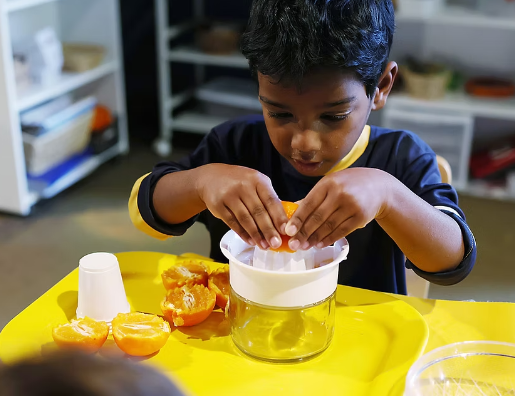
Montessori education emphasizes hands-on learning and independence, making it perfect for preschoolers. One of the key components within this philosophy is Practical Life Activities, which help children develop essential skills while nurturing their independence and confidence.
1. Understanding Practical Life Activities
Practical Life Activities (PLAs) in the Montessori method are designed to help preschoolers learn to care for themselves and their environment. These activities may seem simple, but they are vital for developing fine motor skills, concentration, and a sense of responsibility. Children engage in tasks like pouring, sorting, or cleaning, which help them gain independence from adults.
In Montessori classrooms, these activities are often organized in a way that allows children to choose what they want to do. For example, a child might spend time pouring water from one container to another, which enhances hand-eye coordination. Not only do these activities improve physical skills, but they also build emotional and social skills by fostering a sense of accomplishment.
-
- Choose activities that are age-appropriate.
-
- Create a designated space for PLAs in your home.
-
- Introduce basic tasks and gradually increase complexity.
-
- Encourage children to complete the entire process, from setup to cleanup.
2. Examples of Practical Life Activities
Some popular Practical Life Activities include washing dishes, sweeping the floor, or planting seeds. For instance, washing dishes can include rinsing, soaping, and drying small utensils. This activity not only teaches children about hygiene but also incorporates math as they learn to measure soap or count items.
<p`>Another engaging activity is flower arranging, which allows children to practice their sensory skills while honing their ability to work with colors and shapes. They learn to observe and appreciate beauty while enhancing their concentration and patience. Each activity can be modified based on the child’s development stage, ensuring they remain engaged and challenged.
-
- Incorporate everyday tasks like cooking or gardening.
-
- Use child-sized tools and materials for safety and ease.
-
- Introduce themed activities related to seasons or holidays.
-
- Rotate activities to keep children interested and challenged.
3. Benefits of Practical Life Activities
Engaging in Practical Life Activities offers numerous benefits for young children. One of the most significant advantages is promoting independence; children learn to do things for themselves, reducing their dependency on adults for daily tasks. This, in turn, boosts their self-esteem as they master new skills.
Additionally, these activities cultivate critical thinking skills as children learn to solve problems independently. For example, when a child sweeps the floor, they must navigate corners and edges, figuring out how to clean effectively. These experiences lay the foundation for more complex tasks in the future, allowing children to become capable and confident learners.
-
- Encourage autonomy by allowing children to choose their activities.
-
- Celebrate small accomplishments to boost self-esteem.
-
- Provide verbal praise and positive reinforcement.
-
- Identify areas where siblings can work together on tasks.
4. Creating a Practical Life Environment at Home
Setting up a conducive environment for Practical Life Activities at home doesn’t have to be complicated. Make sure you have a dedicated area where children can freely explore these activities, equipped with appropriate materials. Clear shelving units with accessible items encourage independence, as kids can select what they wish to work on at any time.
Incorporate natural materials like wood, glass, and metal instead of plastic, as they often provide richer sensory experiences. A simple basket containing cloth napkins and a small spray bottle filled with water can entertain children as they practice ‘wiping’ tables. It’s essential to observe how children interact with their environment and adapt accordingly to keep them motivated and engaged.
-
- Involve children in setting up this area; they have a say in what materials to use.
-
- Ensure materials are organized and easily accessible.
-
- Avoid clutter; keep the space simple to promote focus.
-
- Rotate materials to introduce new challenges regularly.
5. Monitoring Progress and Adapting Activities
As children engage in Practical Life Activities, it is crucial to observe their progress and adjust the activities to their evolving skills. Take note of which tasks they find challenging or engaging and tailor the difficulties for growth. For example, if a child excels at pouring liquids, you might introduce different sizes of containers, providing a new challenge.
Use informal assessments by simply observing how they handle tasks. Are they completing them with ease, or do they appear frustrated? Engaging in open conversations about their experiences allows you to make adjustments and keeps them motivated as they see tangible progress in their abilities.
-
- Keep a journal to track which activities children enjoy and excel in.
-
- Regularly ask for their feedback on activities.
-
- Set achievable goals to motivate them to tackle new challenges.
-
- Share accomplishments with family to celebrate their journey.
In conclusion, Practical Life Activities are vital for fostering independence and essential life skills in preschoolers. By creating an engaging environment and carefully selecting tasks, you can nurture their growth and encourage curiosity. Start incorporating these activities today and watch your child flourish into a confident learner!