
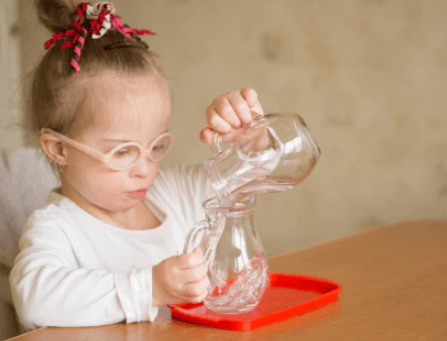
Montessori pouring activities are a fun and educational way to engage toddlers in hands-on learning. These activities not only help develop fine motor skills but also encourage independence and concentration in young children. In this blog post, we will explore various pouring activities that can be incorporated into your child’s daily routine.
1. Understanding the Benefits of Pouring Activities
Pouring activities are foundational in the Montessori method, as they promote key skills such as coordination and control. When a toddler pours water, rice, or beans from one container to another, they enhance their hand-eye coordination and learn about volume and gravity. These activities also provide sensory experiences, allowing children to explore textures and sounds, such as the gentle slosh of water or the soft rustle of rice.
Moreover, pouring encourages independence. Children often enjoy being in control of their tasks, and pouring is an excellent way to build their confidence. As toddlers master pouring without spilling, they feel a sense of accomplishment, which fosters a positive self-image and a willingness to tackle new challenges.
-
- Choose liquids or materials appropriate for their age.
-
- Ensure the workspace is safe and easy to clean.
-
- Incorporate pouring into routine activities (e.g., snack time).
-
- Observe your child’s techniques and offer gentle guidance.
2. Simple Pouring Activities to Try at Home
There are numerous pouring activities that can be easily integrated into your home. One classic example is using a small pitcher to pour water into different-sized cups. Set up a small water table outdoors or a tray on the kitchen counter with cups of various sizes and shapes. This not only makes pouring engaging but also introduces concepts like capacity and comparison. Kids can experiment with how much water they can fit into each cup.
Additionally, consider using dry materials, like dried beans or rice, for a mess-free indoor option. Provide your toddler with two containers and a scoop. They can practice pouring the beans from one container to another, which helps refine their motor skills. Remember to talk to them about what they are doing to enrich their vocabulary and cognitive understanding.
-
- Gather a variety of containers (plastic cups, bowls, or pitchers).
-
- Choose a safe, flat surface to minimize spills.
-
- Encourage experimental and free pouring.
-
- Supervise to ensure safety, especially with liquids.
3. Turning Pouring Into a Sensory Experience
Enhancing pouring activities with sensory elements can make them even more enjoyable for toddlers. For example, you can introduce colorful liquids like diluted food coloring mixed with water. This not only provides visual stimulation but also helps kids learn about mixing colors. Ensure to use non-toxic materials to keep the experience safe and fun.
Another engaging sensory activity is to create a pouring station with different textured materials. You can use silky smooth rice, rough pasta, or even sand. Set up different bowls, each with a unique texture, and allow your toddler to explore how the materials flow and behave when poured. Discuss the differences and encourage descriptive language during play.
-
- Incorporate colorful and safe liquids for visual learning.
-
- Use a variety of textures to stimulate sensory exploration.
-
- Ask open-ended questions to encourage language development.
-
- Rotate materials regularly to maintain interest.
In conclusion, incorporating Montessori pouring activities into your toddler’s play routine is not only educational but also incredibly fun. These activities support developmental milestones while providing a hands-on way to learn and explore. By beginning these practices at home, you can foster a love for learning and independence in your young child.