
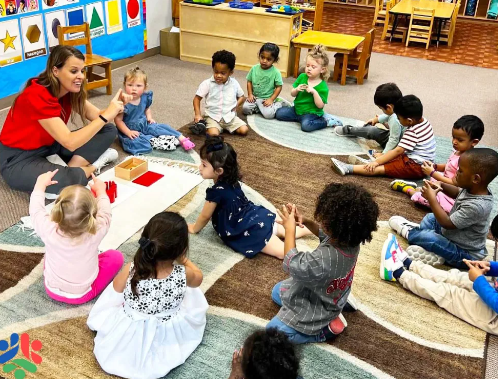
Montessori activities are designed to promote hands-on learning and foster independence in children. For beginners, these activities can be both engaging and educational, laying a strong foundation for future learning. Here, we explore some simple, effective Montessori activities that you can easily incorporate into daily routines.
1. Practical Life Activities
Practical life activities form the cornerstone of the Montessori method, as they help children develop motor skills and learn essential life skills. Simple tasks like pouring, sweeping, or dressing foster independence and give a sense of accomplishment. You can start with activities like transferring water from one container to another to practice fine motor skills while also introducing principles of volume and measurement.
One great example is setting up a “kitchen station” where your child can practice slicing soft fruits, mixing ingredients, or even washing dishes. This not only enhances their fine motor skills but also teaches responsibility. Make sure to use child-friendly tools so they feel safe and empowered.
-
- Set up a designated area for activities.
-
- Provide appropriate materials (child-sized utensils, fruits, etc.).
-
- Demonstrate each task before letting them try.
-
- Encourage them to clean up afterward.
-
- Rotate activities regularly to maintain interest.
2. Sensory Activities
Sensory activities are crucial for young children’s development as they stimulate the senses and enhance cognitive skills. Simple materials like sand, water, or playdough can provide endless opportunities for discovery. Activities such as creating sensory bins filled with rice or beans allow children to explore different textures while improving their hand-eye coordination and focus.
Consider setting up a ‘scented materials booth’ where your child can identify various aromas using spices or herbs. This not only sparks curiosity but also develops their ability to categorize and sort based on sensory experiences. Incorporate colors and shapes into the bins, offering a multi-sensory experience tied to visual learning.
-
- Fill sensory bins with various textured materials.
-
- Introduce new scents or colors weekly.
-
- Use measuring cups or scoops to promote fine motor skills.
-
- Encourage exploration and discussion about their findings.
-
- Reinforce learning with books related to sensory experiences.
3. Language Development Activities
Montessori methods prioritize language development through interactive and engaging activities. One effective way to nurture linguistic skills is through ‘story baskets’ filled with objects that relate to a story. This tangible approach helps children make connections and enhances their vocabulary through hands-on learning.
Another engaging language activity is naming and categorizing items in your home or garden. You can create labels for common objects, helping children to associate words with their meanings. For example, you can label a “table,” “chair,” and “cup” to encourage reading and comprehension skills. Interactive stories and using props can also make language learning fun and relevant.
-
- Create story baskets with relatable objects.
-
- Encourage your child to retell stories in their own words.
-
- Incorporate new vocabulary regularly.
-
- Use visual aids like flashcards for reinforcement.
-
- Involve discussions in everyday activities.
4. Mathematical Concepts
Engaging in simple mathematical activities helps children grasp essential concepts like counting, sorting, and measuring. Utilizing materials such as blocks or beads allows them to visualize numbers and understand basic arithmetic. You can encourage them to sort objects by shape or color while counting the groups, providing a hands-on approach to learning math.
For an interactive activity, consider scavenger hunts where children collect items based on a numerical list. This activity combines physical movement with counting. Another option could be using measuring cups to teach fractions while baking together, reinforcing math concepts in a fun, practical way.
-
- Introduce blocks or counting tools for hands-on learning.
-
- Create sorting games using everyday materials.
-
- Incorporate math into daily routines (like budgeting for groceries).
-
- Engage in scavenger hunts for active learning.
-
- Reinforce fractions through cooking or baking activities.
5. Art and Creative Expression
Art is a vital aspect of the Montessori approach, allowing children to express themselves freely while developing fine motor skills. Activities such as painting, drawing, or crafting not only encourage creativity but also strengthen hand-eye coordination and concentration. Providing a variety of art supplies allows children to explore different mediums and techniques at their own pace.
Consider setting up a dedicated art space where children can experiment with different materials, from watercolor paints to clay. You can also incorporate themed projects, like creating seasonal decorations, to make art relevant and engaging. The key is to let children explore their artistic abilities without strict guidelines, fostering their unique styles.
-
- Keep a variety of art supplies readily available.
-
- Encourage open-ended projects without strict instructions.
-
- Incorporate seasonal themes for relevant activities.
-
- Allow them to display their artwork proudly at home.
-
- Share their creations with family and friends for positive reinforcement.
As you explore these Montessori activities for beginners, remember that the key is fostering a love for learning through hands-on engagement. Each activity provides an opportunity for growth and discovery, encouraging children to develop essential life skills. So, gather your materials, set up a fun learning environment, and watch your child thrive!