
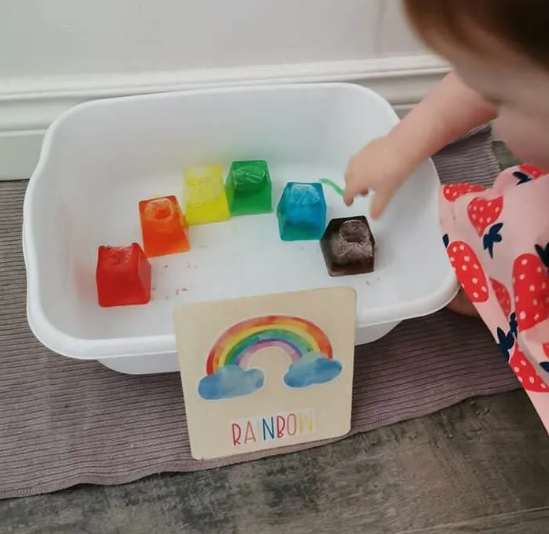
Water play is a fantastic way to engage children through sensory experiences that promote learning and development. Montessori water play activities not only encourage creativity and exploration but also foster essential skills like fine motor development and problem-solving. In this post, we will explore various Montessori water play activities that can be easily set up at home or in a classroom environment.
1. The Wonders of Water Transfer
Water transfer activities allow children to practice pouring and scooping, helping to develop their hand-eye coordination and fine motor skills. This can involve simple tools like cups, spoons, or syringes. For example, you can set up two bowls: one filled with water and another empty, and encourage children to transfer water between them using various tools.
You can also introduce different-sized containers to discuss concepts like volume and capacity. Moreover, varying the temperature of the water can spark curiosity about hot and cold, further enhancing the sensory experience while keeping safety in mind. Children will find joy in experimenting with the flow and movement of water.
-
- Choose different containers for varied sizes.
-
- Include tools like cups, spoons, or pipettes.
-
- Encourage children to observe the flow of water.
-
- Discuss observations—what happens when you pour quickly vs. slowly?
2. Floating and Sinking Exploration
Exploring the principles of buoyancy through floating and sinking activities is a great way to integrate science into play. You can create a simple water table with a variety of objects from around the house—some that float, like plastic bottles, and others that sink, like rocks. Let children predict which items will float or sink before testing them in the water.
This activity not only reinforces scientific thinking but also enhances vocabulary as you introduce terms like buoyancy and density. As children experiment, encourage them to make simple hypotheses and observations about why certain objects behave differently. This exploration can lead to fascinating discussions about materials and their properties.
-
- Gather a variety of objects (bottles, toys, stones).
-
- Ask children to predict which will float or sink.
-
- Encourage descriptive language when making observations.
-
- Discuss concepts like weight, shape, and material.
3. Nature-Inspired Water Play
Nurturing a connection with nature can also occur through water play. You can incorporate natural materials such as leaves, flowers, and stones into the water play environment. A large basin filled with water can serve as a mini ecosystem where children can explore the different textures, colors, and scents of these natural items.
This activity not only offers sensory experiences but also encourages imaginative play. Children can create small boats from leaves or observe how different materials interact with water. They can even experiment how certain items sink or float, integrating the lessons learned from the previous activities and fostering a love for nature and ecology.
-
- Gather natural items for exploration.
-
- Use simple containers for collecting water.
-
- Encourage imaginative play and storytelling.
-
- Discuss the role of water in an ecosystem.
4. Color Mixing with Water
Color mixing activities are not only visually stimulating but also foster cognitive development as children learn about primary and secondary colors. You can set up a water play station equipped with several cups of water mixed with different food coloring. Encourage children to experiment by mixing the colors and observing the new shades that emerge.
This activity provides an excellent opportunity to discuss color theory while simultaneously encouraging creative expression. As children mix colors, ask them to describe their observations and feelings about the colors they create, fostering a deeper understanding of both art and science.
-
- Prepare multiple cups of water with different coloring.
-
- Provide dropper tools for mixing.
-
- Encourage children to predict the resulting colors.
-
- Discuss color names and their emotional meanings.
In conclusion, Montessori water play activities offer not just fun, but also valuable opportunities for skill development and exploration. By integrating these activities into your routine, you can cultivate a love for learning and discovery in children. Whether you’re at home or in a classroom, consider trying out these ideas and watch the magic unfold!