
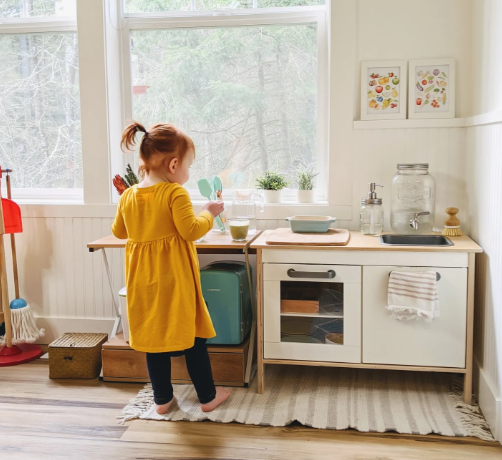
Engaging toddlers in the kitchen can be a delightful experience, both for the child and the caregiver. Montessori kitchen activities not only foster independence and confidence but also help develop essential life skills. In this post, we will explore some hands-on activities that are perfect for little ones learning to navigate their culinary world.
1. Pouring and Measuring
One of the foundational skills toddlers can learn in the kitchen is pouring and measuring ingredients. This activity enhances their fine motor skills and helps them understand concepts like volume and quantity. For example, using different-sized containers, children can pour rice, beans, or water. You can set up a safe space where they can practice pouring from one container to another, allowing them to explore how different amounts feel when they transfer them.
Measuring ingredients is another engaging activity. Use cups, spoons, and bowls for toddlers to explore measuring solid and liquid ingredients. They can practice scooping flour or measuring out water, which helps integrate math skills with tactile experiences. By offering support but allowing them to lead, you’ll boost their confidence and curiosity about cooking.
-
- Set up your workspace with various sizes of containers.
-
- Choose safe, dry ingredients like rice or beans to start.
-
- Introduce measuring cups and spoons for added fun.
-
- Encourage cleanup by allowing them to sweep or wipe spills.
2. Cutting and Food Preparation
Introducing toddlers to cutting and food preparation can be both safe and enjoyable with the right tools. Consider using a child-safe knife or tools specifically designed for little hands. Soft fruits like bananas, cooked potatoes, or cucumbers make excellent choices for their initial cutting experiences. Supervised, they can learn the principles of cutting skills while building confidence and hand-eye coordination.
In addition to cutting, consider activities where toddlers can help with peeling, washing, and arranging food. For instance, letting them rinse cherry tomatoes or peel a soft avocado can provide them with a sense of accomplishment. The more involved they are in food prep, the more excited they will be to taste their creations, reinforcing healthy eating habits.
-
- Invest in child-safe kitchen tools.
-
- Choose soft fruits and vegetables for cutting practice.
-
- Supervise but allow them to take the lead.
-
- Discuss safety and proper handling of kitchen tools.
3. Mixing and Baking
Mixing and baking can be wonderful activities to introduce toddlers to the joy of cooking. Mixing can involve a variety of textures and ingredients, from dough to cake batter. Let your little ones use their hands or spatulas to combine flour, sugar, and eggs, providing them with an opportunity to feel different textures and learn about how ingredients come together. This sensory experience is crucial at their developmental stage.
Baking simple recipes like cookies or muffins not only makes the experience fun but also provides instant gratification. They can help scoop out batter or sprinkle toppings, reinforcing their sense of contribution to the process. Plus, the delicious aroma that fills the kitchen will add to their excitement and eagerness to be involved in future culinary adventures.
-
- Choose simple, child-friendly recipes.
-
- Create a special mixing area with easy access to ingredients.
-
- Encourage them to engage in different baking steps.
-
- Talk about the transformations that happen during baking.
4. Setting the Table
Teaching toddlers how to set the table is an often-overlooked opportunity to develop their independence and sense of responsibility. Begin by introducing the basic items they will need, such as plates, utensils, and cups. Show them how to place these items correctly on the table, explaining the purpose of each item as they go along. Making this a fun game can ignite their interest and promote a sense of ownership at mealtime.
Incorporating a routine around setting the table can also strengthen their understanding of mealtime roles. Encourage them to take turns placing different items, as this helps reinforce social skills and communication. Over time, setting the table can become a cherished routine that they look forward to participating in at every meal.
-
- Use child-friendly items that are lightweight.
-
- Establish a routine around setting the table.
-
- Make it a fun game by timing them or offering praise.
-
- Discuss the roles of different tableware items as they work.
Engaging toddlers in kitchen activities can be a fulfilling journey for both caregivers and children. By incorporating these Montessori kitchen activities, you help develop essential skills, nurturing their independence and creativity. Start introducing these activities into your daily routine, and watch your little ones thrive as they discover the joys of cooking!