
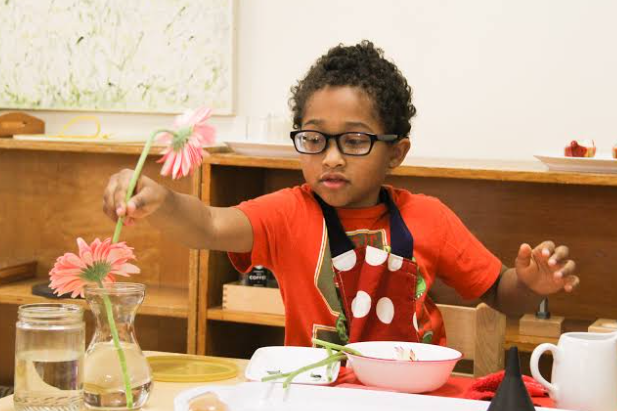
If you’re looking for effective ways to boost concentration in children, Montessori activities are an excellent choice. These innovative methods not only encourage focus but also promote independence and hands-on learning. Let’s explore some engaging activities that can cultivate concentration skills in young learners.
1. Practical Life Activities
Practical life activities are fundamental to the Montessori approach, promoting fine motor skills, coordination, and concentration. Simple tasks such as pouring, spooning, or buttoning require children to focus on their movements and develop their attention span. For example, set up a pouring station with two containers and small grains or water, allowing children to pour from one to the other.
These activities provide kids with opportunities to practice real-life skills while honing their ability to concentrate on one task at a time. You can enhance these activities by using different materials, such as various sizes of containers or diverse pouring mediums like sand or rice, to keep them engaged longer.
-
- Set up a dedicated space for practical life activities.
-
- Rotate materials regularly to keep the activities fresh and interesting.
-
- Encourage children to work at their own pace without interruptions.
-
- Provide clear, simple instructions to follow.
-
- Observe their process rather than intervening, unless assistance is needed.
2. Sensorial Activities
Sensorial activities are designed to engage the five senses and promote cognitive development, making them ideal for enhancing concentration. Activities such as sorting shapes, matching colors, or exploring textures help children focus on specific tasks. For instance, create a sensory bin filled with various textured items such as sandpaper, fabrics, and sponges, and allow children to explore them while naming the textures.
These experiences encourage deeper levels of concentration as children immerse themselves in the exploration of their senses. You can make the activities even more challenging by introducing concepts like size, weight, or sound, which can keep children intellectually engaged for longer periods.
-
- Incorporate different sensory materials to stimulate interest.
-
- Use descriptive language to help them articulate their experiences.
-
- Encourage discussion about what they feel, see, and hear.
-
- Use simple games that involve comparison, like blindfolded taste tests.
-
- Keep sessions brief but frequent to build stamina and attention.
3. Art and Craft Activities
Art activities provide a natural outlet for creativity, allowing children to focus intensely on their projects. Whether painting, molding with clay, or constructing with blocks, these activities demand concentration and fine motor skills. For example, if you’re working with younger kids, set up a simple painting station with watercolors, ensuring they have everything they need within reach for uninterrupted focus.
Creating art not only helps develop concentration but also allows children to express their emotions and thoughts. You can further enhance their focus by allowing uninterrupted work time and encouraging them to explore various techniques—like using different brush sizes or materials—to keep their interest piqued.
-
- Provide an organized space with all necessary materials readily available.
-
- Encourage free exploration before suggesting specific techniques.
-
- Display their art prominently to boost their sense of accomplishment.
-
- Incorporate music to create a calm atmosphere during art time.
-
- Limit distractions by setting a clear ‘no interruption’ rule while they create.
4. Nature and Outdoor Activities
Engagement with nature can significantly improve a child’s ability to concentrate. Outdoor activities, such as gardening, scavenger hunts, or nature walks, necessitate focused attention and awareness of one’s surroundings. For example, during a nature walk, encourage children to observe specific objects like the color of leaves or different bird songs they can identify.
These experiences foster mindfulness and help children connect with their environment, reinforcing their concentration skills. To deepen their focus, create goal-oriented outdoor tasks, like collecting specific items or completing a sketch of what they observe, which also adds an element of fun.
-
- Plan regular outdoor sessions to keep them connected with nature.
-
- Incorporate goals or challenges to complete during outdoor activities.
-
- Encourage journaling or drawing what they see for reflection.
-
- Discuss their findings and observations to reinforce learning.
-
- Make outdoor activities a screen-free zone for improved focus.
Montessori activities offer incredible opportunities to help children develop concentration skills while making learning an enjoyable experience. By implementing these engaging activities at home or in educational settings, you can support a child’s desire to learn and grow. Consider incorporating some of these suggestions into your daily routine—your child’s attention span will thank you!