
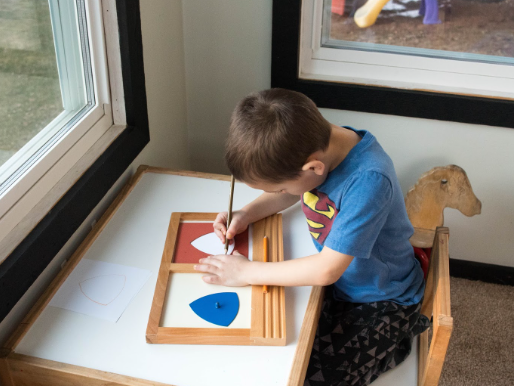
Montessori education is a child-centered approach that nurtures a child’s natural desire to learn through hands-on activities. For five-year-olds, this method can be particularly beneficial, offering opportunities for exploration and skill-building in a structured yet flexible environment. Here are some engaging Montessori activities that you can incorporate into your home or classroom setting.
1. Practical Life Skills Activities
Practical life activities are foundational in Montessori education, as they help children develop independence and confidence. At this age, children can learn to perform tasks such as washing dishes, folding laundry, or setting the table. Each of these activities not only promotes fine motor skills but also teaches responsibility and the importance of everyday chores.
By encouraging children to engage in these activities, you’re providing them with real-life skills that they can use daily. For instance, you can create a simple washing station with a small basin of water, soap, and dishes. Guide your child through the process, helping them understand the steps involved while allowing them autonomy to complete the task. This reinforces their ability to focus and carry out a task from start to finish.
-
- Set up a practical life station at home.
-
- Include materials like small utensils, cloths, and basins for cleaning.
-
- Demonstrate tasks first, then let them try.
-
- Encourage them to express how they feel about completing the tasks.
2. Sensory Play Activities
Sensory play is another vital aspect of Montessori education, which aids in brain development and enhances fine motor skills. Sensory bins filled with materials like rice, beans, or sand can provide endless hours of exploration for a five-year-old. These bins stimulate the senses and encourage imaginative play, where children can scoop, pour, and sift through the materials.
You can create themed sensory bins to captivate your child’s interest. For instance, a “beach” bin could include sand, small seashells, and spoons for digging. Let your child explore the textures and colors, talk about what they are feeling, and relate their experiences to real-world scenarios. Sensory play can also promote language development as children describe their findings and experiences.
-
- Choose a theme for the sensory bin.
-
- Include various textures and colors to stimulate curiosity.
-
- Allow open-ended exploration without strict guidelines.
-
- Encourage language by asking questions about their experience.
3. Art and Creativity Activities
Creativity is an integral part of the Montessori method, allowing children to express their thoughts and emotions through various art forms. At five years old, children can engage in simple art projects, including painting, drawing, or crafting. Providing them with a range of materials, from crayons to clay, can inspire imaginative creations and self-expression.
Consider setting up an art corner where your child can access supplies easily. You can introduce simple art techniques, like sponge painting or finger painting, while also allowing them to explore freely. Art activities not only foster creativity but can also improve hand-eye coordination and concentration skills. Displaying their artwork can further boost their self-esteem and sense of accomplishment.
-
- Provide a variety of art supplies for exploration.
-
- Create a designated art space with easy access to materials.
-
- Encourage unconventional uses of supplies to spark creativity.
-
- Celebrate their completed projects by displaying them.
4. Nature Exploration Activities
Connecting with nature is essential for a child’s development and encourages curiosity about the world around them. Nature exploration can take many forms, from guided walks in the park to simple gardening projects at home. These activities motivate children to observe their environment and develop a sense of appreciation for nature.
You can plan weekly nature walks where children can collect leaves, stones, or twigs to examine closely. Encourage them to identify different plants or insects and discuss their observations. Gardening activities provide another wonderful opportunity for exploration; children can learn how to plant seeds, water plants, and understand the importance of caring for the environment.
-
- Plan weekly trips to local parks or nature reserves.
-
- Provide tools for gardening to foster hands-on learning.
-
- Incorporate a nature journal for them to document findings.
-
- Encourage sustainable practices, like recycling or composting.
Incorporating Montessori activities into your child’s daily routine can spark a lifelong love for learning. By engaging them in practical life skills, sensory play, art, and nature exploration, you’re cultivating not just knowledge but independence and creativity. So go ahead—set up some exciting activities today and watch your five-year-old thrive!