
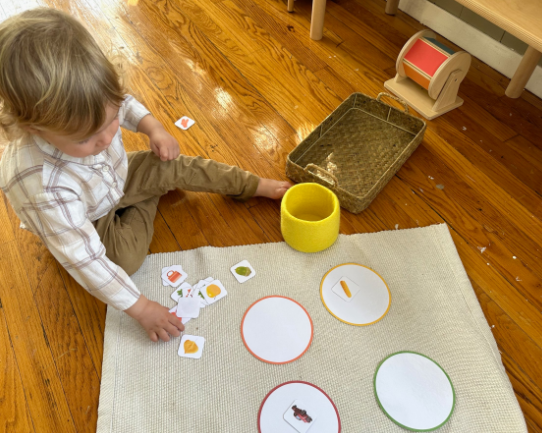
Montessori education focuses on fostering independence and promoting hands-on learning. Easy Montessori activities can be integrated into daily routines, making them a perfect approach for children of various age groups. Here are some simple activities that encourage exploration, creativity, and critical thinking.
1. Practical Life Skills
Teaching practical life skills is a cornerstone of Montessori education. These activities allow children to develop coordination, concentration, and independence. For example, you can set up a washing station where kids can practice washing dishes or vegetables. It not only helps them learn responsibility but also hones their fine motor skills.
Another engaging activity is pouring practice. You can use two containers and let kids pour water, rice, or beans from one to the other. This activity emphasizes control and precision while improving their hand-eye coordination. Such practical life skills help build the foundation for independence in everyday tasks.
-
- Choose a safe, mess-friendly workspace.
-
- Provide child-sized tools and materials.
-
- Demonstrate the activity first before allowing them to try.
-
- Encourage them to clean up afterward to instill responsibility.
2. Sensory Exploration
Sensory activities are vital for a child’s development, helping them to learn through touch, smell, sight, and sound. A simple sensory bin filled with dry rice, pasta, or sand can serve as a wonderful exploration tool. You can add various tools such as scoops, funnels, and small animals to make the experience even richer.
Another sensory activity is making scented playdough at home. Use flour, salt, water, and essential oils to create a colorful and aromatic dough. This not only stimulates their sense of smell but also enhances their tactile experience as they mold and shape the dough into various forms.
-
- Use a variety of textures (soft, hard, smooth, rough).
-
- Add scents (like vanilla or citrus) to enhance the experience.
-
- Encourage open-ended play for creativity.
-
- Rotate materials regularly to keep it exciting.
3. Nature Activities
Nature provides a limitless opportunity for learning and exploration. A simple nature walk can turn into a fantastic adventure where children collect leaves, stones, or flowers. These items can later be used for art projects or scientific observations, allowing them to engage with their environment and learn about biodiversity.
You can also create a garden together. This can involve planting seeds, watering plants, and observing growth—all of which teach children about responsibility, patience, and the importance of caring for living things. Gardening combines science and art, making it a holistic Montessori activity.
-
- Choose a mix of easy-to-grow plants.
-
- Make a checklist of tasks for garden maintenance.
-
- Encourage journaling about plant growth or observations.
-
- Take regular walks in different seasons to observe changes.
4. Art and Creativity
Art is an essential aspect of development that promotes creativity and self-expression. Simple art activities like finger painting or using natural materials (such as leaves and twigs) for collage can encourage children to explore their artistic side without the pressure of perfection. Art provides an important outlet for emotions and helps in developing fine motor skills.
Another impactful activity is creating story stones. You can paint stones with different images or symbols that represent animals, actions, or emotions. Children can use these stones to create stories, fostering their imagination and linguistic skills. This simple activity can be adapted for different age groups and various levels of complexity.
-
- Gather diverse art supplies (paints, crayons, clay).
-
- Set up an art station with easy cleanup in mind.
-
- Encourage experimentation and exploration of materials.
-
- Celebrate their creations by displaying them at home.
Incorporating easy Montessori activities into your child’s daily life can profoundly impact their development. These activities encourage exploration and learning while promoting independence and creativity. Start small, choose a couple of engaging options, and observe your child’s progress and enthusiasm as they explore the world around them.