
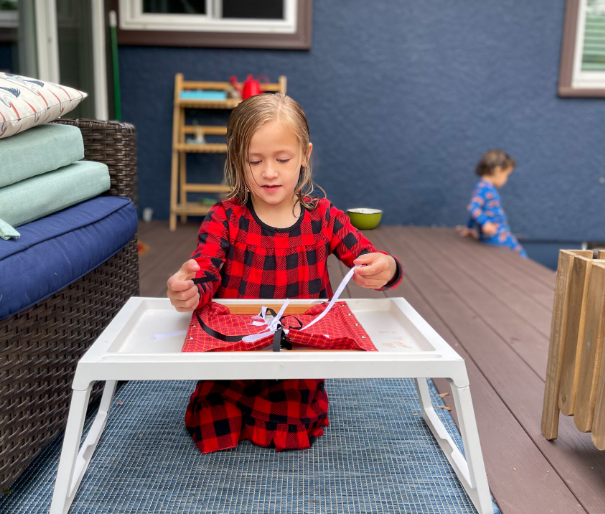
Montessori shoe tying activities play an essential role in early childhood education, promoting independence and fine motor skills. By engaging in these hands-on tasks, children not only learn the practical skill of tying their shoes but also foster patience, concentration, and self-esteem.
1. The Importance of Shoe Tying in Montessori Education
Shoe tying is often an overlooked skill, yet in the Montessori approach, it holds significant value. First, it encourages independence as children learn to manage their own shoes, enhancing their sense of accomplishment. This level of independence can translate into other areas of their lives, making them feel capable and responsible.
Furthermore, shoe tying is an excellent way to refine fine motor skills. Children practice the use of their fingers and hands for intricate movements, which is crucial for developing the dexterity needed for writing and other tasks. The repetitive nature of tying shoes helps reinforce these skills, setting a strong foundation for future learning.
-
- Encourage children to choose their own shoes for practice.
-
- Provide various shoe types to tie (laces, Velcro).
-
- Integrate shoe tying into daily routines, like getting ready for school.
-
- Celebrate successes to build confidence.
2. Montessori Materials for Learning Shoe Tying
Using the right materials can elevate the learning experience. Montessori shoe tying boards are specially designed to aid in this skill. These boards often feature different types of laces and knots to provide children with diverse experiences. Having colorful, engaging materials will stimulate interest and encourage practice.
In addition to boards, simple objects like large buttons, scarfs, or even crafts can make excellent tools for teaching shoe tying. Using everyday items allows children to relate the lesson to real-life situations, enhancing comprehension. Encouraging creativity during practice can also result in greater enthusiasm and ownership of their learning process.
-
- Use a shoe tying board that provides multiple lace types.
-
- Incorporate everyday objects into lessons.
-
- Offer visual aids like step-by-step guides.
-
- Keep materials organized and accessible for repeated use.
3. Step-by-Step Shoe Tying Technique
Teaching children how to tie their shoes can be simplified by breaking it into clear, manageable steps. First, demonstrate the process by using a slow, methodical approach. Explain each step clearly, allowing children time to absorb the information. Visual demonstrations will enhance understanding, especially for younger children who are visual learners.
A suggested method is the “bunny ears” technique, where the child makes two loops (representing the bunny ears) and ties them together. This playful metaphor can make learning more engaging. By practicing this technique repetitively, children will begin to internalize the skill, transitioning from guided assistance to self-sufficiency.
-
- Begin with a demonstration without distractions.
-
- Break down each step and explain it verbally.
-
- Use metaphors, like “bunny ears,” to create interest.
-
- Encourage autonomous practice as confidence builds.
4. Tips for Encouraging Practice at Home
To reinforce shoelace-tying skills, integrating practice into the home environment is crucial. Encourage family members to take part as role models. When children see adults tying shoes, they may feel more motivated to emulate that behavior. Make it a fun family activity instead of a chore.
Additionally, set aside specific times for practice. This could be during morning routines, when getting dressed or even while playing outside. Creating a structured time devoted to practicing will provide children with the repetition needed to master the skill effectively.
-
- Set a consistent practice time in the daily routine.
-
- Involve family members in practice sessions.
-
- Use positive reinforcement when they attempt tying.
-
- Implement playful challenges, like race tying.
5. Overcoming Challenges in Shoe Tying
As with any new skill, children might face challenges while learning to tie their shoes. Some common frustrations include difficulty managing the lace tension or forgetting steps. Addressing these challenges requires patience and encouragement from adults. Remind children that it’s perfectly fine to make mistakes, as learning involves trial and error.
Incorporating fun into the learning process is also key. Games and songs related to shoe tying can make the journey more enjoyable. This positive reinforcement will help children feel more at ease when facing difficulties and build resilience as they continue to practice.
-
- Remain patient and help them through frustrations.
-
- Celebrate small successes with verbal praise.
-
- Utilize songs or rhymes to reinforce steps.
-
- Provide extra support, using their preferred techniques.
In conclusion, Montessori shoe tying activities are not just about mastering a practical skill; they are a pathway to fostering independence, fine motor skills, and self-assurance in children. By incorporating various teaching techniques and materials, parents and educators can create a rich learning environment that encourages children to take charge of their shoelaces. Start practicing today and watch your child’s confidence grow!