
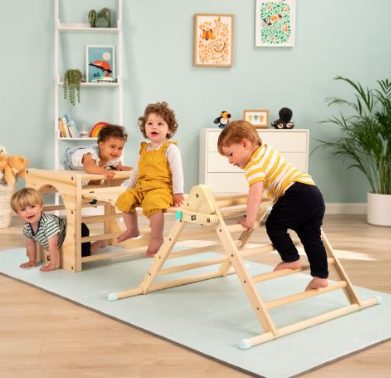
Montessori education emphasizes fostering independence and self-motivation in children. Montessori activities are designed to engage children in a hands-on manner while also teaching them essential life skills. In this blog post, we will explore several Montessori activities that can help nurture your child’s independence.
1. Practical Life Skills Activities
Practical life skills activities are crucial in Montessori education, as they teach children how to perform everyday tasks. Activities such as pouring, sorting, and sweeping not only develop fine motor skills but also instill a sense of accomplishment. For example, setting a table for meals encourages children to take responsibility and understand the nuances of food preparation and dining etiquette.
Another excellent example is gardening. Children can participate in potting plants, watering, and learning about plant care, which enhances their connection to the environment while teaching them the importance of nurturing life. These activities also promote patience, as they need time to see the results of their efforts.
-
- Let children prepare their own snacks.
-
- Provide child-sized tools for cleaning and tidying up.
-
- Encourage participation in cooking sessions.
-
- Create a small garden space for them to manage.
2. Self-Care Routines
Teaching self-care routines in a Montessori setting empowers children to take charge of their own daily needs. Activities such as dressing themselves, brushing their teeth, and washing their hands can significantly boost their self-confidence. Providing accessible clothing options—like shirts with zippers or elastic waistbands—encourages them to dress independently.
In addition to physical self-care, emotional self-care can be nurtured through mindfulness activities, like simple breathing exercises or quiet time on a mat. This encourages children to recognize their feelings and develop coping strategies. Being able to self-soothe is a vital skill that contributes to their overall emotional health.
-
- Use visual aids to create simple morning and evening routines.
-
- Set aside a specific time each day for self-care practices.
-
- Model self-care behaviors consistently.
-
- Encourage children to pick their outfits.
3. Problem-Solving Challenges
Problem-solving activities are fundamental to developing independence. These challenges encourage children to think critically and arrive at their own solutions. For instance, setting up a simple obstacle course in the yard can aid in developing spatial awareness while fostering resilience as children learn to navigate different challenges on their own.
Another example includes matching games with everyday objects. Have children match socks, utensils, or even puzzle pieces, which reinforces logic and organization. This variety in play promotes cognitive skills as well as the ability to work through problems independently, providing them with a sense of achievement.
-
- Create scavenger hunts to find everyday items.
-
- Encourage open-ended play with building blocks or construction sets.
-
- Set simple puzzles that they can complete alone.
-
- Ask guided questions to help them think through problems.
By engaging in these Montessori activities, children learn skills that prepare them for real-world situations. They not only gain independence but also develop crucial social, emotional, and cognitive skills. Implementing these activities at home can be a great way to continuously foster a child’s growth.
As you embrace Montessori activities for your child, remember that the journey to independence is gradual and should be tailored to their pace. Celebrate small achievements, and think of new ways to challenge them further. Your active participation is key in fostering their growth into independent, confident individuals.