
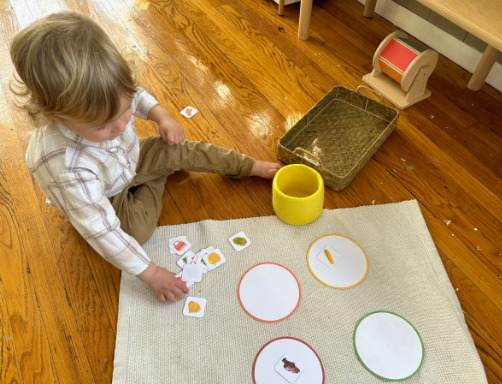
Montessori sensory activities engage young children through hands-on learning and play, emphasizing exploration through the senses. These activities not only enhance sensory development but also promote enthusiasm for learning. If you’re looking for practical ways to introduce sensory play to your toddlers, read on!
1. Nature and Outdoor Sensory Exploration
Taking toddlers outside for sensory exploration helps them connect with nature and develop their senses. Simple activities such as a nature scavenger hunt allow children to feel different textures, see various colors, and listen to natural sounds. For instance, consider a walk where kids collect leaves of different shapes or observe the sound of rustling grass in the wind.
Another great outdoor sensory activity is creating a sensory garden. This involves planting various herbs and flowers that have distinct smells, textures, and colors. Children can touch the soft petals of a pansy or feel the rough bark of a tree. Each plant introduces a new sensory experience, fostering curiosity and engagement with their surroundings.
-
- Plan regular outdoor excursions to local parks or nature reserves.
-
- Create a checklist of items for toddlers to find on their nature walks.
-
- Encourage open-ended questions to stimulate discussion about their discoveries.
-
- Consider a designated sensory garden area at home.
-
- Prioritize safety; supervise toddlers closely during outdoor activities.
2. Homemade Sensory Play Materials
Creating homemade sensory materials is both cost-effective and fun. Items like sensory bins filled with rice, beans, or water beads can captivate toddlers for hours. You can customize the contents of the bin—adding scoops, small toys, or funnels—encouraging exploratory play while enhancing fine motor skills.
Another popular sensory play material is homemade playdough. This classic activity allows children to manipulate textures while fostering creativity. You can easily make it at home using flour, salt, water, and food coloring. Adding different scents like vanilla or peppermint can further enrich the sensory experience.
-
- Choose materials that are safe and non-toxic for toddlers.
-
- Regularly rotate sensory bin contents to maintain interest.
-
- Involve toddlers in creating playdough to enhance their engagement.
-
- Use food color or scented oils in homemade playdough for added sensory appeal.
-
- Incorporate themes (e.g., ocean, garden) to make sensory bins more exciting.
3. Sensory Activities for Fine Motor Development
Sensory activities not only engage toddlers but also significantly contribute to their fine motor skills. Activities such as sorting small beads or pom-poms by color or size require children to use their fingers and develop precision. These tasks are simple yet effective, promoting hand-eye coordination and concentration.
Another effective activity is using tweezers or tongs to transfer items. You can set up a bin of different items like pasta or cotton balls and challenge the toddlers to pick them up using the tongs. This not only builds their fine motor skills but also makes them aware of various sizes and textures.
-
- Choose items that are appropriate size for small hands.
-
- Incorporate themed sorting activities based on colors or shapes.
-
- Encourage cooperative play by allowing toddlers to work in pairs.
-
- Always supervise fine motor activities, especially when using tools.
-
- Mix sensory play with counting or simple math to enhance learning.
Engaging toddlers in Montessori sensory activities provides invaluable experiences that facilitate learning through exploration. By nurturing their senses, you not only enhance their development but also create lasting memories. Take these ideas, integrate them into your daily routine, and watch your child’s fascination with the world bloom!