
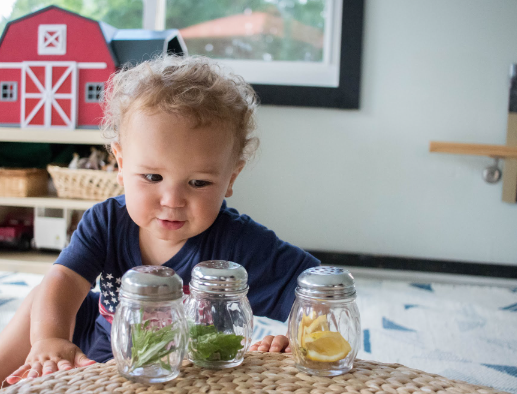
Montessori sensorial activities are essential in a child’s development, helping them to refine their senses and understand the world around them. These activities engage children in hands-on learning experiences that stimulate curiosity and enhance cognitive skills.
1. Understanding the Importance of Sensorial Activities
Sensorial activities help children distinguish between different sensory inputs, such as sights, sounds, tastes, and textures. By focusing on their senses, children can better process and interpret the vast amount of information they encounter each day. For example, activities involving color tablets allow children to explore concepts of hue and shade, enhancing their visual discrimination.
Additionally, sensorial activities foster independence and confidence in young learners. When children manipulate items that promote sensory exploration, they practice decision-making skills and develop a sense of accomplishment. A simple exercise like sorting sound boxes introduces auditory cues while allowing children to take ownership of their learning journey.
-
- Incorporate varied colors, textures, and sounds into activities.
-
- Encourage children to describe their sensory experiences.
-
- Be patient as they explore at their own pace.
-
- Use natural materials to enhance sensory input.
2. Practical Examples of Montessori Sensorial Activities
One well-known Montessori sensorial activity is the Pink Tower. This involves stacking ten pink cubes of varying sizes. Not only does this activity promote visual discrimination, but it also teaches concepts of size, balance, and spatial awareness. Children gain mastery over their fine motor skills as they learn to manipulate and balance the cubes, creating paths of discovery within their environment.
Another engaging activity is the Sound Boxes. These are sets of boxes filled with varying materials, such as beads, rice, or sand, which make different sounds when shaken. Children can match sound pairs or explore individual sounds to enhance their auditory skills. This activity not only sharpens listening skills but also introduces concepts of rhythm and volume, adding layers to their sensory education.
-
- Integrate different activities based on the child’s interests.
-
- Set up clear and organized materials for easy access.
-
- Encourage free exploration before structured activities.
-
- Facilitate discussions about their experiences afterward.
3. Incorporating Sensorial Activities into Daily Routines
Incorporating sensorial activities doesn’t require a special classroom. Parents can easily adapt them for home environments. For instance, kitchen activities such as preparing food can involve various textures and tastes, offering rich sensory engagement while teaching practical life skills. Simple tasks like peeling fruits or measuring ingredients can sharpen a child’s sense of touch and smell.
Outdoor walks are another excellent opportunity for sensory exploration. Encourage children to observe and interact with their surroundings: listening to birds, feeling different textures of leaves, and identifying colors in nature. Such activities not only stimulate their senses but also instill an appreciation for the natural world, paving the way for a holistic educational experience.
-
- Plan regular outdoor exploration for sensory engagement.
-
- Involve the child in daily chores as learning experiences.
-
- Create designated sensory stations at home.
-
- Rotate materials frequently to maintain interest.
Montessori sensorial activities play a crucial role in developing a child’s senses and understanding of the world. By integrating these engaging activities into daily life, you can enrich your child’s learning experiences. Start including these simple, yet effective activities today, and watch your child’s confidence and curiosity blossom.