
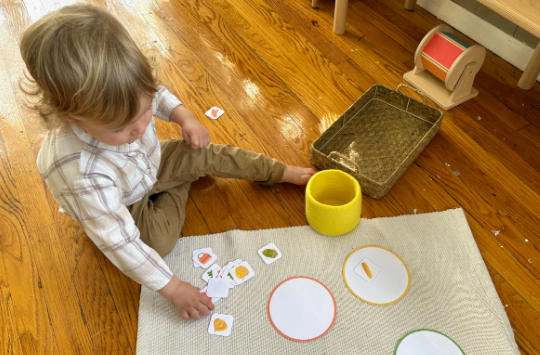
Montessori education emphasizes hands-on learning and self-directed activity, making it an ideal approach for children. Through carefully curated work activities, children can develop essential skills and foster a love for learning. Here are some engaging Montessori work activities you can introduce at home or in a classroom setting.
1. Practical Life Activities
Practical life activities are a cornerstone of the Montessori method, focusing on real-world tasks that enhance motor skills and independence. These activities allow children to learn through everyday experiences—like pouring, washing, and cooking—which develop concentration and coordination. For example, setting up a ‘kitchen station’ where kids can safely practice washing vegetables not only teaches them about food preparation but also instills a sense of responsibility.
Another great practical life activity is caring for plants. Children can learn about the needs of a plant—like sunlight and water—by taking turns watering and observing growth. These simple tasks contribute to a child’s sense of self-reliance and organizational skills, setting a foundation for more complex tasks as they grow.
-
- Gather materials like small containers, sponges, and kitchen tools.
-
- Create a dedicated space for practical life activities.
-
- Encourage children to choose their tasks and complete them independently.
-
- Rotate activities regularly to maintain interest and challenge them.
2. Sensorial Activities
Sensorial activities in Montessori education help children refine their senses and enhance their perception of the world. These activities involve a variety of materials that stimulate sight, sound, touch, taste, and smell. An excellent example is setting up a color sorting station where children can categorize objects based on colors. This task not only enhances visual discrimination but also fine motor skills through the act of sorting.
Another engaging sensorial activity is creating a sound matching game using various musical instruments. Children can listen to different sounds and match them with corresponding objects or cards. This activity not only sharpens their auditory discrimination but also encourages social interaction when played in a group setting. Sensory experiences are essential for cognitive development, as they encourage exploration and curiosity.
-
- Select a variety of objects with different textures or sounds.
-
- Design age-appropriate sensorial activities to match skill levels.
-
- Encourage exploration and discussion about sensory experiences.
-
- Incorporate natural materials for a richer sensory experience.
3. Creative Expression Activities
Encouraging creative expression through art and music is vital in Montessori education, allowing children to express emotions and thoughts freely. Art activities like painting with different tools (brushes, sponges, or even fingers) not only spark creativity but also improve fine motor skills as children experiment with colors and techniques. Providing choices, such as clay modeling or collage-making, empowers children to explore their artistic inclinations.
Music and movement are equally important in fostering creative expression. Activities like dancing to various music styles or utilizing simple instruments can stimulate rhythm awareness and self-expression. This approach helps build confidence and encourages children to express their feelings through different mediums, allowing them to discover more about themselves in the process.
-
- Provide materials such as watercolors, clay, or recycled art supplies.
-
- Encourage open-ended projects to foster creativity.
-
- Integrate music and movement into daily routines.
-
- Plan regular art and music sessions to maintain engagement.
4. Language and Literacy Activities
Language development is essential in a child’s early years, and Montessori activities can create an enriching environment for this growth. Activities like creating a word wall using images can help children associate letters with sounds and meanings. You can involve children in simple storytelling sessions where they can express their thoughts verbally, which bolsters communication skills.
Another engaging literacy activity involves using phonetic objects to build vocabulary. By presenting objects that start with different sounds, children can match them with corresponding letters and learn through play. This hands-on approach makes language learning both interactive and enjoyable, catering to different learning styles and encouraging kids to explore language in depth.
-
- Incorporate books in various genres for diverse reading experiences.
-
- Use phonetic cards or objects for hands-on learning.
-
- Engage in storytelling sessions, asking open-ended questions.
-
- Provide a comfortable reading nook that invites exploration.
5. Cultural and Scientific Activities
Cultural and scientific activities can broaden children’s horizons by exposing them to the diverse world around them. Simple geography studies, such as mapping different countries and discussing their cultures, can spark interest in diversity and inspire curiosity about global communities. Using puzzles of the world map can engage children in learning about continents and countries, making it visually interactive and educational.
Science can also be explored through hands-on experiments. Basic activities, like growing crystals or observing the lifecycle of plants, captivate children’s attention and encourage them to ask questions. These activities foster critical thinking and inspire a sense of wonder about the natural world, highlighting the importance of observation and inquiry in learning.
-
- Utilize maps and globes for geographical learning.
-
- Plan simple experiments that can be conducted safely at home or in class.
-
- Encourage questions about different cultures and species.
-
- Incorporate field trips or virtual tours to enhance learning experiences.
Montessori work activities offer a multitude of benefits in fostering independence, curiosity, and critical thinking in children. By incorporating these engaging activities into daily routines, you can nurture a lifelong love for learning. Start today by integrating one or more of these activities into your child’s life, and watch them flourish!