
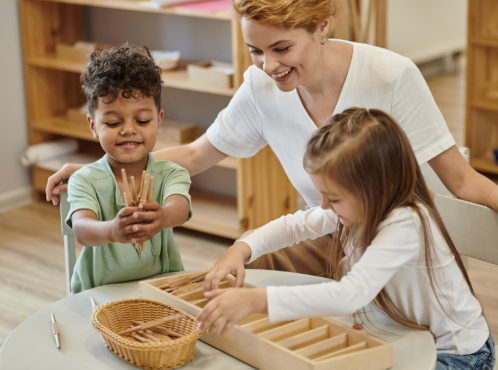
Engaging children in Montessori-inspired activities at home can foster independence, curiosity, and a love for learning. By creating an environment that encourages exploration and hands-on experiences, parents can enhance their child’s development in a fun and meaningful way.
1. Practical Life Activities
Practical life activities are at the heart of the Montessori method, helping children develop everyday skills while fostering concentration and coordination. These tasks might involve pouring water, sorting objects, or even preparing snacks. By incorporating these activities into daily routines, you’re allowing your child to gain self-confidence and a sense of accomplishment.
To get started, consider setting up a small area where your child can safely engage in these tasks. Use child-sized tools and equipment to make the experience more authentic. For example, have a dedicated space for pouring activities with small pitchers and cups. As they practice, they’ll hone their motor skills and learn about responsibility.
-
- Set up a designated area for practical life activities.
-
- Use child-sized tools to empower independence.
-
- Incorporate everyday tasks like folding laundry or setting the table.
-
- Allow children to choose activities, fostering autonomy.
-
- Encourage them to complete tasks thoroughly without rushing.
2. Sensory Experiences
Sensory experiences are vital for young children as they help them explore their environment and develop their senses. Create sensory bins filled with materials such as rice, beans, or sand. You can add various tools like scoops, cups, and small toys for an interactive sensory experience that also aids fine motor skill development.
Additionally, consider themed sensory activities based on seasons or holidays. For instance, create a fall-themed bin with acorns, leaves, and pumpkins. As your child engages with the materials, encourage them to describe their observations, enhancing their vocabulary and comprehension skills.
-
- Choose different themes for sensory bins to keep things interesting.
-
- Incorporate both unique and familiar materials.
-
- Encourage open-ended play for limitless exploration.
-
- Rotate materials regularly to maintain engagement.
-
- Ask open-ended questions to spark discussion and curiosity.
3. Creative Arts and Crafts
Encouraging creativity through arts and crafts is a fundamental aspect of Montessori education. Provide your child with a variety of materials like paper, crayons, and natural elements such as leaves and twigs. Allow them to explore their creativity without the pressure of perfection, focusing instead on the process of creating.
Create a dedicated art space where supplies are easily accessible. You can introduce themed projects like making collages or painting seasonal scenes. Remember, the key is to let your child lead the creative process and make choices regarding colors and techniques, which promotes self-expression and decision-making skills.
-
- Stock your art area with diverse materials like paints, markers, and natural objects.
-
- Encourage free expression without specific instructions.
-
- Introduce varied themes to inspire creativity.
-
- Display their artwork around the home to build confidence.
-
- Plan craft sessions to foster a healthy routine.
4. Nature Exploration
Connecting with nature is vital for children’s development, and it can be easily incorporated into your home routine. Organize nature walks or backyard explorations where children can collect leaves, stones, or even flowers. This not only promotes physical activity but also provides endless learning opportunities about living things and their environments.
Another great idea is to start a small garden, which can be an incredible hands-on learning experience. Children can learn about planting seeds, watering, and caring for their plants. Through this process, they’re introduced to concepts of growth, change, and responsibility, linking them to the natural world around them.
-
- Plan regular nature walks to explore local parks or gardens.
-
- Encourage collecting natural items for sorting or crafting.
-
- Start a small garden for hands-on learning about plants.
-
- Use opportunities for observation and discussion about nature.
-
- Promote outdoor play to enhance physical health.
Incorporating Montessori-inspired activities at home can significantly benefit your child’s development. Emphasizing independence, creativity, and engagement with the natural world lays a foundation for lifelong learning. Start integrating these activities today, and watch your child’s growth unfold as they explore their environment with curiosity and confidence.