
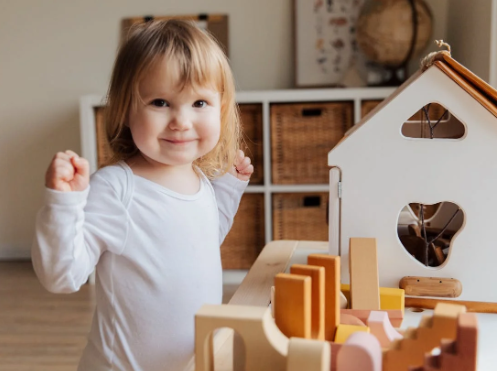
In our increasingly digital world, fostering creativity and critical thinking in children can often feel like a challenge. Screen-free Montessori activities provide a wonderful alternative, engaging children in hands-on learning that nurtures their development in a natural way.
1. Practical Life Skills
Practical life skills are a cornerstone of the Montessori method, emphasizing the importance of real-life tasks in child development. These activities help children gain independence, boost confidence, and enhance their fine motor skills. Simple tasks such as pouring water, sorting objects, or folding napkins can make learning both fun and meaningful.
For example, setting up a “kitchen corner” with child-sized kitchen tools allows little ones to imitate adults in a safe manner. They can practice washing vegetables, peeling, or even assembling simple snacks. This not only develops their culinary skills but also teaches them about nutrition and responsibility in the kitchen.
-
- Choose age-appropriate tasks that encourage independence.
-
- Set up a dedicated space for practical life activities.
-
- Provide guidance but allow for exploration and mistakes.
-
- Incorporate simple cooking or gardening projects.
2. Sensorial Exploration
Sensorial exploration activities engage children’s senses and aid in cognitive development. Through these activities, children learn to observe, compare, and categorize, enhancing their understanding of the world around them. Activities like sorting by texture, color, or size can spark significant interest and curiosity.
One fun idea is creating a “mystery bag” filled with various textured objects, such as smooth stones, soft fabrics, or bumpy toys. Children can reach in, feel the items, and describe them without looking. This not only stimulates their sensory perceptions but also encourages language development as they learn to articulate their observations.
-
- Utilize common household items for sensory exploration.
-
- Encourage open-ended questions to stimulate conversation.
-
- Rotate materials to maintain interest and challenge skills.
-
- Create themed sensory bins for focused exploration.
3. Art and Creativity
Art and creativity in a Montessori environment are integral for self-expression and imaginative thinking. Providing opportunities for unstructured artistic activities allows children to explore their imaginations freely. Materials such as clay, natural paints, and recycled craft items can inspire creativity without the constraints of digital tools.
For instance, setting up an outdoor art station using natural materials can be a delightful adventure. Kids can gather leaves, stones, and twigs, and use these items for collage-making or painting. This actively connects them to nature and promotes innovative thinking while enjoying the creative process.
-
- Provide various materials for creative expression.
-
- Encourage exploration without fear of making mistakes.
-
- Integrate nature into art projects for a holistic approach.
-
- Exhibit children’s artwork to validate their efforts.
4. Physical Activities and Movement
Physical activities are essential for healthy development and can easily fit into a screen-free routine. The Montessori method values movement as it promotes coordination, balance, and spatial awareness. Outdoor play, obstacle courses, and simple games not only provide exercise but also encourage teamwork and social skills among peers.
Creating an obstacle course using cushions, chairs, and ropes can be an exciting way to engage children. This kind of playful activity helps them develop gross motor skills while also reinforcing problem-solving as they figure out how to navigate the course. Additionally, incorporating music for a dance session can further enhance their physical engagement and enjoyment.
-
- Design age-appropriate obstacle courses for safe fun.
-
- Include music and movement activities, like dance parties.
-
- Encourage group games for social interaction.
-
- Incorporate daily outdoor playtime in the schedule.
5. Nature-Based Learning
Spending time in nature has a multitude of benefits for children, from improving their emotional well-being to enhancing cognitive skills. Nature-based learning activities foster a deep connection with the environment, promoting curiosity and respect for the world around them. Engaging in outdoor exploration encourages children to observe, question, and learn through direct experience.
One effective method is to create a “nature scavenger hunt,” where kids search for items such as specific leaves, different rocks, or certain flowers. This helps them recognize patterns and diversity in nature while boosting their observational skills. Moreover, documenting their findings through sketches or notes can promote reflection and creativity.
-
- Organize regular nature walks with a specific focus.
-
- Create themed scavenger hunts for deeper exploration.
-
- Encourage nature journaling to record observations.
-
- Introduce simple science experiments using natural materials.
In conclusion, integrating screen-free Montessori activities into your child’s routine can foster their growth and development in meaningful ways. By nurturing practical skills, creativity, and connection to nature, you help cultivate a well-rounded individual. Start incorporating these activities today and watch your child thrive in an enriching, engaging environment.