
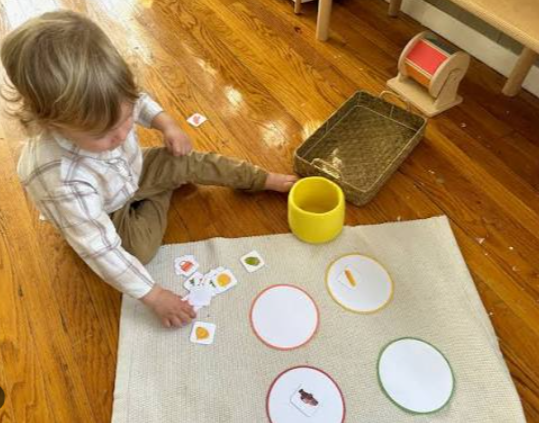
Montessori education emphasizes learning through hands-on experiences and promoting independence in children. For toddlers, morning activities can set a positive tone for the day, allowing them to explore and learn at their own pace. Here are some engaging Montessori morning activities that you can easily adapt at home.
1. Practical Life Activities
Practical life activities are a cornerstone of the Montessori approach, allowing toddlers to develop fine motor skills and independence. Simple tasks such as pouring, spooning, or tying shoelaces not only engage their concentration but also foster self-reliance. You can set up a small activity station where your toddler can practice these skills with child-sized tools.
For example, provide a set of cups and a pitcher filled with water for pouring activities. This helps with coordination and control while teaching the importance of taking care of materials. As they master these skills, they build confidence in their ability to perform tasks independently.
-
- Choose a variety of tasks that require different motor skills.
-
- Use real tools that are child-sized for safety and practicality.
-
- Encourage clean-up after completing each task to instill responsibility.
-
- Be patient and allow them to work at their own pace.
-
- Demonstrate the activity first before letting them try.
2. Sensorial Activities
Sensorial activities are designed to stimulate a child’s senses and help them refine their ability to observe and categorize. Incorporating a range of materials, such as textures, colors, and sounds, provides a rich sensory experience. You might set up a sensory bin filled with various materials such as rice, beans, or sand to explore different textures and weights.
Another engaging option is a color-sorting activity, where your toddler can match colored objects with corresponding color cards. This not only strengthens their understanding of colors but also boosts their cognitive skills as they learn to differentiate and categorize items.
-
- Introduce new sensory materials slowly to avoid overwhelming them.
-
- Encourage descriptive language as they explore (e.g., “What does it feel like?”).
-
- Rotate materials regularly to keep the activities fresh and interesting.
-
- Keep a notebook or chart to track their discoveries and observations.
-
- Make it a community activity where they can invite friends or siblings to join.
3. Language and Literacy Activities
Language development is a crucial aspect of early childhood education. Incorporating meaningful language activities into your toddler’s morning routine can greatly enhance their vocabulary and communication skills. Start by reading a variety of books together, pointing out pictures and asking questions to stimulate conversation.
Another effective activity is to create a “language basket” filled with items that have names starting with the same letter. This can spark discussions about phonetics and words, allowing your toddler to engage in language learning during playtime. The more interactive the experience, the more effective it will be for their development.
-
- Choose books that reflect your child’s interests for better engagement.
-
- Include a variety of words, like nouns, verbs, and adjectives, in everyday conversations.
-
- Encourage them to express their thoughts and feelings through language.
-
- Use songs and rhymes to make learning fun and memorable.
-
- Make reading a consistent part of your morning routine.
4. Movement and Outdoor Time
Physical activity is essential for toddlers, as it contributes to their overall health and well-being. Integrating outdoor free play into your morning routine can provide the necessary movement and exploration they need. Simple activities like climbing, hopping, or running help develop gross motor skills while giving them the freedom to explore their environment.
Additionally, consider organizing a nature scavenger hunt where your toddler can search for specific items like leaves, rocks, or flowers. This not only encourages physical movement but also deepens their connection with nature and the world around them.
-
- Set aside ample time in the morning for uninterrupted play.
-
- Choose safe and age-appropriate outdoor spaces.
-
- Encourage exploration and curiosity about their surroundings.
-
- Include prompts or questions to engage their mind while they play.
-
- Consider cooperative games that involve teamwork and communication.
5. Creative Arts and Crafts
Encouraging creativity is vital in a child’s development, and morning arts and crafts activities provide an excellent outlet for self-expression. Simple projects like painting, drawing, or even collage-making can spark your toddler’s imagination. Use natural materials, such as leaves or flowers, for a nature-themed craft to add an educational twist to the activity.
Not only does this foster creativity, but it also allows children to practice fine motor skills through cutting, gluing, and coloring. Set up a dedicated space for these arts and crafts, where they can have easy access to materials and let their imaginations run wild.
-
- Ensure all materials are safe and non-toxic for toddlers.
-
- Keep materials organized and easily accessible for independent use.
-
- Encourage them to express themselves without worrying about perfection.
-
- Display their artworks to build confidence and pride.
-
- Incorporate themes or seasonal changes into their projects.
Montessori morning activities for toddlers can create a nurturing and stimulating environment that fosters independence and learning. By incorporating these engaging activities into your routine, you can help your child develop vital skills while enjoying the beauty of exploration. Take a moment to reflect on how you can implement these ideas at home and watch your toddler thrive!