
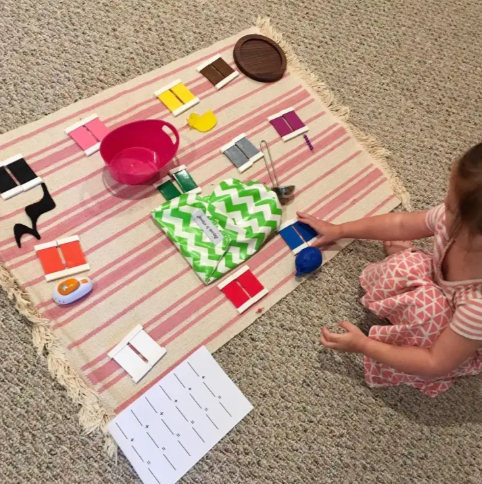
High-energy kids often require engaging activities that stimulate both their minds and bodies. Montessori activities align perfectly with their need for movement, exploration, and innovation. Here are some enriching Montessori activities designed to channel your child’s energy in constructive and educational ways.
1. Nature Walks with a Purpose
One of the best ways to burn off excess energy is through outdoor exploration. A nature walk can be transformed into a purposeful educational activity by incorporating various tasks. For instance, provide your child with a checklist of items to find, such as specific leaves, rocks, or bugs. This not only keeps them moving but also enhances their observational skills and connection with nature.
On your walks, encourage discussions about the different plants and animals you observe. You can explore subjects like local ecosystems or the changing seasons. These intentional conversations can captivate a child’s imagination while fostering a love for the outdoors and a sense of responsibility for the environment.
-
- Choose a route that includes diverse landscapes.
-
- Bring a field guide to help identify flora and fauna.
-
- Encourage journaling about their discoveries.
-
- Incorporate simple science experiments, like examining soil.
-
- Set aside time for reflective discussions after the walk.
2. Movement-Based Learning Stations
Creating movement-based learning stations can be an exciting way to cater to high-energy kids. Set up various areas in your home or yard that focus on different skills, such as balance, coordination, and fine motor skills. For example, you might have a jumping station with a trampoline or a hula-hooping corner that allows them to release energy while engaging in physical activity.
Each station can be tied to educational concepts, like counting jumps or measuring distances. By integrating learning into activity, children remain engaged while they exercise. Consider rotating the stations every few weeks to maintain interest and keep the challenges fresh.
-
- Identify key skills to develop (balance, agility, coordination).
-
- Incorporate educational themes related to each station.
-
- Use everyday items that can serve multiple functions.
-
- Allow for free play while monitoring safety.
-
- Encourage peer participation to enhance social skills.
3. Hands-On Art Projects
Art projects that involve movement can harness the energy of active kids while allowing for self-expression. Consider using large canvases, outdoor easels, or even sidewalk chalk to let them create expansive pieces. Projects like splatter painting can be particularly engaging, as they combine action with creativity and can be executed in a physically liberating space.
You can also incorporate recycling into your art projects by using natural materials like leaves and stones, or items found during nature walks. This not only fosters a love for art but also teaches children about repurposing and environmental stewardship.
-
- Establish a designated art space outdoors.
-
- Use large sheets of paper or canvases for free movement.
-
- Incorporate music to inspire creativity.
-
- Encourage thematic art based on seasons or interests.
-
- Utilize materials from nature to enhance eco-awareness.
4. Sensory Play Activities
High-energy children often benefit significantly from sensory play, which can be both calming and stimulating. Incorporate activities that use various textures, colors, and smells. A simple sensory bin filled with rice, beans, or water beads can provide hours of hands-on exploration. Allow children to pour, scoop, and manipulate materials in a way that encourages both fine motor development and creativity.
You can also develop sensory gardens where kids can explore herbs, flowers, and textured plants. Encourage activities like plant care, taking care of their sensory garden helps teach responsibility while being physically active, fostering a deeper understanding of nature’s beauty.
-
- Create a schedule for sensory play to keep it structured.
-
- Rotate materials in sensory bins regularly to maintain interest.
-
- Incorporate creative themes (e.g., beach, jungle).
-
- Include liquids like water or bubble solution for additional tactile experiences.
-
- Supervise closely during messy activities, if required.
Engaging high-energy kids through Montessori activities can turn their enthusiasm into positive learning experiences. By incorporating outdoor exploration, movement-based learning, art, and sensory play, you create an environment that supports their natural energy and curiosity. Consider trying out these activities to unleash your child’s potential and encourage a lifelong love for learning.