
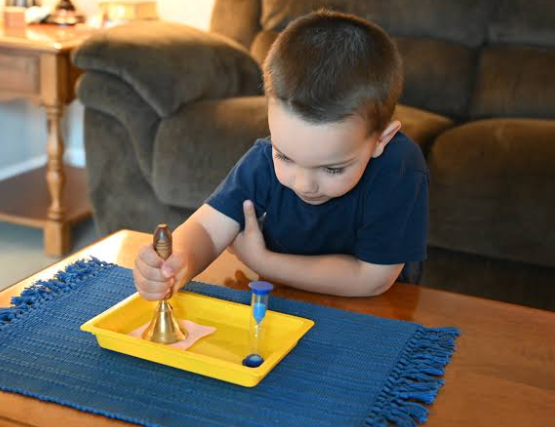
Engaging children in calm play is essential for their emotional and developmental well-being. Montessori activities provide an ideal framework, promoting self-directed learning and independence. Here are some practical Montessori activities that can enhance calm playtime for children, fostering a serene environment for both parents and kids.
1. Practical Life Skills
Practical life skills activities are designed to help children manage their everyday tasks, encouraging focus and coordination. Activities like pouring, sorting, and cleaning not only empower children but also instill a sense of responsibility. For example, pouring water from one container to another requires concentration and promotes fine motor skills, perfectly suited for calm playtime.
Additionally, you can introduce activities like flower arranging or table setting. These tasks allow children to express creativity while learning important skills. They can explore textures, colors, and shapes as they select flowers or arrange utensils. Each activity contributes to a peaceful state of mind as children immerse themselves in focused tasks.
-
- Set up a dedicated space with safe materials.
-
- Include a variety of practical life activities.
-
- Encourage independent work, guiding them only when necessary.
-
- Limit distractions in the environment.
2. Nature Exploration Activities
Connecting with nature can be a calming experience for children. Nature exploration activities like collecting leaves, stones, or flowers can be organized into a fun, structured process. Children can examine their finds through magnifying glasses or create a nature collage, which encourages mindfulness and appreciation for the outdoors.
Further, sensory experiences such as sand, water play, or even gardening offer children an opportunity to engage in calm, therapeutic play. Activities like planting seeds or watering plants can nurture a child’s sense of responsibility while presenting a chance to learn about growth and environmental stewardship.
-
- Organize a nature scavenger hunt.
-
- Provide tools for safe exploration, like magnifying glasses.
-
- Encourage discussions about their findings.
-
- Involve children in a gardening project.
3. Mindful Movement Activities
Mindful movement activities encourage children to express themselves physically while maintaining a calm demeanor. Yoga and simple stretching exercises can be incorporated into daily routines. You might introduce themed yoga sessions based on animals or plants, tapping into imagination while helping kids develop body awareness and relaxation techniques.
Additionally, movement activities such as dancing, walking on a balance beam, or even playing with a hula hoop have similar benefits. These activities promote balance and coordination while allowing children to release energy in a structured way, enhancing focus and calmness. Providing different options enables children to choose what feels good for them during playtime.
-
- Incorporate short yoga sessions into daily activities.
-
- Make use of music to create a calming atmosphere.
-
- Utilize props like mats or balance beams.
-
- Encourage free exploration of movement at their own pace.
4. Artistic Expression Activities
Artistic expression serves as an important outlet for emotions and encourages calm play. Set up an art corner with materials like colored pencils, watercolors, and clay. Allow children to explore their creativity without the constraints of specific instructions. This freedom leads to a more relaxed atmosphere as they become absorbed in their creative process.
You can also suggest guided art projects that focus on nature themes or abstract concepts. Engaging with seasonal themes, like autumn leaves or spring flowers, allows children to connect with their environment while expressing their feelings. Finishing and displaying their art can instill a sense of pride and accomplishment, further contributing to their calm play experience.
-
- Stock the art station with varied materials.
-
- Create themed art projects based on seasons or emotions.
-
- Provide relaxation music during art sessions.
-
- Encourage sharing their artwork with family.
5. Sensory Play Activities
Sensory play offers a multi-dimensional approach to calm play. Using materials like rice, beans, or playdough allows children to explore different textures in a soothing manner. Set up sensory bins filled with these materials, along with tools for scooping and pouring to encourage engagement without overwhelming stimulation.
Additionally, calming sensory activities like water beads or sensory bottles can promote relaxation and focus. Children can shake, pour, or manipulate these items, engaging their senses in a peaceful way. Building a routine around sensory play can create a comforting shelter for children to retreat to during chaotic times.
-
- Introduce a variety of safe sensory materials.
-
- Designate a specific area for sensory play.
-
- Limit group play to reduce competition or chaos.
-
- Incorporate calming music or quiet sounds during playtime.
Encouraging calm play using Montessori activities offers numerous benefits for both children and caregivers. Fostering a routine that includes these mindful choices can significantly improve emotional regulation and create a serene atmosphere. Take the next step by incorporating some of these activities into your child’s routine and watch their engagement and focus flourish.