
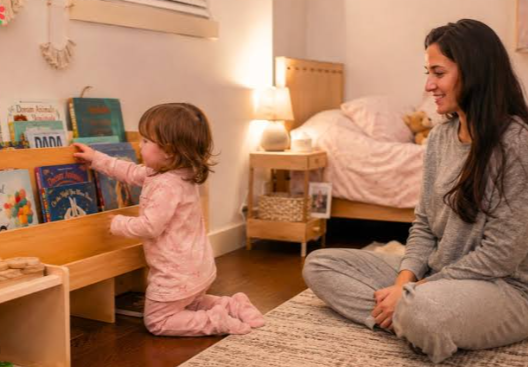
Bedtime can often feel like a challenge for parents, filled with struggles over screens and lack of enthusiasm for winding down. Incorporating Montessori principles into bedtime activities not only fosters independence and responsibility in children but also creates a serene and enjoyable transition to sleep. Here are some engaging activities to consider.
1. Create a Bedtime Routine Together
One of the fundamental aspects of the Montessori approach is allowing children to participate in decision-making. Involve your kids in creating a personalized bedtime routine. Gather together and list activities like brushing teeth, reading stories, and dimming the lights. This collaborative effort makes children feel valued and invested in their routine.
Once a routine is established, put it into practice consistently. Children thrive on predictability, and a structured routine signals that it’s time to unwind. You might even provide them with a visual schedule, using pictures to represent each activity. This adds an extra layer of engagement, making the routine a fun activity in itself.
-
- Involve your child in selecting bedtime activities.
-
- Create a visual schedule to illustrate the routine.
-
- Be consistent with the routine to help your child feel secure.
-
- Encourage your child to take responsibility for parts of the routine.
-
- Adjust the routine as needed to keep it engaging.
2. Mindful Storytime
Storytime is a quintessential part of many bedtime routines, but it can be transformed into a special mindful experience. Choose books that align with Montessori principles, opting for stories that reflect kindness, nature, and everyday experiences. As you read, encourage your child to express their thoughts or feelings about the story, promoting emotional connection.
In addition to reading, incorporate quiet discussions about the book’s themes. You might ask questions like, “What do you think the character was feeling?” or “How would you solve their problem?” This engagement encourages critical thinking and empathy while serving as a soothing transition into sleep.
-
- Select age-appropriate books with positive themes.
-
- Encourage your child to discuss the story afterward.
-
- Make the reading space cozy with dim lights and soft cushions.
-
- Use expressive voices and gestures while reading to enhance engagement.
-
- Incorporate books that allow for follow-up discussions the next day.
3. Calm Down Corner Exploration
Creating a “Calm Down Corner” or a quiet space within your home can be a sanctuary for your child at bedtime. This space should be filled with items that promote relaxation—think soft pillows, calming bottles, sensory toys, or even art supplies. Encourage your child to visit this corner before bed to engage in quiet activities, reinforcing the idea that winding down is both necessary and enjoyable.
As part of this activity, leave room for creativity. Children can engage in low-energy crafts such as coloring, building with soft blocks, or even practicing gentle yoga stretches. This not only gives them a chance to express themselves but helps them release any pent-up energy, leading to a more peaceful night’s sleep.
-
- Designate a specific area as the Calm Down Corner.
-
- Include calming items your child enjoys, like pillows and toys.
-
- Encourage them to spend a few minutes in this space before bed.
-
- Incorporate quiet activities such as coloring or light stretching.
-
- Make this space visually appealing with soft lighting or decorations.
4. Nature Connection
The Montessori philosophy emphasizes the importance of the natural world. Incorporate elements of nature into your nighttime routine to foster a sense of wonder and tranquility. This could involve simple activities such as observing the stars or listening to the calming sounds of nature while winding down.
You can also introduce nature-themed crafts, such as creating art using leaves or stones collected during the day. Discuss how different elements of nature contribute to the environment. This reflection not only nurtures a sense of curiosity but also promotes a deeper connection to the world around them, helping to calm their minds before sleep.
-
- Go for a brief evening walk to observe nature at dusk.
-
- Encourage children to collect natural items to use for crafts.
-
- Discuss the importance of nature and its calming effects.
-
- Listen to soothing nature sounds or soft music while winding down.
-
- Share stories about animals or trees before bed to ignite their imagination.
5. Journaling or Reflection
Incorporating journaling or reflection into bedtime routines invites children to express their thoughts and feelings. Provide them with a special notebook where they can doodle or write about their day. This activity allows children to process their experiences, fostering emotional intelligence and self-awareness.
Encourage your child to jot down three things they are grateful for or moments that made them smile. This not only helps promote a positive mindset but can also serve as a calming pre-bedtime activity. Be sure to join them during this time to foster connection and share your reflections as well.
-
- Provide a special notebook dedicated to bedtime journaling.
-
- Encourage creative expression through drawing or writing.
-
- Ask your child to share their reflections with you.
-
- Incorporate gratitude practice into the journaling routine.
-
- Make it a bonding activity by sharing your own reflections.
By implementing Montessori bedtime activities, you can not only ease the transition to sleep but also enrich your child’s development in various ways. Choose a few strategies that resonate with your family and make them a consistent part of your evening routine. These small changes can lead to a more peaceful and fulfilling bedtime experience for everyone involved.