
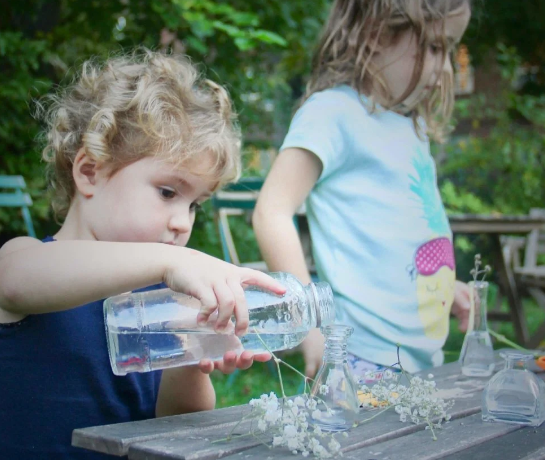
Summer is a wonderful time for children to explore new activities and engage in hands-on learning outside the traditional classroom setting. Montessori principles emphasize independence, choice, and exploration, making them perfect for summer activities. Here are some creative ideas that incorporate Montessori methods to keep your kids engaged and learning all summer long.
1. Nature Scavenger Hunts
Nature scavenger hunts are a perfect way for children to interact with their environment while developing observation skills. You can create a list of items for children to find in your backyard or a local park, such as specific leaves, flowers, rocks, or insects. This activity encourages children to be curious and connect with nature, making learning fun and engaging.
To organize a scavenger hunt, decide on a location and prepare a simple checklist of items to find. Equip the children with baskets or bags to collect their findings and consider providing magnifying glasses for them to examine smaller creatures or plant details. Always remind them of the importance of respecting nature, such as not disturbing wildlife or removing plants from their natural habitat.
-
- Choose a safe location, like a park or garden.
-
- Create a customized scavenger list based on local flora and fauna.
-
- Provide children with tools like baskets, bags, and magnifying glasses.
-
- Encourage teamwork by pairing kids up for the hunt.
-
- Discuss the items they find afterward to reinforce learning.
2. Cooking and Food Preparation
Cooking is an excellent practical life skill that aligns perfectly with Montessori education. Involving your children in meal preparation enhances their confidence, fine motor skills, and understanding of healthy eating. Choose simple recipes that require minimal supervision, such as fruit salads, smoothies, or no-bake desserts to make it fun and safe for kids.
Start by discussing the ingredients and tools needed for the recipe. Let children assist in measuring ingredients and mixing them together, encouraging them to take pride in their contribution. Additionally, you can even incorporate lessons about food nutrition and different cultures by exploring international recipes, creating a more enriching cooking experience.
-
- Select age-appropriate recipes that children can help with.
-
- Discuss kitchen safety and hygiene before starting.
-
- Encourage choices by allowing kids to select ingredients.
-
- Use child-friendly kitchen tools for safety.
-
- Engage them in the entire cooking process, from prep to cleanup.
3. Art Projects with Natural Materials
Art is a fantastic medium for self-expression, and using natural materials can enhance creativity and connection to the environment. Gather items like leaves, twigs, stones, and flowers for children to use in their art projects. This not only inspires imaginative creations but also helps them understand different textures, shapes, and colors found in nature.
Set up a dedicated art station outdoors or in a well-ventilated area, providing a variety of materials alongside the natural finds. Suggested activities include leaf printing, rock painting, or creating collages with twigs and leaves. When children finish their projects, encourage them to share their creations and the inspiration behind them, fostering confidence and communication skills.
-
- Collect natural materials from your backyard or local park.
-
- Provide basic art supplies like glue, markers, and paint.
-
- Set clear boundaries for clean-up and returning natural materials.
-
- Encourage sharing stories behind their art.
-
- Display their creations proudly to celebrate their work.
4. Gardening and Plant Care
Gardening offers children a unique opportunity to learn about responsibility and the natural world. It promotes a sense of achievement as they plant seeds, care for them, and observe their growth. Involve your kids in planning a small garden, whether it’s in your backyard, on a balcony, or even in pots indoors.
Begin by discussing the various plants and flowers, along with what they need to grow. Assign tasks such as planting seeds, watering, weeding, and harvesting, allowing children to take ownership of specific areas of the garden. Regular check-ins about the plants’ health can lead to discussions about nutrition and ecosystems, integrating science with fun, outdoor learning.
-
- Choose easy-to-grow plants appropriate for your climate.
-
- Explain planting techniques and care requirements to kids.
-
- Provide age-appropriate gardening tools for safety.
-
- Encourage regular watering and monitoring of plant health.
-
- Discuss the lifecycle of plants and seasonal changes.
5. Community Service Projects
Incorporating community service into summer activities fosters a sense of empathy and responsibility in children. Organizing a neighborhood cleanup, volunteering at a local food bank, or helping charities can introduce them to the importance of giving back. Through these activities, children can learn teamwork and the value of community support, aligning perfectly with Montessori principles.
Before starting a project, have discussions with your children about the needs of your community. Allow them to brainstorm ideas and choose projects that interest them. This makes them feel more invested in the outcome and helps them learn the importance of social responsibility while having fun with their friends or family.
-
- Identify community needs and discuss them with your children.
-
- Encourage children to choose service projects that excite them.
-
- Plan logistics for the project, including gatherings and materials needed.
-
- Reflect on the experience afterward to strengthen the learning moment.
-
- Consider involving other families to instill community togetherness.
With these Montessori summer activities, you can turn the season into a time of exploration and learning. Engaging children through hands-on, meaningful experiences will foster their independence and enhance essential life skills. Encourage your kids to be curious explorers, and enjoy the beautiful summer days filled with learning and fun.