
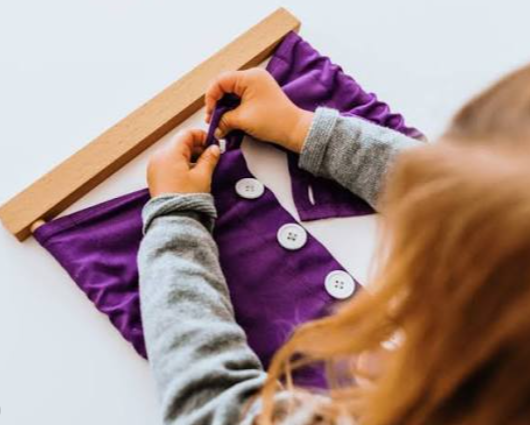
Montessori dressing frame activities are an essential part of early childhood education, promoting independent dressing skills in children. These activities not only enhance fine motor skills but also encourage self-confidence and responsibility.
1. Understanding the Purpose of Dressing Frames
Dressing frames are specially designed tools that help children practice various dressing skills. By using different types of clasps, buttons, and zippers found on these frames, children can learn how to dress themselves independently. This concept aligns well with the Montessori philosophy that emphasizes hands-on learning and self-sufficiency.
Moreover, dressing frames are versatile; they can be crafted to include various closure types found in everyday clothing. A typical frame may feature a zipper, snap, buckle, or even laces, allowing children to practice each skill individually. By transitioning from one frame to another, they gradually build their confidence and competence in dressing.
-
- Choose frames with different difficulty levels based on the child’s age.
-
- Encourage daily practice to reinforce skills.
-
- Provide positive reinforcement to boost the child’s confidence.
-
- Ensure a calm and distraction-free environment during practice.
2. Benefits of Dressing Frame Activities
The benefits of dressing frame activities go beyond just learning to put on clothes. Engaging with these tools helps children develop their fine motor skills, hand-eye coordination, and concentration. As they manipulate various fasteners, they enhance their dexterity, which is crucial for other tasks like writing and art.
Additionally, mastering dressing skills fosters a sense of achievement in children. When they can put on their own clothes, they feel more capable and, as a result, become more independent. This increase in self-esteem translates into other areas of their lives, further promoting a ‘can-do’ attitude.
-
- Observe the child’s developmental stage to choose appropriate frames.
-
- Pair dressing frame activities with discussions about clothing and seasons.
-
- Introduce a reward system for milestones reached.
-
- Encourage peer-to-peer practice for social interaction.
3. How to Create a Montessori Dressing Area
Setting up a Montessori dressing area is an excellent way to integrate dressing frame activities into your daily routine. A dedicated space encourages children to engage with the frames independently and often. Select a comfortable area at the child’s height, where they can easily reach the frames and practice without adult supervision.
In addition to dressing frames, consider incorporating other materials such as mirror panels and hooks for hanging clothing. These additions create an inviting ecosystem for children to explore dressing skills comprehensively. Encouraging them to choose and care for their clothing will also enhance their sense of personal responsibility.
-
- Choose a safe and accessible location for the dressing area.
-
- Incorporate elements of choice, like different clothing options.
-
- Utilize mirrors to help them visualize their efforts.
-
- Make it visually appealing to spark their interest.
4. Introducing Dressing Frames to Your Child
Introducing dressing frames to your child should be a gradual process. Start by explaining the objective and demonstrating how to use the frame. Make it a fun experience by engaging in a playful manner and allowing your child to explore without pressure. This way, they will feel motivated to join in the activity rather than being forced.
Let your child observe you or an older sibling using the dressing frames first. Once they show interest, allow them to take the lead. If they struggle with a particular fastener, offer guidance but resist the urge to take over completely. This self-discovery is important for building their resilience and problem-solving skills.
-
- Demonstrate first and encourage them to mimic your actions.
-
- Keep sessions short and fun to maintain their interest.
-
- Celebrate each achievement, regardless of how small.
-
- Offer help only when absolutely necessary to promote independence.
Montessori dressing frame activities are invaluable in building essential life skills in young children. By creating an encouraging environment and gradually introducing these tools, you can foster a sense of independence and responsibility that benefits them for years to come. Start incorporating dressing frames into your routine today and empower your child to dress themselves with confidence!