
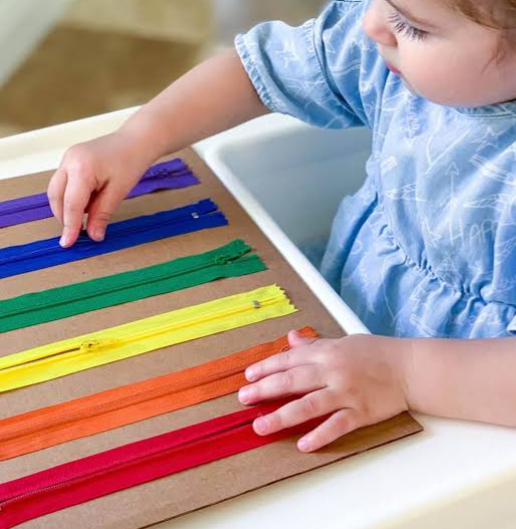
In today’s fast-paced world, it is essential to engage children in activities that promote both skill development and fun. Montessori zipper activities are a fantastic way to support this aim, helping children develop fine motor skills while enjoying creative play. These hands-on activities not only teach children how to zip and unzip but also enhance their problem-solving abilities and independence.
1. Understanding Montessori Zipper Activities
Montessori zipper activities typically involve various materials that children can manipulate, focusing on the action of zipping and unzipping. Such activities nurture concentration and coordination, making them fundamental to child development. For instance, you can create a zipper board where children can practice zipping multiple types of zippers, such as those found on jackets, bags, or pouches.
Using different types of fabrics and colors can also help make these activities more appealing. Children will not only improve their motor skills but also learn to identify different textures and colors. Incorporating visual and tactile elements can enhance their learning experience and keep them engaged longer.
-
- Choose a variety of zippers: jackets, bags, or dedicated zipper boards.
-
- Incorporate different textures and colors for sensory engagement.
-
- Use age-appropriate materials to prevent frustration.
-
- Encourage independence by allowing kids to explore at their own pace.
2. Benefits of Zipper Activities
One of the main benefits of zipper activities is the development of fine motor skills. Zipping requires a combination of thumb and finger movements, improving hand-eye coordination and dexterity. These skills are crucial for many daily tasks, from buttoning shirts to writing with a pencil. Children will feel a sense of achievement as they master this skill, boosting their confidence.
Additionally, zipper activities improve concentration and focus. Engaging children in purposeful tasks helps them learn to concentrate for extended periods. As they work through the challenge of zipping and unzipping, they develop patience and persistence—qualities that are essential for tackling more complex tasks in the future.
-
- Focus on fine motor skill development through practice.
-
- Promote confidence by encouraging mastery over zipping tasks.
-
- Help children learn to concentrate through engaging activities.
-
- Encourage patience and persistence in overcoming challenges.
3. Creative Zipper Activity Ideas
There are countless ways to integrate zipper activities into your child’s routine. For instance, you can create a DIY zipper pouch by sewing or gluing pieces of felt together with a zipper. This not only teaches children how to use a zipper but also allows for creative expression as they decorate their pouches with stickers or colors.
Another engaging idea is to set up a “Zipper Challenge” where children race against the clock to see how many zippers they can zip and unzip within a specified time. This timed activity can add an element of excitement and competition, motivating children to practice even more. Remember to celebrate their achievements by cheering them on!
-
- Create a DIY zipper pouch for hands-on engagement.
-
- Incorporate creative decoration elements using stickers and colors.
-
- Set a timer for a “Zipper Challenge” to increase excitement.
-
- Celebrate achievements with cheers and praise.
4. Incorporating Zipper Activities into Daily Routines
Integrating zipper activities into daily routines can enhance your child’s learning experience seamlessly. You can start by encouraging them to practice zipping their jackets before they head out or unzipping their bags after returning home. This allows for natural moments of practice without the need for structured sessions.
Additionally, you can introduce these activities during playtime—perhaps by providing a box filled with various zipper-related toys. This makes the activities feel less like chores and more like fun play. This natural integration will make your child more likely to engage and practice these skills regularly.
-
- Encourage practice during daily routines like dressing or unpacking bags.
-
- Provide ample opportunities during playtime with zipper-related toys.
-
- Make the learning process feel fun and unstructured.
-
- Monitor progress informally to build confidence.
In conclusion, Montessori zipper activities offer a unique and effective way to support your child’s fine motor skill development and independence. By incorporating these engaging activities into their routines, you can help them build confidence while having fun. Take the next step by exploring different zipper projects and watch your child thrive!