
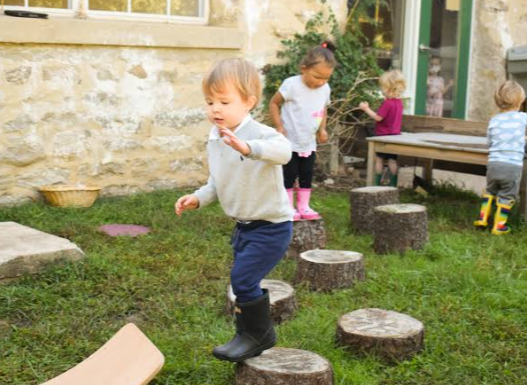
The Montessori method emphasizes self-directed, hands-on learning and recognizes that outdoor activities are essential in fulfilling children’s developmental needs. Engaging with nature not only enhances physical skills but also fosters creativity, curiosity, and a sense of responsibility in children. This blog post highlights various Montessori-style outdoor activities that can enrich learning experiences for kids.
1. Nature Scavenger Hunt
A nature scavenger hunt can be an exhilarating way for children to explore their environment while learning about local flora and fauna. Parents or educators can create a checklist of items to find, such as specific leaves, rocks, or flowers. This encourages observation skills and critical thinking as children make connections within their surroundings.
The excitement of hunting for items can be enhanced with storytelling. For example, introducing a storyline about a nature explorer can spark imagination and motivate children to engage more deeply with the activity. Incorporating sensory experiences—like smelling flowers or touching different textures—can also elevate their enjoyment while reinforcing their learning.
-
- Create a diverse checklist to challenge children.
-
- Encourage group discussions about their findings.
-
- Use storytelling to ignite interest.
-
- Provide magnifying glasses for closer inspection.
-
- Incorporate art by having children sketch their findings.
2. Gardening Together
Gardening is a wonderful way to combine physical activity with practical life skills found in the Montessori philosophy. Involving children in planting, watering, and maintaining a garden teaches them about responsibility, patience, and the importance of caring for living things. They also learn about plant biology through hands-on experience.
Children can participate in every stage of the gardening process. From selecting seeds to planning garden layouts, each step provides an opportunity for learning and collaboration. Best of all, gardening can also extend to discussions about nutrition, where children can learn the benefits of consuming fresh fruits and vegetables they grow themselves.
-
- Choose easy-to-grow plants like herbs or vegetables.
-
- Provide child-sized tools that are easier to handle.
-
- Have regular discussions about plant care.
-
- Encourage children to document growth with drawings or photos.
-
- Create a compost bin to teach recycling and sustainability.
3. Outdoor Practical Life Skills
Outdoor play provides numerous opportunities to teach practical life skills that are crucial in the Montessori framework. Skills such as sweeping, pouring, washing, and gardening can all be incredibly engaging when done outside. Utilizing outdoor space for these activities allows for a different kind of sensory experience, making it rich and memorable for children.
For example, children can practice pouring water into various containers, which helps refine their motor skills. Setting up a simple outdoor ‘housekeeping’ station with brooms, mops, and dishwater can turn ordinary chores into fun, educational games. This not only promotes independence but also contributes to their appreciation for teamwork and responsibility.
-
- Set up various stations for different skills.
-
- Incorporate a timer for added excitement and challenge.
-
- Use natural materials like leaves and stones for cleaning activities.
-
- Encourage children to teach each other skills they’ve mastered.
4. Creating Nature Art
Art in nature can stimulate children’s creativity while using their surroundings as a canvas. Collecting leaves, flowers, or even twigs allows children to explore textures and colors while creating something unique. This activity can lead to discussions about nature and the importance of preserving it, teaching children about eco-friendliness simultaneously.
Using natural materials to create art not only fosters creativity but also builds fine motor skills. Children can create leaf rubbings, flower collages, or even nature mandalas. This process encourages them to appreciate beauty in their environment, cultivating a sense of mindfulness and respect for nature.
-
- Gather various natural materials for various textures.
-
- Set up a shaded area for a comfortable workspace.
-
- Encourage children to discuss their art during the process.
-
- Introduce eco-friendly glues and paints for sustainability.
5. Outdoor Storytelling Sessions
Storytelling outside can create a magical atmosphere that enhances children’s imagination. Gathering in a circle in a park or even under a tree can transform ordinary tales into adventures filled with natural soundscapes. This not only fosters listening skills but also encourages children to connect with nature through visuals and sounds.
Incorporating elements from nature into the stories can lead children to create their narratives. For instance, a child may see a squirrel, leading to storytelling about that squirrel’s life. This approach emphasizes narrative development and creative thinking, aligning perfectly with Montessori principles of self-expression and independence.
-
- Find a quiet, comfortable outdoor space for storytelling.
-
- Encourage children to participate by adding to the story.
-
- Use props from nature to enhance the storytelling experience.
-
- Keep storytelling sessions short to maintain engagement.
Incorporating outdoor activities into the Montessori approach not only enriches children’s learning experiences but also nurtures their well-being and creativity. By facilitating engaging, hands-on activities in nature, we can empower children to be curious learners while developing essential life skills. Start exploring these activities today and witness the joy of outdoor learning unfold!