
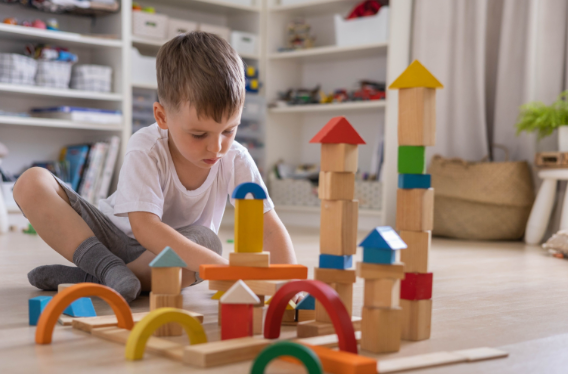
Wooden toys have long been a staple in Montessori education, encouraging imaginative play and hands-on learning. This post will explore various Montessori activities that can be integrated with wooden toys to promote cognitive, physical, and emotional development in young learners.
1. Sensory Exploration with Wooden Blocks
Wooden blocks are not only versatile but also serve as a fantastic tool for sensory exploration. Children can learn about different shapes, sizes, and textures as they manipulate these blocks. This tactile experience enhances their understanding of spatial relationships, which is fundamental in early mathematics. Encourage children to build towers or simple structures, fostering creativity while also developing fine motor skills.
In addition, blocks can be used to teach concepts such as balance and gravity. For instance, discussing why a structure might fall can spark curiosity about basic physics. Experimenting with stability allows children to learn through trial and error in a safe environment.
-
- Provide different types of wooden blocks (e.g., round, square, triangular).
-
- Encourage open-ended play to stimulate creativity.
-
- Incorporate size comparisons for a math lesson.
-
- Introduce new vocabulary related to shapes and balance.
-
- Monitor and assist with safety when building.
2. Role-Playing with Wooden Figures
Role-playing is an effective way to develop social skills and emotional intelligence. Wooden figures, such as people and animals, can bring stories and scenarios to life. Children can act out various situations, encouraging empathy as they navigate their roles. By embodying different characters, kids learn how to communicate effectively and understand different perspectives.
Incorporating wooden figures in storytelling can make lessons more engaging. Parents and educators can prompt children to create stories around the figures, thus promoting language development and storytelling abilities. This imaginative play encourages creativity and builds confidence as children articulate their thoughts.
-
- Encourage storytelling by asking open-ended questions.
-
- Create scenes with the figures to depict emotions or scenarios.
-
- Rotate the figures to introduce new characters.
-
- Utilize the role-play to teach problem-solving skills.
-
- Incorporate props to enhance the role-playing experience.
3. Counting and Sorting with Wooden Toys
Wooden toys can also provide excellent opportunities for counting and sorting activities. Toys in various shapes and colors can help children develop numerical skills while engaging their natural curiosity. By sorting toys, children can learn about categorization, which is essential for cognitive development. This activity can seamlessly integrate literacy and mathematics into playtime.
For counting, use colorful wooden beads or animals to create visual aids. Ask children to group them by color or size, making counting an engaging activity. This approach introduces basic math skills in a fun and interesting way, ensuring that children remain motivated and involved.
-
- Gather various wooden toys for counting and sorting.
-
- Use clear containers to organize sorted items.
-
- Incorporate numbers through games or songs.
-
- Encourage counting out loud to reinforce learning.
-
- Limit distractions to maintain focus during the activity.
4. Creative Art with Wooden Tools
Art activities using wooden tools can greatly enhance a child’s creativity and motor skills. Whether it’s using wooden paintbrushes or stamps, children can explore colors and forms freely. This type of tactile engagement with art encourages self-expression and fosters confidence in their creative abilities. Art becomes not just about the end product but the process itself.
Incorporating natural materials along with wooden tools provides a sensory-rich experience. For example, children can press pieces of wood into clay or use twigs to create unique designs. This allows them to experiment with textures and patterns, developing an appreciation for art and nature.
-
- Set up an organized art space with wooden tools.
-
- Use various media (paint, clay, etc.) to enhance creativity.
-
- Encourage free expression without worrying about the outcome.
-
- Discuss the choices made during the creation process.
-
- Create a gallery to display their art at home.
Integrating Montessori activities with wooden toys not only fosters developmental skills but also creates lasting memories. Engaging in these playful yet educational experiences can help instill a love for learning in children. Take the next step by exploring new activities that not only entertain but also educate, enhancing your child’s growth journey.