
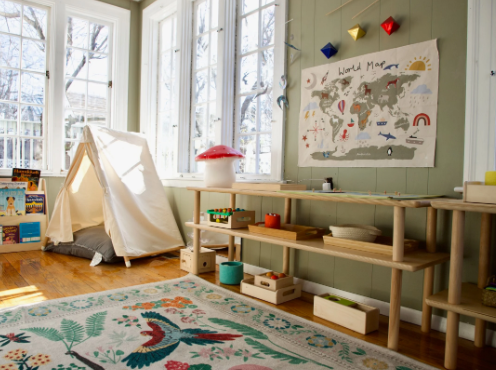
Creating a Montessori-inspired playroom can foster an environment of independence, exploration, and learning for your child. By incorporating carefully chosen activities into your setup, you can promote their natural curiosity and encourage skill development.
1. Nature Exploration Stations
One of the key principles of Montessori education is connecting children with nature, allowing them to explore their environment freely. You can create nature exploration stations indoors or outdoors, featuring elements such as plants, rocks, and other natural items. For example, you could set up a small garden space with potted herbs or flowers where children can tend to their plants and learn about growth cycles.
In addition to gardening, consider creating a sensory bin filled with natural materials like leaves, dirt, and small stones. This setup encourages tactile exploration and fosters curiosity about the world around them. Kids can dig, scoop, and feel while integrating lessons about ecosystems and habitats.
-
- Set up pots with soil and seeds for a mini-garden.
-
- Create a sensory bin for tactile exploration with natural materials.
-
- Incorporate magnifying glasses to observe small items closely.
-
- Display nature-themed books beside the exploration area.
-
- Use a journal for children to document their findings.
2. Practical Life Skills Areas
Montessori education emphasizes the importance of practical life skills. Design a section of the playroom where children can practice everyday tasks such as pouring, sorting, and cleaning. This area not only promotes independence but also helps develop fine motor skills. For instance, you can provide child-sized utensils and tools that enable kids to engage in activities like washing dishes or folding clothes.
An example setup might include a small table with a water station where your child can practice pouring water from one container to another. This not only builds coordination but also demonstrates responsibility and self-sufficiency. Ensure that the items are age-appropriate and safe to encourage experimentation.
-
- Include child-sized tools and utensils for hands-on activities.
-
- Set up a water station with pouring activities.
-
- Provide materials for sorting objects by color and size.
-
- Incorporate a small vacuum or broom for cleaning practice.
-
- Rotate activities to maintain interest and engagement.
3. Creative Arts and Crafts Corner
A designated area for arts and crafts can significantly enhance your child’s creativity and self-expression. In a Montessori playroom, consider including materials that encourage open-ended creativity rather than structured art projects. Offer supplies like natural paints, recycled materials, and various textures to inspire your child to create in their unique style.
Create a haven for imaginative play by providing easels, drawing pads, and furniture that is child-sized, making it easily accessible. Incorporate activities like clay modeling or collage-making, which not only foster creativity but also improve fine motor skills and hand-eye coordination. These types of artistic activities can also serve as calming experiences, providing therapeutic benefits.
-
- Offer a variety of art materials like paints, crayons, and collage items.
-
- Set up easels or surfaces at an accessible height for children.
-
- Encourage creative mess—use washable items for easier cleanup.
-
- Provide quiet spaces for children to reflect on their art.
-
- Share stories or themes to inspire artistic exploration.
4. Sensorial Play Activities
Montessori education places a strong emphasis on sensory experiences, which are vital for a child’s development. Establishing a sensorial play area in the playroom can help children refine their senses through real-life materials and experiences. Items like textured fabrics, sound boxes, and scent jars can encompass a wide range of sensory activities.
Set up a tactile path made of different materials (e.g., sandpaper, soft cloth, or grass) where children can walk barefoot and experience varying textures. Sound boxes containing various materials—like rice, beans, and bells—can help children learn about sound through exploration. Encourage children to describe their sensory experiences to enhance their vocabulary and expressive skills.
-
- Create a tactile path for children to experience different textures.
-
- Provide sound boxes filled with materials that make different noises.
-
- Utilize scent jars for olfactory exploration with various natural aromas.
-
- Incorporate light tables or projectors for visual play.
-
- Encourage storytelling based on sensory experiences.
Setting up a Montessori-inspired playroom can significantly impact your child’s development by encouraging independence and creativity. Implementing these activities not only cultivates a rich learning environment but also helps your child gain essential life skills. Consider starting with one or two areas and gradually expanding based on your child’s interests and needs.