
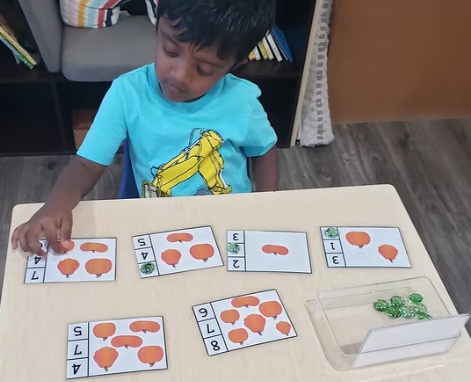
Montessori education emphasizes hands-on learning and self-directed activity, making it an excellent approach for integrating nature materials into children’s play. Using natural elements not only fosters a connection to the environment but also enhances sensory experiences and encourages exploration. Here are some engaging activities that incorporate nature materials into your Montessori practice.
1. Exploring Textures with Natural Materials
Children are naturally curious about the world around them, and incorporating various natural materials can help satisfy their eagerness to explore. Arrange a collection of items such as leaves, pine cones, rocks, and bark for children to touch and compare. Encourage them to describe the differences, noticing how they feel, smell, and even sound when they interact with each one.
This texture exploration can be a sensory activity that deepens their understanding of the natural world. For example, ask them to find smooth and rough surfaces among the items. This not only helps develop their vocabulary but also enhances motor skills as they manipulate these objects.
-
- Gather leaves, rocks, twigs, and other natural items.
-
- Create a sensory bin filled with sand and mix in the materials for exploration.
-
- Encourage children to categorize the items by texture.
-
- Prompt them to draw or color their favorite item afterward.
-
- Discuss environmental awareness and where these materials come from.
2. Nature-Inspired Arts and Crafts
Using nature materials for art projects allows children to express their creativity while learning about the environment. For instance, leaf printing is a simple yet engaging activity that combines art with science. Children can use fallen leaves, paint, and paper to create beautiful prints, exploring colors and designs.
Another exciting idea is to create collages with twigs, flowers, and seeds. Children can glue these items to cardboard to form beautiful designs or even creatures based on their imagination. This connection with nature provides a better appreciation for the beauty and complexity of natural materials while developing fine motor skills.
-
- Collect various natural materials to use in projects.
-
- Provide paints or colored inks for printing activities.
-
- Encourage children to describe their artwork and the materials used.
-
- Set up a display area for finished pieces to build pride and confidence.
-
- Incorporate a lesson on sustainability and not over-harvesting materials.
3. Nature Scavenger Hunts
A nature scavenger hunt is an interactive way to combine physical activity with learning, making it a fantastic Montessori activity. You can prepare a simple checklist for children to find specific natural items, like acorns, different types of leaves, or specific flowers or birds. This encourages observation and exploration, which is critical in the Montessori approach.
To make it even more engaging, consider adding educational elements. Each item on the checklist can come with a fun fact, allowing children to learn while they seek. Discussing the environment, ecosystems, and biodiversity during the hunt can also enrich their understanding of nature’s interconnectedness.
-
- Create a checklist tailored to your local environment.
-
- Encourage teamwork by pairing children up to find items.
-
- Discuss what they found and any interesting facts about the items.
-
- Include a reflection time after the hunt for sharing experiences.
-
- Ensure children understand the importance of respecting nature during the hunt.
4. Building with Natural Blocks
Natural blocks, made from tree branches, stones, or logs, are excellent materials for children to build with. Not only do they promote creativity through construction, but they also provide valuable lessons in balance, symmetry, and design. Children can experiment with different sizes and shapes, discovering how each material affects the stability of their structures.
Incorporating a challenge element can make this activity even more enjoyable. For example, you might ask children to build a bridge that can hold a specific weight or a tower that isn’t easily knocked over. This kind of problem-solving enhances critical thinking and offers a wonderful chance for collaborative play.
-
- Collect various sizes of natural blocks for building.
-
- Set up designated areas for building to create a safe environment.
-
- Encourage exploration through trial and error in their constructions.
-
- Discuss different building techniques and materials used.
-
- Highlight teamwork and communication skills during group builds.
5. Nature Journaling
Nature journaling is a fantastic way to incorporate observation and reflection in a Montessori setting. By providing children with notebooks, you encourage them to draw or write about their observations in nature. Whether they are sketching a tree or jotting down notes about the animals they see, journaling fosters a deepened connection with the natural environment.
Encourage children to use their journals not just for art but for science as well. They can document weather changes, patterns they notice in plants or wildlife, and seasonal transitions. This practice will not only enhance their writing skills but also their observational and analytical abilities.
-
- Provide each child with a nature journal and drawing materials.
-
- Encourage regular journal updates based on nature walks.
-
- Discuss observations to enhance understanding and vocabulary.
-
- Allow children to share their journal entries with the class for communal learning.
-
- Integrate seasonal themes to keep the journal relevant and exciting.
Incorporating nature materials into Montessori activities provides endless opportunities for exploration, creativity, and learning. By engaging children with natural elements, you cultivate not only their knowledge of the environment but also their appreciation for it. Start integrating these activities today and watch as their curiosity and connection to nature flourish.