
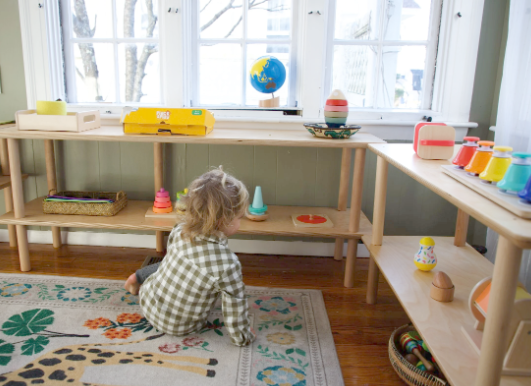
Montessori activities for 2-year-olds are more than just play; they are specifically designed to enhance learning and foster independence. By engaging children in these carefully crafted activities, parents and educators can support their natural development and encourage an active love for learning.
1. Sensory Play Activities
Sensory play is essential for toddlers as it helps develop cognitive skills through exploration. Activities involving materials such as sand, water, or rice allow children to engage their senses while enhancing fine motor skills. For instance, using a tray filled with rice and small cups can provide endless opportunities for pouring, scooping, and measuring, all of which are vital at this developmental stage.
Incorporating a variety of textures and materials can stimulate further exploration. Activities like creating a “sensory bin” filled with beans, pebbles, or shredded paper can be both fun and educational. As toddlers dig, scoop, or pour, they’re learning about different textures while developing hand-eye coordination and fine motor abilities.
-
- Set up a sensory bin with safe materials.
-
- Encourage pouring and scooping activities.
-
- Introduce various textures for tactile exploration.
-
- Allow open-ended play; let them lead the way.
2. Practical Life Skills
Introducing practical life skills not only promotes independence but also boosts confidence in toddlers. Simple tasks such as pouring water, sorting objects, or even dusting can teach life skills that will benefit them in the long run. Engaging them in activities that relate to daily routines creates a natural learning environment where they feel included and important.
For example, involve your child in cooking activities where they can measure ingredients or mix them together. This not only teaches them about food but also helps develop their motor skills and attention span. Additionally, activities that include dressing themselves or organizing their toys can foster responsibility and personal pride.
-
- Assign age-appropriate tasks in daily routines.
-
- Use real tools and materials for authenticity.
-
- Encourage self-dressing with simple clothing.
-
- Make cleaning fun to introduce responsibility.
3. Creative Arts and Crafts
Artistic expression is crucial at any age and can take various forms for 2-year-olds. Simple activities like finger painting, color sorting, or collage making can allow children to express themselves while exploring their creativity. Use non-toxic paint and large paper for finger painting to make it easy for little hands. Just be prepared for a bit of mess!
Crafts can extend beyond traditional mediums. Creating nature collages with leaves, flowers, or twigs can help children connect with their environment while developing fine motor skills. As they glue, tear, or sort different natural elements, they are simultaneously learning about the world around them.
-
- Provide a variety of art supplies; keep it simple.
-
- Encourage exploration of colors and textures.
-
- Always use safe, non-toxic materials.
-
- Display their art proudly to boost self-esteem.
4. Language Development Activities
Language skills bloom during the toddler years, and engaging your child in language-focused activities can enhance their vocabulary and communication skills. Reading together is fundamental, so choose simple, engaging books that invite participation. Ask open-ended questions about the stories to encourage conversation and critical thinking.
Beyond reading, incorporating songs, rhymes, or even simple storytelling can provide a rich linguistic environment. Singing familiar nursery rhymes while using hand gestures or actions engages toddlers physically and mentally, making language learning more effective and enjoyable.
-
- Read daily; make it a cozy routine.
-
- Use expressive voices and facial expressions.
-
- Encourage them to ask questions about the story.
-
- Incorporate songs with actions for active learning.
Getting started with Montessori activities for your 2-year-old can be both fulfilling and empowering for both parents and children. These activities not only promote development and learning but also create a joyful bond between caregiver and child. Consider incorporating one or more of these activities into your daily routine to nourish curiosity and creativity.