
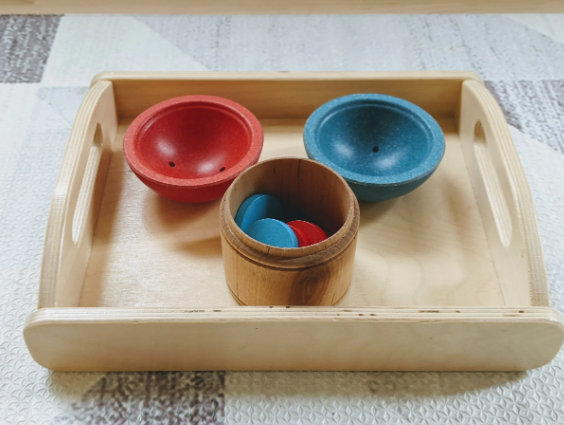
Color sorting activities are a wonderful way to engage young learners while developing essential cognitive and motor skills. In Montessori education, these activities not only enhance a child’s understanding of colors but also promote logical thinking and organization.
1. The Importance of Color Recognition
Color recognition is a vital building block in early childhood development. It helps children label their world and can even aid in language development as they learn the names associated with different colors. When children engage in color sorting activities, they begin to categorize objects based on color, which enhances their critical thinking and classification skills.
Furthermore, color sorting fosters concentration and attention to detail. As children focus on differentiating between reds, blues, greens, and yellows, they improve their observational skills. This can make them more aware of their surroundings, encouraging them to explore further and ask questions about the world.
-
- Use a variety of colored objects for sorting.
-
- Incorporate everyday items to make learning relatable.
-
- Encourage discussions about colors and their uses.
-
- Provide praise and positive reinforcement.
2. Simple Montessori Color Sorting Activities
Creating a Montessori-inspired color sorting station can be as simple or involved as you want it to be. One effective activity is to use colored paper or fabrics divided into sections, placing corresponding colored items nearby. Encourage children to match and sort the items based on color. This not only captivates their interest but also gives them a clear visual representation of the task, making it easier to grasp the concept of sorting.
Another exciting activity is to use color sorting trays, available in various sizes. By filling them with tiny, colorful objects like pom-poms, buttons, or beads, children can work on their fine motor skills as they pick up and sort the items. This hands-on interaction makes learning fun while engaging their sensory experiences.
-
- Create a dedicated space for sorting activities.
-
- Ensure varied textures and shapes for tactile engagement.
-
- Rotate materials to keep the interest alive.
-
- Utilize trays or containers to minimize mess.
3. Incorporating Theme-Based Sorting Activities
To make color sorting even more engaging, consider incorporating themes into your activities. For example, a nature-themed week could include sorting leaves or flowers by color, helping children connect colors to their environment. Using themes makes the activity relatable while expanding their knowledge on the chosen subject.
Art-themed sorting can also be a wonderful avenue to explore. Allow children to paint or color their own items, and then have them sort their creations by the colors they used. This interplay between creativity and classification reinforces the importance of color while allowing children to express themselves artistically.
-
- Choose themes that captivate your child’s interests.
-
- Integrate storytelling to deepen engagement.
-
- Encourage creativity in art-based activities.
-
- Make observations and discuss results together.
4. Advancing Skills Through Color Mixing
Once children have mastered basic color sorting, consider introducing them to the concept of color mixing. Activities such as using watercolors or colored gels to blend colors allow children to see firsthand how new colors are created. This not only deepens their understanding of color theory but also adds a new dimension to their sorting activities.
Incorporating clear containers and water can create a delightful learning experience. By mixing primary colors in water, children can sort the resulting secondary colors. This tangible interaction not only solidifies their learning but makes the process enjoyable, as they witness the results of their actions.
-
- Start with primary colors for easy mixtures.
-
- Provide clear containers for visual evidence of changes.
-
- Introduce simple experiments with color mixing.
-
- Encourage children to create their own color wheels.
5. Evaluating Progress and Enjoying the Journey
As children participate in color sorting activities, it’s essential to monitor their progress. Take note of their ability to differentiate colors and how effectively they can sort related items. Celebrate their achievements, no matter how small, to build their confidence and reinforce positive experiences associated with learning.
Incorporating regular reflection can also elevate their experience. Ask questions about their preferences, what they learned, or what they found challenging. This not only helps them articulate their understanding but also encourages them to think critically about their learning experiences.
-
- Keep a checklist to track skills and progress.
-
- Celebrate successes with praise and rewards.
-
- Engage in regular discussions about activities.
-
- Make adjustments based on their needs and interests.
In conclusion, Montessori color sorting activities are a rich and valuable addition to any early learning environment. By engaging children in hands-on activities, you foster their cognitive, motor, and observational skills. Start incorporating these ideas today, and watch your child’s curiosity and understanding of colors flourish!