
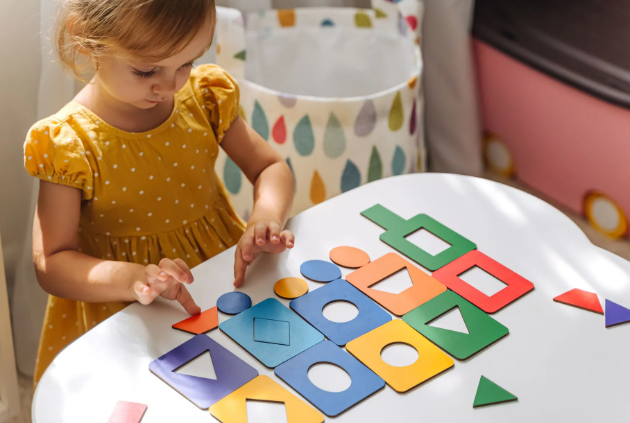
Montessori education is a child-centered approach that prioritizes self-directed activity, hands-on learning, and collaborative play. By tapping into children’s innate curiosity and desire to learn, Montessori activities foster an environment that supports holistic child development. In this post, we’ll explore several essential Montessori activities that help cultivate essential skills in young learners.
1. Sensorial Activities
Sensorial activities play a crucial role in a Montessori environment by helping children refine their senses—sight, smell, touch, taste, and hearing. These activities often involve specially designed materials that engage a child’s senses. For example, using color tablets allows children to match and grade colors, enhancing their visual perception and analytical skills.
Another popular sensorial activity involves the use of sound boxes with varying materials like beans or rice. This activity helps children differentiate sounds, improving their auditory skills and focusing on listening. By engaging in these sensorial experiences, children develop not only their sensory skills but also spatial awareness and coordination.
-
- Provide a range of materials that target different senses.
-
- Encourage children to describe what they see, hear, and feel.
-
- Incorporate natural materials for a more authentic sensory experience.
-
- Rotate materials regularly to maintain engagement and interest.
2. Practical Life Skills
Practical life activities are cornerstone elements of the Montessori method and help children develop independence, coordination, and self-confidence. Tasks such as pouring, buttoning, and sweeping empower children to manage their environment and cultivate everyday life skills. For instance, setting a table not only teaches children about responsibility but also enhances their fine motor skills.
Encouraging children to participate in kitchen activities, such as washing vegetables or preparing simple snacks, allows them to engage in purposeful work. These activities bond family interactions while fostering a sense of accomplishment in children. When children begin to see their contributions as valuable, their self-esteem strengthens, paving the way for life-long learning and confidence.
-
- Choose age-appropriate tasks to start with.
-
- Encourage children to complete activities independently.
-
- Use real materials instead of toys for authenticity.
-
- Provide gentle guidance rather than taking over the task.
3. Language Development Activities
Montessori methods emphasize the importance of language development through rich, engaging activities that promote vocabulary, reading, and writing skills. Materials like sandpaper letters help children learn the shapes and sounds of the letters while allowing them to trace with their fingers to engage their tactile senses. This multisensory approach helps build a strong foundation for literacy.
Storytelling and interactive reading sessions using books that align with children’s interests can boost their listening skills and comprehension. Encouraging children to engage with stories—asking questions, making predictions, and discussing characters—fosters a deeper connection to language and helps develop critical thinking skills. As they explore language in context, children become curious readers and effective communicators.
-
- Incorporate a variety of books and stories to cater to interests.
-
- Utilize interactive and tactile materials for hands-on learning.
-
- Encourage storytelling as a fun activity to enhance creativity.
-
- Regularly engage in conversations to build vocabulary.
4. Creative Arts and Music
Creative arts and music activities hold significant value in a Montessori setting, allowing children to express their emotions and thoughts through various mediums. Activities like painting, drawing, and molding clay provide opportunities for self-expression and develop fine motor skills. When children are free to explore colors and textures, their creativity flourishes, making way for critical thinking and problem-solving abilities.
Incorporating music into daily activities can also enhance cognitive development. Singing songs, using musical instruments, or dancing not only nourishes creativity but also helps with emotional expression and social skills. Children learn to collaborate, coordinate, and communicate through music, making it a fun and enriching experience that promotes resilience and teamwork.
-
- Provide diverse materials for various creative activities.
-
- Encourage open-ended projects to stimulate imagination.
-
- Set aside dedicated time for music and movement activities.
-
- Support freedom of expression without judgment or restriction.
Implementing Montessori activities into your child’s daily routine can significantly enhance their overall development. By fostering independence, curiosity, and creativity, you set the stage for a lifelong love of learning. If you’re interested in Montessori education, consider consulting with a professional or exploring specialized resources to help you on this rewarding journey.