
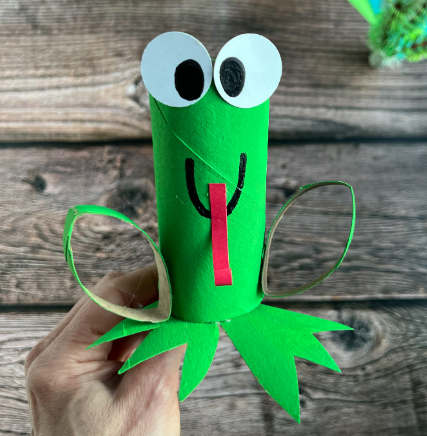
Montessori education emphasizes hands-on learning, allowing children to explore and discover through their own experiences. Incorporating DIY activities at home not only fosters independence but also enhances critical thinking and creativity. Here are some engaging Montessori-inspired DIY activities that you can try with your kids.
1. Nature Sensory Bins
Nature sensory bins provide an excellent opportunity for children to explore the natural world through touch, smell, and sight. You can create these bins using materials collected from outdoor adventures, like leaves, small rocks, or twigs. Start by selecting a container and filling it with your chosen natural items, then add tools like scoops or magnifying glasses to enhance the experience.
This activity not only encourages sensory exploration but also promotes cognitive growth as children categorize items, discover textures, and learn about their environment. It’s an ideal indoor or outdoor activity, adaptable for various weather conditions. You might even involve your children in the collection process, teaching them about nature along the way.
-
- Choose a sturdy container for your sensory bin.
-
- Gather natural materials like flowers, leaves, and stones.
-
- Add simple tools like scoops and shovels.
-
- Encourage children to identify and categorize items.
-
- Engage them in conversation about what they discover.
2. Homemade Counting Games
Counting is a fundamental skill, and turning it into a fun game can make the learning process enjoyable. To create a homemade counting game, you can use items like buttons, pasta, or even rocks. Set up a game board with numbers written on it, and ask your child to place the corresponding number of items on each number, promoting both counting and fine motor skills.
In addition to making counting fun, you can also incorporate themes that make the game even more engaging. For example, if your child loves dinosaurs, you can paint rocks as dinosaur eggs and use them for counting. This method reinforces numerical concepts while allowing for creative expression. It’s a win-win!
-
- Gather items suitable for counting like buttons or beads.
-
- Create a game board with numbers or simple drawings.
-
- Encourage children to count items out loud.
-
- Integrate themes like animals for more engagement.
-
- Include challenges: count forwards and backwards.
3. DIY Practical Life Activities
Practical life activities are essential in Montessori education as they teach children everyday skills. Simple tasks such as pouring, transferring, or cleaning can be transformed into engaging DIY activities at home. For example, set up a pouring station using dry ingredients like rice or beans, and let your child practice pouring from one container to another.
These activities not only enhance fine motor skills but also promote concentration and independence. As children learn to handle materials safely and purposefully, they build self-confidence and a sense of accomplishment. You can even create variations by introducing different materials or tools, making each session unique and interesting.
-
- Set up a designated area for practical life activities.
-
- Choose materials that are safe and appropriate for your child’s age.
-
- Demonstrate the activity clearly before letting them try.
-
- Encourage repetition to build confidence.
-
- Provide positive feedback and celebrate their achievements.
4. DIY Art Explorations
Art is a powerful means of expression, and DIY art activities can foster creativity in your little ones. Set up an art station with various materials like paints, markers, and recycled items that can be transformed into art. Encourage your child to create by providing open-ended prompts, such as “Create a creature using these materials,” or “Make a mural that represents your favorite season.”
It’s important to remember that the process of creating is just as valuable as the final product. Focus on exploration, encouraging your child to experiment with colors, textures, and forms. You may also consider setting up collaborative art projects that involve family, showcasing the beauty of teamwork and shared creativity.
-
- Gather various art supplies and equipment.
-
- Provide open-ended prompts to inspire creativity.
-
- Encourage exploration without worrying about perfection.
-
- Exhibit their art in your living space.
-
- Facilitate family art projects for collective fun.
5. Building Simple Structures
Building activities are not only fun but also important for developing logical thinking and spatial awareness. Use recyclable materials such as cardboard boxes, old magazines, or stacking cups to encourage your child to build structures. Give them a challenge, such as creating the tallest tower or designing a bridge, and watch their problem-solving skills bloom in action.
This activity can also integrate lessons in engineering and architecture, providing opportunities to discuss balance, gravity, and design. By encouraging children to think critically about their structures and problem-solve when they don’t work, you’re reinforcing valuable skills they can apply in other areas of life.
-
- Collect recyclable materials to use for building.
-
- Set challenges to inspire creativity.
-
- Discuss concepts such as balance and stability as they build.
-
- Encourage teamwork if siblings or friends are involved.
-
- Celebrate their creations and encourage them to innovate.
Montessori DIY activities can transform your home into a vibrant learning environment that nurtures independence, creativity, and critical thinking. By engaging with your child through these activities, you not only bond but also empower them with essential life skills. So, gather your materials and start exploring the world of DIY Montessori activities right at home!