
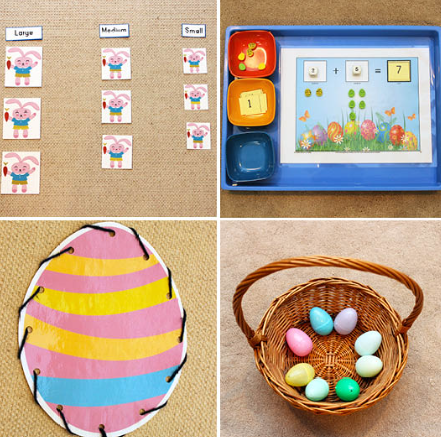
Easter is a delightful time for families, especially for preschoolers who can enjoy engaging activities that foster learning and creativity. Integrating Montessori principles into your Easter celebrations can make this time both educational and fun, focusing on hands-on experiences and child-led exploration.
1. Egg Decorating with Natural Dyes
Egg decorating is a classic Easter activity, and using natural dyes aligns perfectly with Montessori’s emphasis on using real, organic materials. Gather items like red cabbage, turmeric, and beet juice to create vibrant hues for your eggs. This not only teaches children about colors and natural processes but also instills a sense of responsibility when handling the materials.
To start, hard-boil your eggs and prepare the dyes by simmering your chosen natural materials in water with a splash of vinegar. Once the eggs are dyed, allow children to explore their creativity by painting or decorating them with other natural elements like leaves or flowers. This activity not only cultivates artistic skills but also reinforces respect for nature.
-
- Hard-boil the eggs and let them cool.
-
- Prepare natural dyes using fruits, vegetables, or spices.
-
- Allow children to experiment with different patterns and colors.
-
- Use items like leaves to create imprints on the eggs.
-
- Encourage storytelling about the colors they chose.
2. Nature Scavenger Hunt
A nature scavenger hunt is an excellent way to promote observation and exploration, key tenets of the Montessori approach. Create a simple list of items for your children to find, such as a flower, a feather, or a specific type of leaf. Provide them with a basket to collect their treasures, encouraging them to observe their surroundings in a new light.
This activity not only enhances fine motor skills as they pick up items, but it also fosters an appreciation for nature. Discuss the items they find and ask open-ended questions to promote critical thinking. For instance, you could ask them why they chose a specific flower or what color it is. Integrate discussions about the weather and seasons to deepen their understanding of their environment.
-
- Make a simple scavenger hunt list tailored to your preschooler’s abilities.
-
- Provide a small basket or bag for collecting items.
-
- Set clear boundaries for the hunt to ensure safety.
-
- Incorporate a discussion about findings once the hunt is over.
-
- Encourage children to paint or write about their favorite finds.
3. Easter Egg Sensory Bins
Sensory bins offer an opportunity for young children to explore textures, shapes, and colors while engaging multiple senses. For Easter, you can create an egg-themed sensory bin filled with dyed rice, plastic eggs, and small toys like bunny figurines. This activity can cater to children’s natural curiosity and can be adjusted based on your child’s age and developmental stage.
Encourage preschoolers to pour, scoop, and sort the contents of the bin, which develops fine motor skills and hand-eye coordination. You can also incorporate counting by asking them to count the number of eggs or items they find. Additionally, you can introduce language by talking about what they are doing and discovering within the bin.
-
- Fill a large bin with dyed rice or pasta as a base.
-
- Add various types of eggs and small toys for exploration.
-
- Encourage scooping, pouring, and sorting activities.
-
- Incorporate counting and naming activities as they play.
-
- Rotate the contents based on seasonal opportunities.
4. Bunny Hop Obstacle Course
Creating a bunny hop obstacle course not only encourages physical activity but also fosters important gross motor skills. Use items like cushions or soft toys to create hurdles for your preschoolers to jump over and tunnels to crawl through. This fun, engaging activity embodies the Montessori spirit of learning through play and exploration.
Involve your children in setting up the course to enhance their problem-solving and critical thinking skills. Ask them how they think they can navigate the obstacles and encourage them to come up with creative solutions. This type of collaborative play strengthens their sense of independence and confidence in their abilities.
-
- Gather soft objects like cushions or toys for the course.
-
- Encourage kids to help design the layout of the obstacles.
-
- Set a clear path for safety and clarity.
-
- Incorporate timing or fun challenges to make it lively.
-
- Celebrate their accomplishments, no matter how small.
This Easter, consider integrating these Montessori-inspired activities into your family’s traditions. These hands-on experiences not only facilitate learning but also create cherished memories that your preschoolers will treasure for years to come. Enjoy the journey as you explore, create, and celebrate together!