
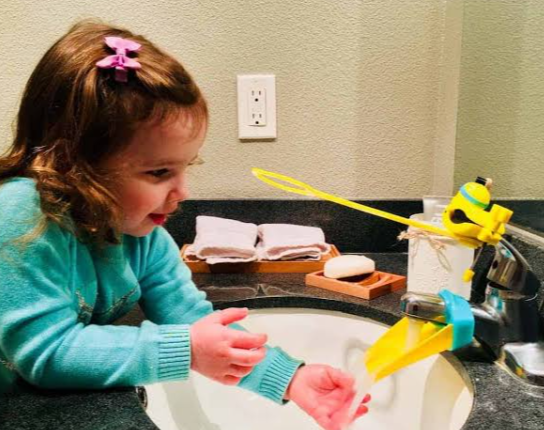
Montessori methods emphasize the importance of independence and self-sufficiency, especially in young children. Engaging your child in self-care activities not only promotes practical life skills but also fosters confidence and responsibility. Here are some Montessori-inspired activities that can help your child develop essential self-care skills.
1. Personal Hygiene Routine
One of the foundational self-care skills is understanding personal hygiene. Teaching children about washing their hands, brushing their teeth, and bathing can be an enjoyable and engaging experience. You can create a routine where each step is clear, and use visual aids to help your child remember what comes next. For example, a simple chart with images can illustrate steps for handwashing or teeth brushing.
Incorporating fun songs or games can also make hygiene habits stick. For instance, while brushing teeth, you could sing a specific song for two minutes to ensure they brush long enough. Setting up a designated bathroom space with easy-to-reach items, like a colorful toothbrush or a fun soap dispenser, can encourage children to take ownership of their hygiene practices.
-
- Use a visual chart to outline the steps for washing hands or brushing teeth.
-
- Incorporate a fun song while performing hygiene tasks.
-
- Make essential items easily accessible to foster independence.
-
- Regularly check for and replace any supplies that are running low.
2. Dressing and Undressing Skills
Learning to dress and undress is another crucial self-care skill for children. Montessori education advocates allowing children to practice dressing themselves, as it boosts their confidence and motor skills. You can start by providing clothing that is easy to manipulate, such as elastic waistbands or oversized buttons, which are perfect for developing fine motor skills.
Choosing clothing activities that are engaging, like sorting clothes by color or folding laundry together, can also enhance learning. Create a dressing area where your child can choose their outfits independently, fostering decision-making skills. Encouragement and patience are key here; let your child know that it’s perfectly okay to make mistakes as they learn.
-
- Provide clothes that are easy to put on and take off.
-
- Create a dedicated dressing area for your child.
-
- Encourage sorting and folding laundry as a fun activity.
-
- Be patient and celebrate small successes to build confidence.
3. Meal Preparation and Snack Time
Involving children in meal preparation is an enriching way to develop self-care skills related to nutrition and cooking. Start with simple tasks like washing fruits and vegetables or mixing ingredients. This not only teaches them about healthy eating but also engages their senses through various textures and flavors.
To enhance the learning experience, you can incorporate themes, such as cooking a dish from a different culture, which opens avenues for learning about diverse food options. Even having your child set the table or clean up afterward contributes to developing ownership and responsibility. Keep things safe and manageable by utilizing kid-friendly tools and ensuring supervision during cooking activities.
-
- Start with simple meal prep tasks appropriate for their age.
-
- Explore diverse foods through themed cooking nights.
-
- Encourage setting the table as part of meal preparation.
-
- Always supervise and use kid-friendly utensils.
4. Organizing Personal Spaces
Self-care also extends to organizing personal spaces. Teaching children how to keep their areas tidy can instill a sense of responsibility and pride in their environment. Begin by setting clear expectations for their room, play area, or even the bathroom. Visual reminders, such as checklists or labeled bins, can help them understand where items belong.
Make cleaning up playtime a part of the fun by incorporating games. For instance, setting a timer for a “clean-up race” can make the activity more engaging. Regularly model how to organize and maintain spaces, allowing them to practice along with you, and offer praise to reinforce their efforts. This practice not only benefits their immediate environment but lays the foundation for later life skills.
-
- Create labeled bins for organization.
-
- Use visual checklists to outline cleaning tasks.
-
- Turn cleaning up into a game with time challenges.
-
- Model organization skills regularly for them to observe.
Encouraging self-care skills through Montessori activities can empower your child to become more independent and confident. Small changes in daily routines can yield significant benefits, equipping them with life skills they will continue to use as they grow. Consider adopting these practices and watch your child’s sense of responsibility and self-sufficiency flourish.