
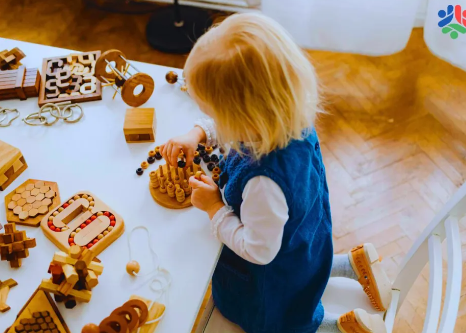
Montessori sensory activities are essential for preschoolers as they promote exploration through touch, sight, and sound. These activities engage children’s senses, fostering cognitive development and encouraging creativity. Discover exciting ideas to incorporate sensory experiences into your child’s daily routine!
1. Nature Walk Sensory Experience
One of the simplest yet most effective sensory activities is a nature walk. This involves taking your preschooler outside to explore different natural elements. Encourage them to touch various textures like bark, leaves, and grass, while observing the colors and sounds around them. As they collect items like smooth stones or fallen leaves, they develop fine motor skills and a deeper connection with nature.
During your nature walk, ask open-ended questions to enhance verbal skills and critical thinking. For example, “What does the leaf feel like?” or “Can you describe the sound that bird is making?” This not only stimulates their senses but also encourages them to articulate their experiences. Make it a regular outing to foster a love for the outdoors.
-
- Plan a weekly nature walk.
-
- Provide a small bag for collecting items.
-
- Encourage imaginative play with gathered objects.
-
- Make it a sensory scavenger hunt with specific textures or colors.
2. Sensory Bins for Tactile Exploration
Sensory bins are versatile tools that can be filled with various materials to stimulate your child’s tactile senses. Start with a large, shallow container and fill it with items such as rice, beans, sand, or even water beads. As your child explores the bin, they can pour, scoop, and sift through the materials, which enhances their fine motor skills and provides endless opportunities for imaginative play.
You can customize sensory bins based on themes or even seasonal changes. For instance, a bin filled with autumn leaves and acorns can teach children about nature while promoting sensory exploration. To add an educational aspect, include measuring cups or scoops to introduce concepts like volume and measurement, making learning fun and engaging.
-
- Use various textures (rice, sand, beans).
-
- Incorporate themed items to enhance learning.
-
- Supervise closely to ensure safety.
-
- Rotate materials to maintain freshness and interest.
3. DIY Homemade Playdough
Playing with dough is a fantastic way to stimulate your child’s senses, especially through touch. Making homemade playdough is not only fun but also a great learning experience. Involve your child in the cooking process to teach them about measurements and following a recipe. Once the playdough is ready, they can use their imagination to mold and shape various objects, enhancing their creativity and hand-eye coordination.
To further enrich the sensory experience, consider adding scents like vanilla or peppermint and colors using non-toxic food dyes. This transforms ordinary playdough into a delightful multi-sensory activity that engages the sense of smell and sight. Encourage your child to describe the feelings and sensations they experience as they knead and sculpt the dough.
-
- Use simple ingredients (flour, water, salt).
-
- Let your child help in the preparation.
-
- Add essential oils for scent.
-
- Encourage creative playtime with various tools.
4. Water Play Wonders
Water play is another wonderful sensory activity that preschoolers adore. A simple water table or a large basin can provide hours of hands-on exploration. Fill it with water and offer cups, scoops, and small aquatic toys. This playful environment encourages children to experiment with pouring, splashing, and floating, which enhances their understanding of concepts such as buoyancy and volume.
To make water play even more engaging, you can incorporate color and foam. Add washable paints to create colorful water or bathe in colorful sponges to boost their visual experiences. Always supervise water play to ensure safety while allowing your child the freedom to explore and experiment.
-
- Set up a safe water play area.
-
- Provide various tools for pouring and measuring.
-
- Add safe objects that float or sink.
-
- Encourage imaginative scenarios (e.g., a sea adventure).
5. Sensory Art Projects
Art projects can be an incredible opportunity for sensory exploration. Encourage your preschooler to use different materials such as textured paper, fabrics, and natural elements like leaves and twigs. As they create, they not only express themselves artistically but also engage their senses through touch and vision. By incorporating different mediums and textures, you help broaden their sensory experiences.
Consider integrating activities like finger painting or using textured stamps to further enhance their tactile experience. This allows them to play with colors and materials while fostering their fine motor skills and creativity. Make it a family activity where everyone contributes to a large piece of art!\
-
- Gather various textures for art projects.
-
- Allow freedom of expression in art creation.
-
- Encourage group family art sessions.
-
- Display their artwork to celebrate their achievements.
By incorporating these Montessori sensory activities into your preschooler’s routine, you can foster their cognitive, emotional, and physical development. Start experimenting with these ideas and observe how your child engages and interacts with the world around them. Engage their senses and watch their creativity flourish!