
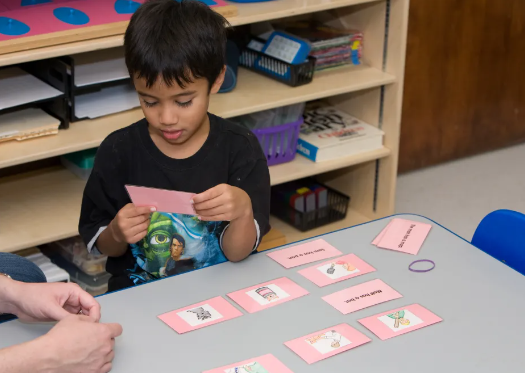
Reading is a fundamental skill that shapes a child’s learning journey. Montessori reading activities are designed to cultivate a love for reading while promoting independence and critical thinking. By using hands-on materials and interactive methods, children engage in reading in a way that feels natural and enjoyable.
1. Phonics with Sandpaper Letters
The Montessori method emphasizes tactile learning, and one of the most effective tools for teaching phonics is sandpaper letters. These letters feel rough to the touch, helping children to connect the sounds of letters with their shapes. When children trace the letters with their fingers, they create muscle memory, which assists in letter recognition and sound association.
To implement this activity, you can create a set of sandpaper letters by adhering sandpaper to cardboard cutouts of the alphabet. Encourage your child to say the phonetic sound of each letter as they trace it. This method not only helps with reading but also fosters fine motor skills and focus.
-
- Make a set of sandpaper letters.
-
- Use a variety of sounds (short and long) for letters.
-
- Encourage tracing while verbally expressing the sound.
-
- Integrate letter sounds into everyday conversations.
-
- Set a routine for daily tracing sessions.
2. Storytelling with Picture Cards
Picture cards can be a powerful tool for building literacy skills and fostering creativity. In the Montessori approach, these cards allow children to construct their own stories or narrate the sequence of events based on the images. This activity encourages imagination and helps build vocabulary as children explain their thoughts with words.
To create this activity, select a range of picture cards that represent diverse themes, such as animals, nature, and everyday objects. Allow your child to choose a set of cards and encourage them to tell a story based on the sequence and context of the images. This not only aids in reading comprehension but also enhances critical thinking as they formulate their narratives.
-
- Gather diverse picture cards for various themes.
-
- Encourage your child to create a visual story.
-
- Ask open-ended questions to stimulate creativity.
-
- Introduce new vocabulary during storytelling.
-
- Incorporate sequencing by arranging cards logically.
3. Reading Corner Setup
Creating a designated reading corner can have a significant impact on a child’s reading habits. A cozy, inviting space stocked with an array of books will encourage children to spend time reading independently. The environment should be comfortable and free from distractions, allowing children to focus on their reading material.
Make sure to rotate the books periodically to maintain interest and expose your child to a range of genres, including fiction, non-fiction, and poetry. Adding pillows, bean bags, or even a small table can make the space even more appealing. This dedicated corner serves as a sanctuary for your child, where they can explore literature at their own pace.
-
- Designate a specific area as the reading corner.
-
- Include a variety of books to spark interest.
-
- Add comfortable seating options (bean bags, cushions).
-
- Keep the space organized and clutter-free.
-
- Encourage quiet time for reading every day.
4. Letter and Word Games
Incorporating games into reading activities not only makes learning fun but also reinforces essential skills. Montessori-inspired letter and word games can be played using materials like alphabet magnets, letter blocks, or digital apps designed for literacy. These games can range from simple matching exercises to more complex spelling games.
For example, you could play a matching game where children match magnetic letters to corresponding pictures of objects or animals. This not only helps them recognize letters but also strengthens their vocabulary and comprehension as they identify words associated with images. Adapt the difficulty level based on your child’s progress for consistent engagement.
-
- Use magnetic letters to create words on a fridge or board.
-
- Incorporate fun gamified apps for learning letters.
-
- Set up a matching game with verbal prompts.
-
- Vary game types to maintain child’s interest.
-
- Encourage friendly competition for motivation.
5. Book Creation
Encouraging children to create their own books is an incredible way to promote literacy. This activity allows them to express their ideas creatively while practicing writing, drawing, and storytelling. By assembling their own books, children take ownership of the content they produce, increasing their motivation to read.
To start, give your child some blank pages and art supplies like stickers, crayons, and colored pencils. Ask them to come up with a theme for their book, whether it’s a story about their favorite animal or a collection of poems. Once they finish, dedicate a reading session to sharing their new creations, which can make them feel proud and confident in their reading abilities.
-
- Provide materials for creating DIY books.
-
- Set a theme or let them choose their own.
-
- Encourage illustration alongside text.
-
- Help them bind or staple the book together.
-
- Share and read each other’s creations.
Incorporating these Montessori reading activities into your child’s daily routine can significantly enhance their literacy skills while making learning enjoyable. Remember, the goal is to create a love for reading that lasts a lifetime. Start implementing these activities today and watch your child’s reading journey flourish!