
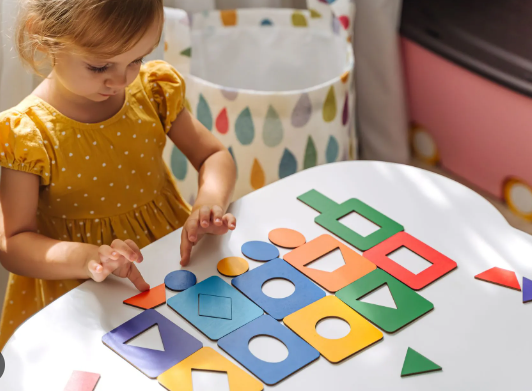
Montessori activities for 3-year-olds can ignite a love for learning while promoting independence and self-confidence. These activities are designed to engage young minds through hands-on experiences, allowing children to discover and understand the world around them.
1. Practical Life Skills
Practical life skills are vital in a Montessori environment as they foster fine motor skills and encourage independence. Activities such as pouring, sweeping, or buttoning clothes are not just tasks; they help children develop coordination, concentration, and a sense of responsibility. For example, setting up a pouring station with dry beans and cups invites children to practice pouring techniques and enhances their hand-eye coordination.
Additionally, simple tasks like preparing a snack can serve as an excellent opportunity to teach children about healthy eating and self-care. By involving them in these activities, you empower them to contribute meaningfully to household routines. With guidance, children flourish in their capabilities and grow in confidence.
-
- Set up a pouring station with different materials.
-
- Provide age-appropriate furniture that facilitates independence.
-
- Incorporate snack preparation into daily routines.
-
- Use real, non-breakable items for practical tasks.
-
- Give clear, step-by-step instructions and then step back.
2. Sensory Exploration
Sensory activities are vital for 3-year-olds as they explore textures, smells, and sounds. Using materials like sand, water, or playdough can provide enriched sensory experiences that promote cognitive and motor development. For instance, creating a sensory bin filled with rice, plastic animals, and scooping tools invites children to explore different textures while practicing their fine motor skills.
Additionally, incorporating natural materials like leaves, flowers, or stones can make sensory exploration even more captivating. Children learn to identify different colors and shapes while also developing their observational skills. They become more attuned to their environment and develop a curiosity that can last a lifetime.
-
- Set up a sensory bin using various textures like rice and beans.
-
- Encourage outdoor exploration with natural materials.
-
- Rotate sensory materials regularly to maintain interest.
-
- Provide appropriate tools, like scoops and tweezers, for manipulation.
-
- Discuss the sensory experiences with your child to enhance vocabulary.
3. Art and Creativity
Encouraging creativity through art is a cornerstone of Montessori education. Allowing 3-year-olds the freedom to use different mediums such as watercolors, crayons, and clay can enhance their imagination and creative expression. Simple activities like finger painting or collage making not only promote creativity but also help in developing fine motor skills and hand-eye coordination.
Art activities can also be opened up to include elements of nature, such as using leaves or flower petals to create art pieces. This not only inspires creativity but also integrates sensory learning. The focus should be on the process rather than the end product, allowing children the freedom to express themselves without fear of making mistakes.
-
- Provide a variety of art materials to encourage exploration.
-
- Let children choose the colors and materials they want to use.
-
- Focus on the process rather than the final outcome.
-
- Incorporate natural items into art projects for additional texture.
-
- Set up a designated art space for easy access.
4. Language Development Activities
Language development is crucial at this stage, and Montessori activities can significantly enhance vocabulary and communication skills. Engaging children in storytelling and singing songs or rhymes can make learning fun and interactive. For instance, using picture books to spark discussions generates excitement about language and promotes comprehension skills.
Additionally, vocabulary cards with images can help children associate words with objects. Simple matching games can build a child’s vocabulary while also fostering cognitive skills. Encouraging conversations about daily activities will further enhance their language skills as they learn to express themselves accurately.
-
- Read a variety of books together and discuss the stories.
-
- Introduce vocabulary cards and matching games.
-
- Encourage children to describe their thoughts and feelings.
-
- Sing songs and repeat rhymes to build language memory.
-
- Maintain a language-rich environment through conversations.
In conclusion, implementing Montessori activities for your 3-year-old can create a rich, engaging environment that fosters independence and curiosity. By embracing these activities, you pave the way for a lifelong love of learning in your child. Start small, choose activities that resonate, and watch as your child’s skills grow!