
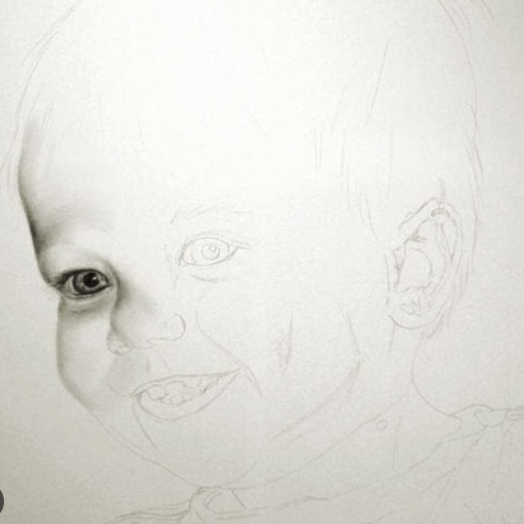
Mastering the Art of Portraying a Son: A Step-by-Step Guide
Drawing a son, whether it’s capturing the essence of a young boy or the bond shared between a father and son, can be a rewarding experience. This topic is relevant for artists looking to enhance their portrait skills and create meaningful representations of family connections. In this guide, we’ll explore techniques and tips that will make your portraits come alive.
Understanding Proportions and Features
One of the first steps in drawing a son is getting the proportions right. Children’s faces often have different proportions compared to adults. Start with basic shapes: the head can be represented as an oval, and the placement of eyes, nose, and mouth should reflect younger characteristics, such as a rounded face and bigger eyes. It’s crucial to study reference images or even observe a child in real life to understand these unique features. By practicing these proportions, you create a solid foundation for your artwork.
Conveying Emotions through Expressions
To truly capture the essence of a son, focus on facial expressions that convey emotion. A smile can light up a drawing, while a thoughtful look may evoke a different response. Pay attention to subtle details like the tilt of the head or the way the eyes shimmer with curiosity. Experimenting with different expressions can transform a simple drawing into a dynamic portrayal. Consider also the context—what is he thinking about? This narrative element can enhance your drawing significantly.
Incorporating Background and Context
The background plays an essential role in storytelling through portrait art. Consider adding elements that reflect the son’s personality or interests, such as toys, nature, or sports equipment. These details can give viewers a deeper understanding of who the boy is beyond just his appearance. Additionally, using color and shading can set the mood of your artwork, making it feel warm and inviting or vibrant and energetic. Be creative and think about how the background can complement the portrait itself.
In conclusion, mastering the art of portraying a son involves understanding proportions, conveying emotions, and incorporating meaningful backgrounds. By practicing these techniques, you can create engaging and heartfelt portraits. Don’t be afraid to explore various styles and ideas. Dive into your artistic journey, and you’ll see how rewarding capturing these precious moments can be. Happy drawing!