
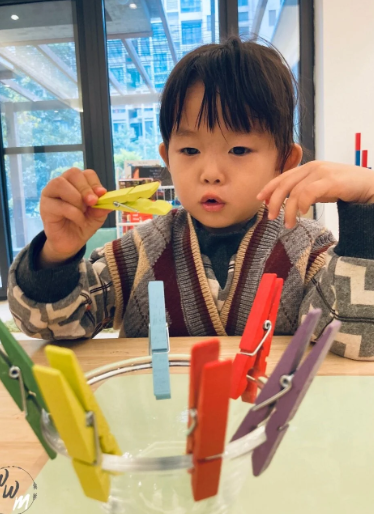
Montessori activities encourage exploration, independence, and hands-on learning, making them an excellent choice for young children. One versatile tool that is often overlooked in these activities is the humble clothespin. With a little creativity, clothespins can enhance motor skills, promote cognitive development, and provide endless fun.
1. Fine Motor Skills Development
Clothespin activities play an essential role in developing fine motor skills. When children use clothespins, they practice the pinching motion that strengthens the muscles in their fingers and hands. This skill is crucial for tasks such as writing, buttoning shirts, or zipping jackets. A simple activity could involve using clothespins to pick up various objects like pom-poms or small toys, which adds a layer of challenge and excitement.
Another engaging fine motor activity is the clothespin matching game. Set up a tray with different colors or shapes of clothespins and corresponding cards. As children match the clothespins to the cards, they will not only improve their pinching technique but also develop color recognition and shape identification skills. This dual-action approach fosters cognitive and physical development simultaneously.
-
- Use various objects to pick up with clothespins for more complex fine motor practice.
-
- Incorporate color or shape recognition in matching games.
-
- Encourage children to experiment with different sizes and weights of objects.
-
- Set up time challenges for added excitement and motivation.
2. Creative Expression and Crafting
Clothespins are not just for drying clothes; they can also be a medium for creative expression in crafting activities. Children can decorate clothespins with paint, markers, or even embellishments like sequins or stickers. This hands-on approach allows them to express their creativity while improving their coordination and focus. The decorated clothespins can then be used for various decor projects, such as hanging art on a wire or creating a photo display.
Another fun crafting idea is to turn clothespins into puppets. By attaching a small piece of fabric or construction paper to the clothespin, children can create characters for imaginative play. They can act out stories and scenarios, further enhancing their social skills and creativity. This activity promotes both artistic and narrative skills.
-
- Provide a variety of crafting materials for clothespin decoration.
-
- Encourage collaboration by having children work together on large crafts.
-
- Use finished products for role-playing or storytelling sessions.
-
- Rotate crafting themes to maintain freshness and inspiration.
3. Learning Through Counting and Sorting
Clothespins can be a practical tool for numeracy and sorting activities. You can create a counting game where children clip a clothespin onto the corresponding number of objects laid out before them. For instance, if there are three apples, the child should place three clothespins next to them. This concrete engagement with numbers helps reinforce early math concepts in a fun and interactive way.
Sorting activities can be equally enriching. Use clothespins to sort objects by size, color, or category. Children can clip the correct color clothespins onto the corresponding objects, which consolidates both their sorting and counting skills. You can take this further by introducing simple graphs where they can clip clothespins to indicate quantities, providing a visual representation of their findings.
-
- Prepare a variety of objects for counting and sorting activities.
-
- Incorporate themes like animals or seasons for engaging learning experiences.
-
- Explore primary and secondary colors during sorting activities.
-
- Use clothespins for tally marking in group activities.
4. Sensory Exploration
Engaging children in sensory exploration using clothespins can deepen their understanding of the world. Fill several trays with different textured materials, such as sand, rice, or fabric swatches. Then, encourage children to use clothespins to pick up or transfer the materials from one tray to another. This enhances their sensory awareness while improving hand-eye coordination.
Another sensory-rich activity is creating a “mystery box.” Fill a box with various items and have children use their hands to feel around and guess what the items are without looking. Clothespins can be used to label each item they identify correctly. This not only strengthens their sense of touch but also makes learning about vocabulary fun and engaging.
-
- Use different trays filled with varied textures and weights for exploration.
-
- Encourage open-ended questions about what they feel or identify.
-
- Rotate sensory materials regularly to maintain interest.
-
- Incorporate seasonal themes to create relevance in sensory play.
In conclusion, incorporating clothespins into Montessori activities opens up a world of learning opportunities. From developing fine motor skills to fostering creativity and sensory exploration, these simple tools can make a significant impact. Now is the perfect time to gather some clothespins and start integrating these activities into your routine!