
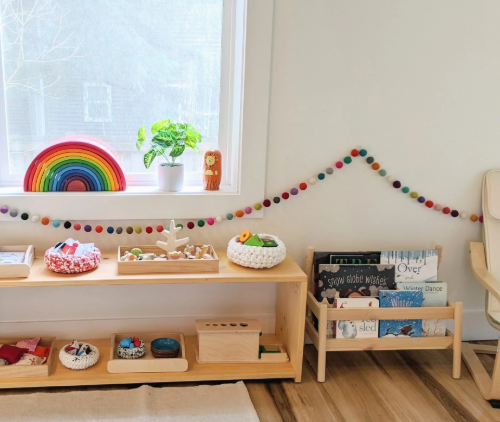
Low-cost Montessori activities provide an engaging and educational way for children to explore their world. By using everyday materials, caregivers can create enriching environments that foster creativity, independence, and a love for learning. Here, we’ll explore some practical ideas that you can implement right away.
1. Nature Scavenger Hunt
A nature scavenger hunt is a fantastic way to get children outdoors and involved with their environment. This simple yet enriching activity encourages observation skills, language development, and physical activity. You can create a checklist of items for kids to find, such as different types of leaves, rocks, or flowers. This not only makes for a motivational game but also promotes a deeper appreciation for nature.
To set up your scavenger hunt, take a walk with the children in your backyard or a local park. Equip them with a small bag or basket to collect their treasures. After the hunt, spend some time discussing what they found. This conversation can unfold their curiosity about nature and lead to exciting educational opportunities.
-
- Make a checklist with pictures for younger children.
-
- Encourage kids to describe each found item.
-
- Include a notebook for older kids to sketch what they see.
-
- Set time limits to make it more exciting.
-
- Have a picnic afterward to celebrate the adventure!
2. DIY Sensory Bins
Sensory bins are an integral part of Montessori learning, allowing children to explore textures, shapes, and even concepts like volume and capacity. Creating a sensory bin can be incredibly simple and cost-effective. You can use rice, beans, pasta, or sand as the primary base and add various tools and toys for exploration. For instance, include measuring cups, spoons, and small figurines or cars for added fun.
To set up your sensory bin, start with a shallow container and fill it with your chosen base material. Next, add in elements that correlate with a specific theme, such as ocean creatures, farm animals, or even a color theme. This not only makes it inviting but also strengthens thematic learning. Let the children dive in and explore; you might be amazed at how creative they can be!
-
- Use non-toxic materials for safety.
-
- Change the theme regularly to keep it fresh.
-
- Encourage kids to talk about what they’re doing.
-
- Consider adding tools for scooping and pouring.
-
- Monitor the activity to make sure it stays safe and tidy.
3. Homemade Sorting Games
To begin your sorting game, collect a variety of items and prepare containers or sections for sorting. Guide the children by talking them through the process of sorting and encouraging them to describe their choices. For younger children, make it a little more visual by offering colored paper or stickers that correspond with each category.
- Use a variety of items for diversity.
- Encourage different sorting criteria (size, color, type).
- Make it a friendly competition to see who can sort faster.
- Incorporate counting as they sort.
- Always follow up with a discussion about their sorting methods.
4. Water Play Stations
Water play offers endless opportunities for engaging sensory experiences and practical learning. Setup can be as simple as a bucket filled with water, some cups, and a few toys. Children love pouring, splashing, and experimenting, which helps develop fine motor skills and understanding of cause and effect, all while enjoying the sensations of water.
To create a water play station, choose a safe outdoor area or a kitchen sink for ease of cleanup. Incorporate various tools such as sponges, funnels, scoops, and measuring cups. You can also add toys like rubber ducks or floating balls for more visual interest. As they play, prompt them with questions about what they notice in regards to buoyancy or volume.
- Always supervise children during water play.
- Prepare towels for quick cleanup afterward.
- Change the temperature of the water for added sensory experience.
- Use containers of different sizes for measuring concepts.
- Encourage open-ended questions to enhance learning through conversation.
Incorporating low-cost Montessori activities at home allows for learning through play while fostering autonomy and curiosity in children. These easily set-up activities not only provide endless engagement but also serve to build essential skills for lifelong learning. Consider starting from one of these activities, or even combine them to create a rich and varied learning environment!