
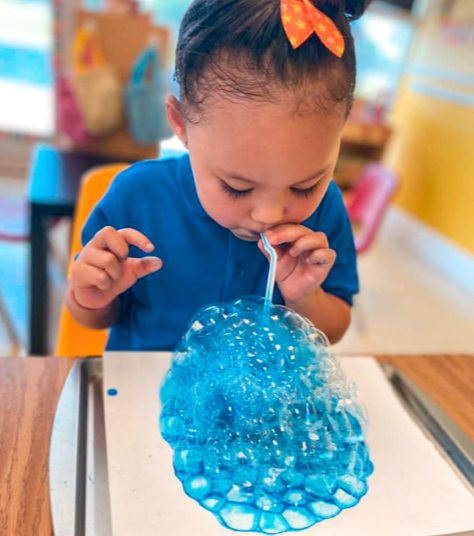
Rainy days can seem dull and unexciting, especially for children who are bursting with energy. However, Montessori activities provide engaging and educational ways to keep kids occupied indoors. Here’s a guide to some creative activities that not only entertain but also promote learning through exploration.
1. Nature Exploration with Indoor Scavenger Hunts
Even when stuck indoors, children can connect with nature through a scavenger hunt. Start by creating a list of natural items that can be found around your home. This could include twigs, leaves, stones, or even pictures of animals and plants. Encourage kids to explore different rooms and corners, searching for items that match your list. The sensory experience of handling various textures and observing shapes stimulates children’s cognitive skills and enhances their appreciation for nature.
In addition to finding items, you can incorporate learning by discussing their characteristics. For instance, talk about the types of trees leaves come from or the textures of rocks. This will deepen their understanding of their surroundings. A scavenger hunt is not only fun but also lays the foundation for observational skills and critical thinking.
-
- Create a list with pictures for younger children.
-
- Set up categories (color, size, texture) for older kids.
-
- Provide magnifying glasses for close-up inspections.
-
- Encourage drawing or journaling about discovered items.
-
- Use timers for an extra challenge.
2. DIY Sensory Bins for Hands-On Learning
Sensory bins are a wonderful way to engage children’s senses and creativity. These bins can be filled with various materials such as rice, beans, or sand, offering opportunities for tactile exploration. You can incorporate seasonal themes or subjects your child is interested in, like a farm theme with animal figures or a space theme with small rockets and stars. Free play encourages creativity and problem-solving, allowing kids to manipulate the materials as they please.
Add in tools like scoops, cups, or trucks to further enhance motor skills. Encourage your child to transfer materials from one container to another, promoting coordination and fine motor skills. As they play, join in the fun and ask open-ended questions to boost their vocabulary and critical thinking abilities, making this a wonderful family bonding activity as well.
-
- Choose safe, non-toxic materials for younger children.
-
- Include various textures and colors for sensory variety.
-
- Rotate materials to keep the activity fresh and exciting.
-
- Encourage storytelling based on the items in the bin.
-
- Supervise closely if using small objects to avoid choking hazards.
3. Creative Arts and Crafts Using Recyclables
Before tossing out old boxes or bottles, think creatively about how these items can be transformed into works of art. Letting children use recyclable materials fosters creativity and promotes environmental awareness. Set up an arts and crafts station where kids can create sculptures, collages, or even wearable art using paper, caps, or cardboard. This not only allows for self-expression but also helps develop fine motor skills as they cut, glue, and assemble their masterpieces.
To extend the activity, have children explain their creations and what inspired them, promoting communication skills and confidence. You could even set up a mini art gallery at home where they display their works. This makes for a fun family event and encourages appreciation for artistic efforts, teaching kids about constructive feedback and building self-esteem.
-
- Gather assorted recyclable materials in advance.
-
- Provide a variety of art supplies (glue, markers, scissors).
-
- Encourage collaborative projects for teamwork skills.
-
- Incorporate themes (underwater, outer space) for focus.
-
- Create an end-of-day art show to celebrate their work.
4. Indoor Gardening: Sprouting Seeds
Gardening might seem like an outdoor chore, but it can easily be transformed into an indoor educational activity. Choose fast-growing seeds such as beans or sunflower seeds for quick results. Use clear containers so children can observe the growth process. This hands-on activity not only teaches kids about plants but provides opportunities for lessons in responsibility as they take care of their seedlings.
As they watch their plants grow, engage them in discussions about the life cycle of plants and what each part of the plant does. Incorporate math by teaching measurements for watering or spacing. A growing garden also presents a great opportunity to discuss nutrition and the importance of healthy eating once the plants mature.
-
- Select easy-to-grow seeds for a higher success rate.
-
- Teach kids how to measure water and light requirements.
-
- Use a journal to track growth and changes each week.
-
- Incorporate discussions about environmental impact.
-
- Consider transferring plants outdoors when ready.
Rainy days don’t have to be dull. With these engaging Montessori activities, children can explore their creativity, enhance their skills, and develop a love for learning—all from the comfort of home. So grab your supplies, and turn a gloomy day into an exciting adventure!