
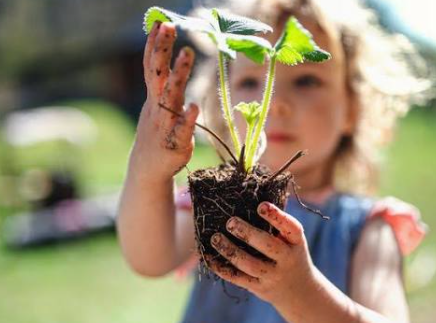
Montessori education emphasizes hands-on learning, encouraging children to explore their environment and develop a sense of independence. One engaging way to integrate these principles at home is through garden activities. Not only do these activities provide a connection to nature, but they also foster important skills such as responsibility, observation, and teamwork.
1. Planting Seeds and Understanding Growth
Planting seeds is a fundamental activity in Montessori gardening. Children can learn about the life cycle of plants while gaining practical skills. Choose seeds that are easy to grow, such as beans, sunflowers, or zinnias. Provide each child with a small pot, soil, and water. Encourage them to fill their pots with soil, create a small hole for the seeds, bury them gently, and water them with care. This hands-on approach helps reinforce lessons about responsibility and patience.
As children tend to their seedlings, create a growth chart together. They can document daily changes, noting anything from sprout height to number of leaves. This not only instills a sense of ownership but also enhances their observation and recording skills. Encourage discussions about what makes plants grow, touching upon sunlight, water, and soil quality.
-
- Choose suitable seeds for your climate and season.
-
- Provide kid-friendly tools for planting.
-
- Encourage daily observation and journaling.
-
- Water the plants together and discuss their needs.
2. Building a Butterfly Garden
Creating a butterfly garden is a delightful way for children to learn about ecosystems and the importance of pollinators. Start by researching plants that attract butterflies, like milkweed, coneflower, and butterfly bush. Let kids help design the layout of the garden, emphasizing the importance of plant placement for maximizing sun and accessibility. This is a wonderful opportunity to discuss biodiversity and connectedness in nature.
Once the garden is planted, set up a simple observation station. Use a notepad to record the types of butterflies that visit, reinforcing the scientific method of hypothesis and observation. Kids can make drawings of the butterflies or write brief descriptions. This activity not only enhances their understanding of nature but also fosters creativity and critical thinking.
-
- Involve children in choosing butterfly-friendly plants.
-
- Teach them about the life cycle of butterflies.
-
- Create a logbook for observations.
-
- Encourage them to draw or document their observations.
3. Nature Crafts and Sensory Play
One of the most enjoyable aspects of the Montessori method is integrating different learning modalities. Nature crafts can be a fun way to combine art and nature. Collect items from the garden such as leaves, flowers, and seeds. Encourage children to create nature collages or press flowers between sheets of paper. This activity can significantly enhance their sensory exploration and creativity.
Additionally, sensory play can include activities like making mud pies, flower crowns, or herb sachets. These activities foster fine motor skills, cognition, and social skills as children collaborate and engage with one another. It’s a chance to discuss textures, colors, and even scents, making it a rich educational experience.
-
- Gather materials from your garden for crafts.
-
- Encourage creative expression through nature.
-
- Discuss the sensory aspects of each material.
-
- Facilitate collaborative projects with peers.
4. Harvesting and Cooking Together
After nurturing plants throughout their growth cycle, it’s time to harvest! This exciting phase teaches children about the rewards of hard work, alongside nutritional lessons. Involve your kids in everything from picking ripe vegetables to washing and preparing them for meals. Talk to them about healthy eating habits, explaining the nutritional benefits of the foods they’ve grown. This can foster a lifelong appreciation for fresh produce.
Cooking with home-grown produce can be a delightful and educational experience. Simple recipes such as vegetable stir-fry or salads allow children to participate actively. Encourage them to make choices about seasoning and presentation, enhancing their decision-making skills. This connection to food helps reinforce lessons about gardening, nutrition, and the sources of our meals.
-
- Teach children the importance of harvesting responsibly.
-
- Include them in prep and cooking tasks.
-
- Discuss the nutritional value of each ingredient.
-
- Encourage them to share their cooking experience with family.
Engaging your children in Montessori garden activities not only enhances their education but also strengthens your family bond through shared experiences. By helping them connect with nature, you instill valuable life skills while fostering curiosity and creativity. So, gather some seeds and tools, and embark on this enriching journey today!