
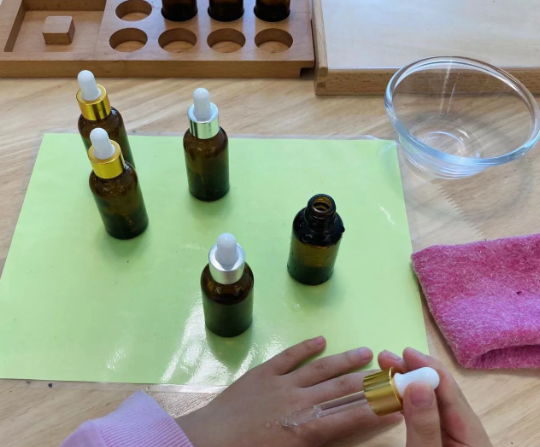
The Montessori approach to education emphasizes hands-on learning and self-directed activities, making it ideal for nurturing preschoolers’ natural curiosity. One engaging aspect of this philosophy is taste activities, which can help children explore their senses while learning about different flavors. Here, we will delve into some exciting Montessori taste activities that can enhance your preschooler’s culinary adventure.
1. Sensory Taste Testing
One of the best ways to introduce children to the world of flavors is through sensory taste testing. This activity allows preschoolers to experience a variety of tastes—sweet, salty, sour, and bitter. You can set up a taste-testing station with small portions of foods representing each taste category, such as chocolate (sweet), pretzels (salty), lemon slices (sour), and dark chocolate (bitter). Encourage children to describe how each food makes them feel and what memories it evokes.
During this activity, it’s important to create a relaxed environment. Make it a fun event by allowing children to guess the flavors before revealing them. Ask guiding questions like, “What do you think this tastes like? How does it feel in your mouth?” This encourages vocabulary development and critical thinking. As a bonus, you could have a chart where they can mark their favorite and least favorite tastes.
-
- Gather a variety of foods representing different taste categories.
-
- Prepare a comfortable space for children to sit and taste.
-
- Provide tasting utensils such as small spoons or skewers.
-
- Encourage children to describe their experience verbally.
-
- Create a simple chart or graph for children to record their favorites.
2. Flavor Exploration through Cooking
Cooking activities serve as a fantastic platform for preschoolers to learn about flavors while enhancing their fine motor skills. Choose simple recipes, such as fruit smoothies or vegetable stir-fries, that allow kids to participate in measuring, mixing, and tasting each ingredient. This not only keeps them engaged but also helps them understand how different flavors work together.
While cooking, encourage conversation about the flavors of each ingredient. For example, while chopping fruits, ask questions like, “What does this fruit taste like?” or “How does the flavor change when we add more ingredients?” Such discussions foster communication skills and deepen their understanding of taste concepts. Involving children in cooking also gives them a sense of accomplishment when they enjoy the meal they’ve created!
-
- Select easy-to-follow recipes that require minimal adult supervision.
-
- Use fresh, colorful ingredients to make the activity visually appealing.
-
- Discuss each ingredient’s flavor profile before cooking.
-
- Allow kids to help with age-appropriate tasks, such as mixing.
-
- Encourage children to taste as they cook to explore flavors in real-time.
3. Flavor Matching Games
Flavor matching games can be both fun and educational for preschoolers. Create a set of cards with images or actual samples of different foods, focusing on their flavors. For example, one card could feature an apple, while another showcases an apple pie. Children can match foods that share similar flavors, accentuating the relationship between raw and cooked items.
As they play this game, ask questions that prompt critical thinking, such as, “Can you find two foods that taste sweet?” or “Which foods would you combine for a delicious snack?” This not only encourages sensory discovery but also strengthens their memory and problem-solving skills. You can turn this into a team game, promoting collaboration and social interaction among peers.
-
- Create a set of flavor cards with matching items.
-
- Use real food samples for a sensory experience.
-
- Encourage group play to foster teamwork.
-
- Incorporate storytelling by discussing the origin of each food.
-
- Keep the atmosphere light and playful to enhance engagement.
Incorporating taste activities into your preschooler’s routine not only enhances their understanding of flavors but also ignites their passion for cooking and exploring new foods. The Montessori method thrives on engaged learning and discovery, making these activities perfect for fostering creativity and curiosity in young learners.
Encourage your preschooler to try these activities today! Each tasting session or cooking adventure can become an exciting lesson that deepens their appreciation for food and flavors. Let’s embark on a delightful culinary journey together!