
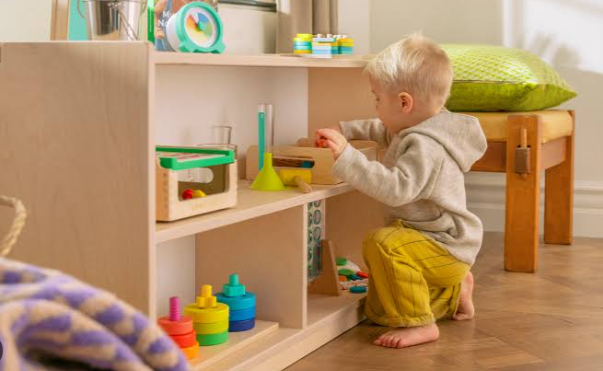
Montessori activities can be an enriching way to foster independence, creativity, and learning in children, even in small spaces. Embracing the Montessori method doesn’t necessitate a large playroom; instead, it encourages utilizing the environment effectively. This blog post will explore engaging Montessori activities that can thrive in limited areas.
1. Practical Life Activities
Practical life activities are core components of Montessori education, teaching children essential skills and building their confidence. In small spaces, you can set up a dedicated practical life area. Simple tasks like pouring, scooping, or sorting can be done using containers from your kitchen or repurposed items. For instance, using small bowls to transfer pasta or beans develops fine motor skills while keeping the activity contained and easy to clean.
Additionally, training your child with everyday tasks, such as folding napkins or washing vegetables, can be done on a small table or counter. This not only fosters independence but also integrates household responsibilities into a fun learning experience. Keeping tools accessible allows kids to engage independently; a small shelf can hold necessary items out of reach until they are needed.
-
- Set up a small table or kitchen island as a practical life zone.
-
- Use household items like bowls, containers, and cloths to create activities.
-
- Rotate activities regularly to maintain interest.
-
- Encourage children to participate in daily chores.
2. Sensory Play Stations
Sensory play is fundamental in Montessori education, as it allows children to explore textures, sounds, and movements. You can create simple sensory play stations that fit within your small space. For example, a bin filled with rice, sand, or water beads can provide hours of exploration. These materials can be kept in airtight containers when not in use, making them easy to tidy up after playtime.
In small areas, consider introducing portable sensory bags. For instance, zippered bags filled with various textured materials can be offered for hands-on exploration. These bags are easily stored and can be taken wherever you go, allowing for sensory experiences in transport. Even simple activities like exploring a garden or a park can serve as effective sensory experiences.
-
- Designate a spot for sensory play items—keep them accessible yet contained.
-
- Utilize bins or containers for easy setup and cleanup.
-
- Incorporate everyday items for sensory exploration.
-
- Rotate sensory materials to keep activities fresh.
3. Creative Art and Craft Activities
Art and craft activities are vital for children’s creative expression, and they can be adapted for small spaces. Use vertical space creatively, like wall-mounted pegboards or shelves, to store art supplies. A simple art station can be set up on a small table and include essential tools like paper, crayons, and stickers, making it easy for little hands to engage in creativity when the mood strikes.
Moreover, consider implementing projects that require minimal cleanup and space. For instance, activities involving nature, such as leaf rubbing or rock painting, encourage outdoor learning while keeping indoor mess at bay. Utilizing recycled materials for crafts can also bring eco-friendly practices into the learning process, demonstrating creativity without the need for extensive supplies.
-
- Set up a compact art station with essential supplies.
-
- Use wall space for hanging artwork or storing materials.
-
- Encourage nature-based crafts to minimize indoor mess.
-
- Incorporate recycled materials into creative projects.
4. Movement and Gross Motor Activities
Physical movement is essential in a child’s development, and it should not be overlooked in small spaces. Creative movement can be facilitated by incorporating activities that require minimal space, such as obstacle courses using household items like pillows, chairs, or blankets. This setup can create a dynamic play environment that encourages physical activity without taking up much room.
Additionally, dance, yoga, or simple stretching exercises can also be featured in confined spaces. Using online resources or videos tailored to children’s fitness can introduce fun movement routines that keep them active and engaged. Remember, even a small clear area on the floor is sufficient for mini dance parties or stretching sessions.
-
- Create an indoor obstacle course with available furniture.
-
- Incorporate dance or yoga sessions for movement breaks.
-
- Encourage active playtime with music and guided activities.
-
- Use clear floor areas for play to ensure safety.
By implementing these Montessori activities tailored for small spaces, you can create a rich and engaging learning environment that promotes independence and creativity. Each activity can be adapted to suit your child’s interests and developmental level, making learning an enjoyable experience. Start exploring these activities today to provide meaningful experiences for your child!